Our export process, step by step from inquiry to bill of lading
Our export process turns one clear inquiry into a loaded container at Douala or Kribi. It runs in six steps, with an agreed specification, payment security set in the contract and inspection before loading.
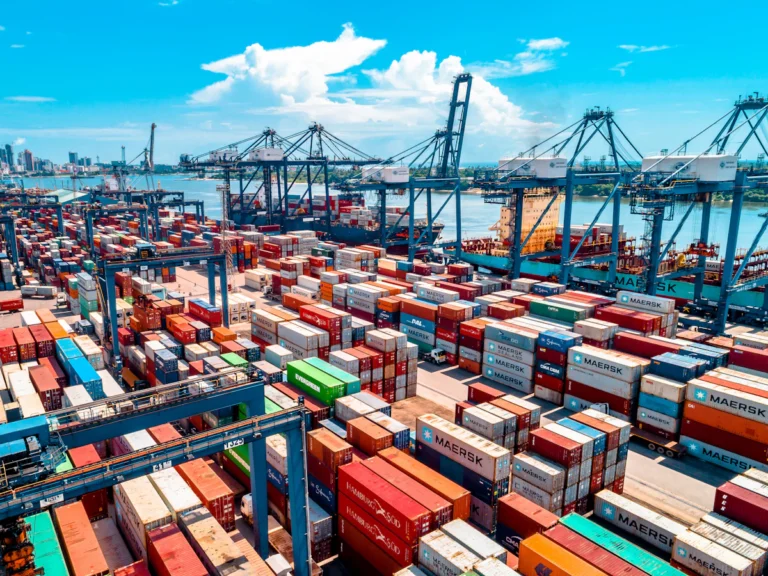
Our export process takes you from a first inquiry to a loaded container at Douala or Kribi in six clear steps. BV Holdings Agro is the agricultural trading and export subsidiary of BV Holdings PLC, based in Yaoundé, Cameroon. We sell to importers, commodity trading houses and food manufacturers, in container loads only.
Every step has a clear owner. You send the inquiry, and we send the offer and sample. Then we both sign the contract. Next, you arrange the payment security, while we prepare and inspect the goods. Finally, we ship and release the documents under the agreed payment terms.
This page explains each step in depth. It also covers Incoterms, payment security, the document set and the stages a shipment moves through. As a result, you will know what to send, what to expect and where delays tend to come from.
The export process at a glance
Here is the whole export process on one table. Each row shows who acts, what happens and what you hold at the end of the step.
| Step | Who acts | What happens | What you hold at the end |
|---|---|---|---|
| 1. Inquiry | You send | Product, grade, volume, destination and Incoterm | A clear request on our desk |
| 2. Offer and sample | We send | Written offer, typical specification and a sample where relevant | An offer you can test and compare |
| 3. Contract | Both sign | Spec, price, Incoterm, payment terms, inspection method, shipment window | A signed sales contract |
| 4. Payment security | You arrange | Letter of credit, documentary collection or other terms in the contract | Payment security in place |
| 5. Preparation and inspection | We prepare | Cleaning, sorting, bagging, testing, inspection and fumigation where required | Inspection results for your lot |
| 6. Shipment and documents | We ship | Loading at Douala or Kribi; documents released per payment terms | Bill of lading and the full document set |
The steps run in order, and each one builds on the last. For this reason, a gap early on, such as a vague inquiry, tends to slow every later step.
Step 1 of the export process: your inquiry
The export process starts with you. A good inquiry is short, but it answers the questions we need to price a lot. In short, the more exact you are, the more exact our offer can be.
Please include these points:
- Product and grade. For example, Grade I cocoa beans, Robusta screen 16 or natural white sesame.
- Volume. The number of 20ft or 40ft containers, and whether you want one lot or a series.
- Destination port. We need it for CFR and CIF offers.
- Incoterm. FOB, CFR or CIF.
- Packing. Bag type, net weight per bag and any marks you need.
- Tests and limits. For example, an aflatoxin limit, pesticide residue limits or a lab you prefer.
- Shipment window. The month or period you have in mind.
You can send all of this through our request a quote form. Not sure what we sell? Then start with the full commodity list, which covers nine product categories.
What we cannot quote
We do not sell retail quantities, roasted coffee or ground spice blends. We also do not supply certified lots we cannot document. So if an inquiry asks for any of these, we will say so early and save you time.

Step 2: offer and sample
Once we have your inquiry, the second step of the export process begins. We check what is available in the producing regions. We buy from producer groups and aggregators, then consolidate lots for export. Therefore, the offer reflects real supply, not a guess.
A written offer usually covers:
- The product, grade and typical specification
- Price on your chosen Incoterm, valid for a stated period
- Packing and approximate quantity per container
- Loading port, Douala or Kribi
- The proposed inspection method and the documents we provide
- A likely shipment window, which depends on the crop and the season
Where relevant, we also send a sample. A sample lets your lab or buyer test the product before you commit. For example, a chocolate maker may run a cut test on cocoa beans, while a roaster may cup green coffee. Sample terms, such as courier cost, are agreed case by case.
Prices follow world markets, the crop and freight. For this reason, we never publish prices on the site. Instead, every price sits in a written offer for a defined lot.
Step 3: the contract
When the offer and sample suit you, we move to a written sales contract. Both parties sign it. The contract is the core of the export process, because it fixes what both sides must deliver.
Our contracts set out these terms:
- Specification. The grade and limits for moisture, defects, foreign matter and any lab tests.
- Price. The agreed price and the Incoterm it applies to.
- Payment terms. The payment method and when payment falls due.
- Inspection method. Who inspects, where and when, and whose results are final.
- Shipment window. The period in which the goods are to be loaded.
- Documents. The list of documents that will travel with the cargo.
Some buyers ask for terms from trade body forms they already use. That is fine to discuss. Either way, the specification and inspection method should be agreed in writing before any money moves.
Step 4: payment security in the export process
In this step of the export process, you arrange payment security, under the method set in the contract. Payment terms are always agreed per contract. We do not publish standard terms, because the right method depends on the lot, the buyer and the market.
Here, in general terms, are the methods most often used in commodity trade:
Letter of credit
A letter of credit is a bank’s promise to pay the seller once the seller presents documents that match the credit. Your bank issues it, and a bank in Cameroon may advise or confirm it. Because payment depends on documents, every date, weight and description must match exactly. So we review the draft credit with you before it is issued.
Documentary collection
Under a documentary collection, banks pass the shipping documents from seller to buyer. The buyer gets the documents, and with them control of the goods, on payment or on accepting a bill of exchange. It is simpler and often cheaper than a letter of credit. However, the banks do not promise payment themselves.
Other agreed terms
Other structures are possible where both sides agree them in the contract. In short, the method is a business decision for each deal. What matters is that it is written down, clear and in place before loading starts.
Banks apply international rules to these methods, such as the ICC rules for documentary credits and collections. Your bank can explain how they apply to your account.
Step 5: preparation and inspection
While payment security is being arranged, we prepare your lot. This stage of the export process follows our five quality checkpoints. You can read the full detail on our quality and sourcing page.
- Buy in region. We buy from producer groups and aggregators in the producing regions.
- Dry and store. Goods are dried to target moisture and stored off the ground in covered warehouses.
- Sample and test. We sample the lot and test it against the contract specification.
- Clean, sort and pack. The lot is cleaned, sorted and packed in new export-marked bags with a lot number.
- Inspect and load. An independent inspection takes place, with fumigation where required, before loading at Douala or Kribi.
The tests depend on the product. For example, we check moisture and foreign matter on all lots. Cocoa gets a cut test, coffee gets screen and defect counts, and maize and grains get aflatoxin tests against destination limits. Oil and free fatty acids on sesame are tested on request.
You may nominate an inspection company, such as SGS, Bureau Veritas, Intertek or Cotecna. In addition, cocoa and coffee export lots are subject to quality control by Cameroon’s National Cocoa and Coffee Board (ONCC).
Step 6: shipment and documents
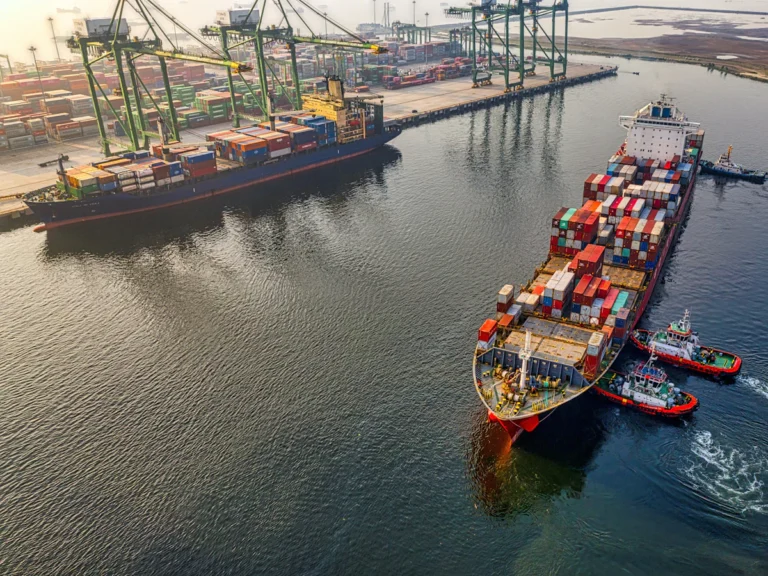
Once the lot passes inspection, the final step of the export process begins. The lot is loaded into containers and shipped from Douala or Kribi. Then the shipping line issues the bill of lading. Documents are released under the payment terms in the contract.
The document set usually includes:
- Commercial invoice and packing list
- Bill of lading
- Phytosanitary certificate (MINADER plant protection)
- Certificate of origin
- Weight and quality certificate from the agreed inspection company
- Fumigation certificate, where required
- ONCC export quality certificate, for cocoa and coffee
- Lab reports, such as aflatoxin, pesticide residue, microbiological or oil content, where agreed
Each document has its own issuer and purpose. Our documents and compliance page explains them one by one, along with buyer-market rules such as EU residue limits.
Incoterms in our export process: FOB, CFR and CIF
We quote on three Incoterms, and the choice shapes the whole export process. Each one sets where costs and risk pass from us to you. The rules are published by the International Chamber of Commerce.
| Incoterm | Named place | We arrange and pay | Risk passes to you |
|---|---|---|---|
| FOB (Free On Board) | Douala or Kribi | Export clearance and loading on board | When goods are on board at the port of loading |
| CFR (Cost and Freight) | Your destination port | As FOB, plus sea freight to your port | When goods are on board at the port of loading |
| CIF (Cost, Insurance and Freight) | Your destination port | As CFR, plus minimum cargo insurance | When goods are on board at the port of loading |
Note one point that often surprises new buyers. Under CFR and CIF, we pay freight to your port, yet risk still passes at loading. So under CFR you may want your own cargo insurance. Under CIF, we buy minimum cover, and you can ask for wider cover in the contract.
Which Incoterm should you choose?
- Choose FOB if you have your own freight rates or a forwarder who books your cargo.
- Pick CFR if you want one price to your port but prefer to insure the cargo yourself.
- Go for CIF if you want freight and basic insurance in one price, which is common with letters of credit.
For a longer comparison, see our guide to FOB vs CIF.
Export process timeline: stages, not promises
Buyers often ask how long the export process takes. The honest answer is that it depends on the crop, the season, the paperwork and the shipping lines. So we describe the stages and what drives each one, and we confirm a shipment window in the contract.
| Stage | What drives the time | How you can help |
|---|---|---|
| Inquiry to offer | Supply in the regions and how complete the inquiry is | Send grade, volume, port and Incoterm up front |
| Offer to contract | Sample transit, your lab tests and contract review | Agree the spec and inspection method early |
| Contract to payment security | Your bank’s process and draft review | Share the draft credit or collection terms before issue |
| Preparation and inspection | Crop timing, drying, testing and inspector schedules | Name your inspection company at contract stage |
| Loading and sailing | Container supply, port slots and vessel schedules | Confirm the shipment window and booking details |
| Document release | Certificate issue and the agreed payment terms | Check document wording against your bank’s needs |
Seasons matter a great deal. For example, the cocoa main crop runs from about September to February, while Robusta coffee is harvested from about November to February. Our Cameroon harvest calendar shows the main windows for each crop.
How to keep the export process moving
Most delays come from a few common gaps. Here are quick picks that keep a shipment on track:
- Match the documents to the credit. Under a letter of credit, one wrong word can hold up payment.
- Agree the inspection method in writing. State who inspects, where and whose results are final.
- Know your import rules. Check your country’s limits for residues, aflatoxin and fumigation before you sign.
- Plan around the crop. Asking for new crop before harvest means waiting for it.
- Keep one contact person. One named person on each side makes questions faster to settle.
New to sourcing from West Africa? Our guide on how to import from Cameroon covers the basics, from HS codes to customs at your end.
Products that follow this export process
The same six steps apply to every product we sell. The tests, packing and documents change, but the export process stays the same. For example:
- Cameroon cocoa beans, in jute bags, with an ONCC export quality certificate
- Green Robusta coffee, graded by screen size and defects
- Sesame seeds, with oil and free fatty acid tests on request
- Yellow maize, tested for aflatoxin against your destination limit
- Natural rubber and other industrial raw materials
Cocoa derivatives, such as powder, butter and liquor, are made by our cocoa division, BV Cocoa Products.
Why buyers choose our export process
- Six clear steps. You always know who acts next in the export process.
- Written terms. Spec, price, payment and inspection are fixed in the contract.
- Checks before loading. Five quality checkpoints, with independent inspection on your terms.
- Full document set. From phytosanitary certificate to bill of lading.
- Group backing. We are part of BV Holdings PLC, which sets group governance, finance and compliance.
Export process FAQ
How many steps are in your export process?
There are six steps. First, you send an inquiry. Then we send an offer and, where relevant, a sample. Next, we both sign a contract. After that, you arrange payment security, and we prepare and inspect the goods. Finally, we ship from Douala or Kribi and release the documents under the agreed payment terms.
What is the minimum order?
We sell in container loads only, from one 20ft container. Offers are priced per 20ft or 40ft container. We do not supply retail or small-bag quantities. If you need several containers, tell us whether you want one lot or a series of shipments, because that changes how we plan supply across the season.
Which payment methods do you accept?
Payment terms are agreed per contract. Common options in commodity trade include a letter of credit, documentary collection or other terms both sides agree. We do not publish standard terms, because the right method depends on the lot, the buyer and the market. In every case, the method is written into the contract before loading.
Can I inspect the goods during the export process?
Yes. Independent third-party inspection can be arranged at your request. You may nominate a company such as SGS, Bureau Veritas, Intertek or Cotecna. The contract states who inspects, where and when, and whose results are final. In addition, cocoa and coffee export lots are subject to quality control by the ONCC.
Do you send samples before the contract?
Yes, where relevant. A sample lets your lab or end buyer test the product before you commit. For example, you might run a cut test on cocoa beans or check moisture on maize. Sample terms, such as courier costs, are agreed case by case when we send the offer.
Which Incoterms does the export process use?
We quote FOB Douala or Kribi, CFR to your destination port, or CIF to your destination port with minimum cargo insurance. Under all three, risk passes to you once the goods are on board at the port of loading. Under CFR and CIF, we also arrange and pay the sea freight.
How long does the export process take?
It depends on the crop, the season, inspection schedules, your bank and the shipping lines. So we do not quote fixed lead times on the site. Instead, we describe each stage and agree a shipment window in the contract. A complete inquiry and early agreement on inspection help every stage move faster.
Which documents come with the shipment?
The set usually includes a commercial invoice, packing list, bill of lading, phytosanitary certificate, certificate of origin, and a weight and quality certificate. Where required, there is also a fumigation certificate. Cocoa and coffee carry an ONCC export quality certificate. Lab reports, such as aflatoxin or pesticide residue, are added where agreed.

One arm of BV Holdings PLC
BV Holdings Agro is the agricultural export company of BV Holdings PLC, alongside BV Cocoa Products and BV Metal & Minerals.
Start your export process
Send the product, grade, volume, port and Incoterm, and we will reply with a written offer.