Cameroon Rice Bran exported to your specification
BV Holdings Agro supplies Cameroon rice bran as an energy and fibre ingredient for animal feed. We check moisture and free fatty acid before every loading.
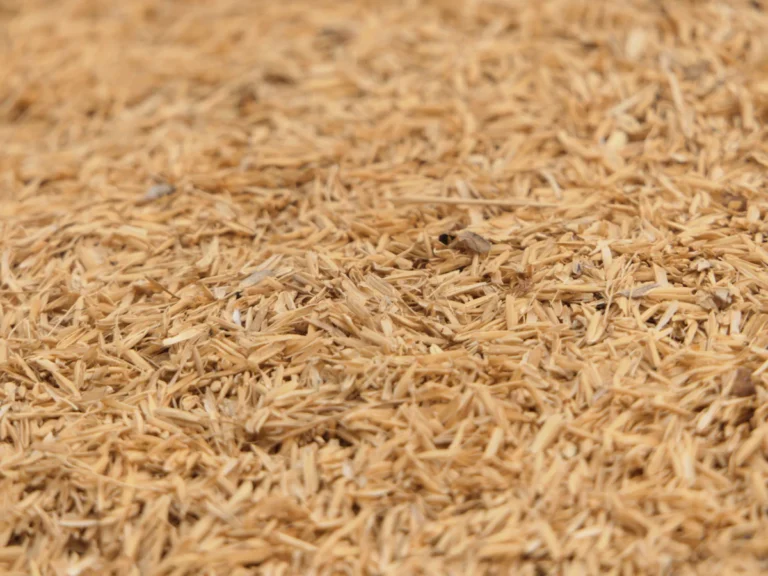
BV Holdings Agro supplies Cameroon rice bran as an energy and fibre ingredient for animal feed, in full container loads. Rice bran is the brown outer layer that mills remove when they polish brown rice into white rice. Our bran comes from rice areas in the Far North, North and North-West regions, such as the Logone plains and the Ndop plain.
Fresh bran is rich in oil, but that oil turns rancid fast. Therefore, we time collection and loading closely, and we check free fatty acid (FFA) before the container leaves. In addition, an independent surveyor can confirm the results at your request.
This page explains where the bran comes from, typical specs, grades, testing, uses, packing, documents and pricing. We load at Douala or Kribi on FOB, CFR or CIF terms.
Where Cameroon rice bran comes from
Cameroon rice bran comes from mills in the country’s main rice zones. In the Far North, irrigated schemes on the Logone plains grow rice on a large scale. Meanwhile, the North-West has a long rice tradition on the Ndop plain. Smaller areas in the North region add more paddy to the mix.
Irrigation allows more than one crop a year in some schemes, while rain-fed rice gives one main harvest. As a result, milling runs through much of the year, but output peaks after each harvest. Our Cameroon harvest calendar shows how these seasons line up with other crops.
How mills produce bran
Milling starts with paddy, which is rice still in its husk. First, the huller removes the husk to give brown rice. Then the whitening and polishing stages rub off the bran layer and the germ. That fine, oily powder is rice bran.
Bran makes up only a small share of the grain by weight. However, it holds most of the grain’s oil, plus much of its vitamins and minerals. So a mill turning out white rice also turns out a steady stream of useful feed.
Local demand and availability
Cameroon consumes much of its own rice, and local farms also use bran in feed. Therefore, export volumes depend on the season, mill output and local demand. We confirm availability of Cameroon rice bran with each inquiry, rather than promise fixed tonnage. For larger programmes, it helps to plan purchases around the main milling peaks.
Typical specification of Cameroon rice bran
These values are typical for full-fat rice bran, so treat them as a guide. Lots differ by mill, so each offer states the limits for that lot. Rice bran falls under HS 2302.40 in the WCO Harmonized System.
| Parameter | Cameroon rice bran: typical value |
|---|---|
| HS code | 2302.40 |
| Type | Full-fat rice bran |
| Crude protein | 11% to 14% |
| Crude fat | 12% to 18% |
| Crude fibre | 8% to 12% |
| Moisture | 12% max. |
| Ash | 10% max. |
| Rice husk | 5% max. |
| Free fatty acid (in oil) | Limit at loading, agreed per contract |
| Aflatoxin | To your limit; tested on request |
Final specifications are confirmed in each contract and verified before loading.
Fat and husk content are the two numbers that tell you most about a lot. High fat means more energy and a purer bran. High husk, by contrast, means more fibre and silica, which lowers feed value.
Grades of Cameroon rice bran and how to choose
Rice bran comes in a few forms, and each one suits a different buyer. So the right choice depends on your species, your formula and how long you will store the bran.
- Full-fat bran: fresh bran straight from the mill, high in oil and energy. This is our main offer.
- De-oiled rice bran: bran after oil extraction, with more protein and fibre but little fat. Supply depends on local mills, so please ask first.
- Bran with husk: lower-grade bran mixed with ground husk from simple mills. It suits ruminants better than poultry.
Poultry and pig buyers usually want low-husk, full-fat bran with low FFA. Cattle buyers, however, can accept more fibre, so they have a wider choice. Meanwhile, buyers who plan to extract oil need the freshest, lowest-FFA bran they can get.
When you compare offers for Cameroon rice bran, ask four questions. First, what is the fat and husk content? Second, what is the FFA at loading? Third, how long since milling? Finally, which tests come with the shipment?
Quality control and testing before loading
We check every lot against the contract before it moves to port. Our process follows five steps: buy in region, dry and store, sample and test, clean and pack, then inspect and load. The full method is on our quality control page.
What we check on each lot
- Moisture: we use a calibrated meter, because damp bran heats and moulds fast.
- Free fatty acid: a lab measures FFA in the bran oil, the key freshness figure.
- Fat, protein and fibre: lab tests show energy and feed value.
- Husk content: a simple stain test can show added husk, and the lab can confirm it.
- Ash and sand: high ash points to soil, dust or husk in the bran.
- Smell and colour: sour or bitter smells point to rancid oil.
Why FFA rises after milling
Bran contains a natural enzyme called lipase. Once milling breaks the bran layer, lipase starts to split the oil into free fatty acids. In warm, humid weather, FFA can climb by several points within days. For this reason, we load Cameroon rice bran soon after milling and agree the FFA limit at loading.
Heat treatment, called stabilisation, can stop lipase. Bran from parboiled rice also tends to be more stable, because the paddy was steamed before milling. If you need stabilised bran, ask us, and we will confirm what local mills can offer.
Common quality problems explained
- Rancidity: high FFA from old or warm bran, which gives a bitter taste and lowers intake.
- Added husk: ground husk mixed in to raise weight, which adds fibre and silica.
- Sand and dust: soil from the paddy or the mill floor, shown by high ash.
- Mould and insects: signs of damp or long storage, which raise feed safety risks.
- Caking: lumps from damp storage, which slow mixing and can hide mould.
Each problem has a clear test. Therefore, we report these figures separately for Cameroon rice bran, so you can judge the lot yourself.
How sampling works
The sampler draws small amounts from many bags across the lot with a sampling spear. Then the sampler combines and divides them into a lab sample, a buyer sample and a reference sample. So the test reflects the whole lot of Cameroon rice bran, not just one bag.
Feed safety tests on request
Feed buyers often ask for more than nutrient tests. For example, labs can test Cameroon rice bran for aflatoxin, salmonella and pesticide residues. We agree each test, method and limit in the contract. In addition, you can nominate an inspection company such as SGS, Bureau Veritas, Intertek or Cotecna to sample the lot and witness loading.
Uses of Cameroon rice bran in feed and industry
Rice bran adds energy, fibre and B vitamins, so many feed formulas use it. The FAO also tracks rice output in Cameroon and across Africa.
- Poultry and pigs: energy and fibre at moderate shares of the ration.
- Dairy and beef: tasty energy for mixed rations and supplements.
- Fish: energy and binding in pellet feeds for tilapia and catfish.
- Feed mills: an energy ingredient that adds oil to compound feed.
- Rice bran oil: fresh, low-FFA bran for oil extraction.
- Mushroom growers: a nutrient supplement in growing substrate.
Rice bran is high in phosphorus, but most of it is phytate, which animals digest poorly. For this reason, nutritionists often add phytase enzyme when they use it. Buyers also pair bran with palm kernel cake in ruminant rations, or with soybean meal for protein.
Rice bran oil
Rice bran oil is a popular cooking oil in parts of Asia, and it contains gamma-oryzanol, a natural antioxidant. Oil plants need fresh, low-FFA bran, ideally stabilised, because high FFA raises refining losses. So if you plan to extract oil from Cameroon rice bran, tell us early. We will then plan collection and loading as tightly as possible.
Inclusion rates
Poultry rations usually keep rice bran at modest levels, because of its fibre and phytate. Pigs and cattle can often take more. However, exact rates depend on the species, age and other ingredients. So ask your nutritionist how much Cameroon rice bran suits each ration.

Packaging, loading and container capacity
We pack rice bran in new 50 kg polypropylene bags, marked for export with a lot number. Other bag sizes are possible by agreement. Then we load the bags into clean, dry, odour-free containers at Douala or Kribi.
- 20ft container: about 10 to 13 MT, because bran is light and fills space before weight.
- 40ft high-cube: about 22 to 25 MT, which often gives a better cost per tonne.
- Fumigation: standard before loading, with a certificate where required.
- Protection: kraft paper lining or desiccant on request, to limit condensation at sea.
Fumigation for Cameroon rice bran usually uses phosphine, a standard treatment for stored cereal products. The fumigation certificate then travels with the shipping documents.
Since bran heats up in storage, we keep the time from mill to port short. We also check moisture again before loading and record it on the quality report.
Storage at destination
Store Cameroon rice bran off the floor and away from walls in a cool, ventilated warehouse. Stack bags so air can move between them. Also use the bran quickly, because FFA keeps rising after arrival. In hot months, plan to use full-fat bran within weeks rather than months.
Export documents and compliance for Cameroon rice bran
Every shipment travels with a full document set. We prepare the papers with the exact type, weight and HS code, and release them according to the payment terms in your contract.
- Commercial invoice and packing list
- Bill of lading
- Phytosanitary certificate from MINADER plant protection
- Certificate of origin
- Weight and quality certificate from the agreed inspection company
- Fumigation certificate where required
- Lab reports for FFA, aflatoxin or nutrients, where agreed
Destination rules also matter. For example, EU feed law sets a limit of 20 µg/kg aflatoxin B1 for feed materials. Many countries also need a feed import permit, which your importer usually holds. Others ask for an extra declaration on the phytosanitary certificate. So please share your import rules early, and we will check each point before loading. Our export process page explains each step.
How pricing works
We do not publish fixed prices, because bran prices move with supply and feed demand. Instead, we quote Cameroon rice bran per metric tonne for each container lot, with the Incoterm and port named.
Cameroon rice bran is a by-product, so its supply follows rice milling rather than bran demand. That link explains most price swings through the year.
- Milling output: bran supply rises and falls with rice harvests and mill activity.
- Local demand: Cameroon feed mills and farms compete for the same bran.
- Feed markets: prices of maize and other energy feeds affect bran value.
- Quality: fat, husk and FFA limits all change value.
- Freight: bran is light, so freight cost per tonne is higher than for grain.
What makes an offer for Cameroon rice bran competitive? Usually, it is fresh bran, a clear FFA figure and a smart container choice. For example, a 40ft high-cube can carry roughly twice the weight of a 20ft. Our FOB vs CIF guide also explains what each term covers. Payment terms are agreed per contract, for example a letter of credit or documentary collection.
How to order Cameroon rice bran from BV Holdings Agro
- 1. Inquiry: send the type, volume, FFA limit, destination port and Incoterm.
- 2. Offer and sample: we reply with a written offer and send a sample for your tests.
- 3. Agreement: we sign a contract that sets the spec, price, Incoterm, payment terms, inspection and shipment window.
- 4. Shipment: we prepare, inspect and load the lot, then release documents per the contract.
Many buyers prefer to start with one container when they test a new origin and supplier. After that, a regular programme with staged shipments can follow.
The minimum order is one 20ft container, and larger orders can ship over several containers. Before you write, note your species, ration type and any lab tests you need. With these details, we can reply faster and offer lots that already fit.
Why buy from BV Holdings Agro
- Part of BV Holdings PLC, with a team based in Yaoundé.
- FFA and moisture checks before each loading, because fresh bran changes fast.
- Pre-loading checks on every lot of Cameroon rice bran.
- Honest availability, confirmed per inquiry.
- Independent third-party inspection at your request.
Cameroon rice bran FAQ
Does Cameroon rice bran go rancid in transit?
Raw bran can rise in FFA over time, because a natural enzyme keeps working after milling. So we load it soon after milling, and we agree the FFA limit at loading in the contract. Cool, dry stowage and quick use at destination also help keep the bran fresh and tasty for animals.
Can you supply de-oiled rice bran?
Supply depends on local mills and oil plants, so please ask first. We will then confirm what we can offer for your volume and timing. De-oiled bran has more protein and fibre but much less fat. It also stores longer, because it holds little oil that can turn rancid.
Which animals can eat rice bran?
Poultry, pigs, cattle and fish can all use it. However, inclusion rates depend on the species, age and diet, so ask your nutritionist. Poultry usually take modest levels because of fibre and phytate. Cattle, by contrast, can often take more, and they also enjoy the taste.
Which HS code applies to Cameroon rice bran?
Rice bran falls under HS 2302.40, which covers bran and other residues of cereals other than maize and wheat. Most customs offices use this code at six digits, while national tariffs add more digits. The code appears on our invoice and certificates. Please confirm your tariff line with your customs broker.
How much rice bran fits in a container?
Bran is light, so it fills space before it reaches weight limits. A 20ft container usually holds about 10 to 13 MT of bagged bran. A 40ft high-cube, meanwhile, holds about 22 to 25 MT. For this reason, many buyers choose 40ft boxes to lower freight cost per tonne.
Can you test for aflatoxin and FFA?
Yes. We check FFA before every loading, and an independent lab can test for aflatoxin, salmonella or nutrients on request. We agree the lab, method and limits in the contract. As a result, the lab reports travel with the shipping documents, so your own feed safety checks run more smoothly.
Can I get a sample before I order?
Yes. After your inquiry, we send a written offer and a sample from the lot on offer. You can test it in your own lab or through a third party. Bear in mind that bran FFA rises over time, so test the sample soon after it arrives for a fair result.
Which Incoterms and ports do you offer?
We quote FOB Douala or Kribi, CFR to your destination port, or CIF to your destination port with minimum cargo insurance. FOB suits buyers who hold their own freight contracts. CFR and CIF, meanwhile, suit buyers who want us to book the vessel. Each offer states the Incoterm and port clearly.
Related commodities

One arm of BV Holdings PLC
BV Holdings Agro is the agricultural export company of BV Holdings PLC, alongside BV Cocoa Products and BV Metal & Minerals.
Request a Cameroon rice bran quote
Tell us your volume, FFA limit and destination, so we can prepare an offer and sample. Request a quote for Cameroon rice bran today. You can also browse more animal feed ingredients , such as yellow maize .