Cameroon Cocoa Shells exported to your specification
We export Cameroon cocoa shells, the outer husk of the bean, in full container loads. Buyers use them as a feed ingredient, garden mulch, biomass fuel and a source of fibre and extracts.
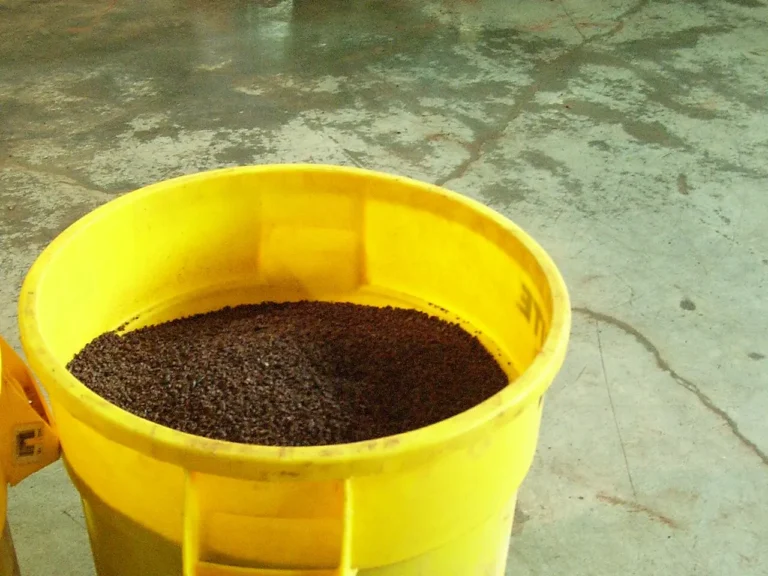
BV Holdings Agro exports Cameroon cocoa shells in full container loads for feed mills, growers, energy users and extract makers. The shell, often called husk in the trade, is the thin outer skin of the cocoa bean. It comes off during roasting and winnowing, before the nib is ground into liquor.
Because the shell is a by-product of cocoa grinding, it offers good value as a raw material. It carries useful fibre, some protein, natural cocoa compounds and a pleasant cocoa smell. As a result, one material can serve several markets, from animal feed to garden mulch and biomass fuel.
This page explains where the shells come from, their typical spec, the forms we ship and how we check each lot. It also covers packaging, documents, pricing and the order steps. The group’s cocoa processing division, BV Cocoa Products, also lists this material on its cocoa husk page.
Where Cameroon cocoa shells come from
Cameroon grows cocoa across the humid forest belt of the south. The main regions are the Centre, South, South-West, East and Littoral. Farmers ferment and sun-dry the beans, then sell them through producer groups and aggregators. Some beans are exported raw, while others go to processing plants for roasting and grinding.
At the plant, the beans are roasted and then cracked. Next, a winnower blows the light shell away from the heavier nib. The nib goes on to become liquor, butter, cake and powder. Meanwhile, the shell is collected, dried where needed and stored for sale. In short, every tonne of beans ground in Cameroon yields a steady flow of Cameroon cocoa shells.
The roast and the winnower both shape the final shell. A light roast leaves a paler, softer shell, while a darker roast gives a deeper brown flake. Good winnowing keeps nib pieces out of the shell stream. However, a small share of nib often stays mixed in, which raises the fat level slightly.
Shell or pod husk?
The word husk can cause confusion. In the cocoa trade, it often means the bean shell, which is what we supply. However, the cocoa pod husk is a different material. It is the thick outer pod that farmers open to take out the wet beans, and it usually stays on the farm as compost. Please state clearly which material you need in your inquiry.
Supply through the year
Cameroon has a main cocoa crop from about September to February and a mid-crop from about May to August. Grinding runs for much of the year, so shell supply is fairly steady. Still, volumes can rise after the main crop, when more beans reach the plants. Our Cameroon harvest calendar shows the timing for each crop.
Typical specification of Cameroon cocoa shells
The table shows the typical specification of Cameroon cocoa shells for export. Values follow normal industry ranges for roasted and winnowed shells of this origin.
| Parameter | Typical value |
|---|---|
| HS code | 1802.00 (cocoa shells, husks, skins and other cocoa waste) |
| Form | Loose shells or milled; pellets on request |
| Moisture | ≤ 10% |
| Crude protein | 13–18% |
| Crude fibre | 14–20% |
| Crude fat | 2–6% |
| Ash | ≤ 10% |
| Theobromine | About 0.8–1.5% |
| Foreign matter | ≤ 2% |
| Colour | Light to dark brown |
| Smell | Typical cocoa, free from mould or smoke |
Final specifications are confirmed in each contract and verified before loading. In addition, you can read how we test each lot on our quality control page.

Forms of Cameroon cocoa shells and how to choose
We offer Cameroon cocoa shells in three forms. The right one depends on your end use, your plant and the freight cost per tonne.
- Loose shells: whole or broken flakes as they leave the winnower. They suit mulch, extraction and boilers with a loose fuel feed.
- Milled shells: ground to a coarse or fine meal. They mix well into feed rations and pack denser than loose flakes.
- Pellets (on request): pressed shell for biomass boilers and easy handling. Pellets load far heavier per container.
So how do you choose? First, think about what your plant can take. A feed mill usually wants milled shells, because they blend evenly with other raw materials. A garden products firm wants clean, loose flakes with good colour. An energy user, however, often prefers pellets, since they flow well and cut freight per tonne. Tell us your use, and we will suggest the best form.
Quality control of Cameroon cocoa shells before loading
Shells are a by-product, but they still need careful handling. Damp or dirty shells can grow mould or carry stones and dust. For this reason, every lot of Cameroon cocoa shells passes the same checkpoints.
- Collect and dry: shells are collected from processing and dried to target moisture where needed.
- Store: bags sit on pallets, off the ground, in covered warehouses.
- Sample and test: we draw samples and test them against the contract spec.
- Clean and pack: we screen out stones, fines and debris, then pack into new export-marked bags with a lot number.
- Inspect and load: independent inspection and fumigation where required, then loading at Douala or Kribi.
What we test
Moisture is the key test, because wet shells heat up and grow mould in a closed box. We also check foreign matter, colour and smell on every lot. For feed buyers, a lab can test protein, fibre, fat, ash and theobromine. In addition, aflatoxin, heavy metals and pesticide residue tests can be added where agreed. Buyers may nominate an inspection firm such as SGS, Bureau Veritas, Intertek or Cotecna.
Common problems and how we avoid them
The main risks are moisture, mould and dirt. Shells that sit in a damp store can pick up water from the air. Shells swept from the floor can carry sand, stones and dust, which raise the ash level. For this reason, we only take clean shells from the process line, keep them dry and screen them before packing. Lots that smell mouldy or show visible growth are rejected. This keeps Cameroon cocoa shells fit for feed, mulch and fuel buyers alike.
Uses of Cameroon cocoa shells
Cameroon cocoa shells serve several industries. Each one values a different part of the material, from its fibre to its colour and heat value.
Animal feed ingredient
Feed mills add milled shells as a fibre and protein source, mainly in ruminant rations. However, shells contain theobromine, so nutritionists keep inclusion rates low. EU feed law also sets maximum theobromine levels for complete feeds. You can find more raw materials in our animal feed ingredients range, such as palm kernel cake.
In practice, Cameroon cocoa shells work best as a partial fibre source rather than a main ingredient. Most mills test each new lot and adjust the ration to the results. In addition, milling the shells finer can help digestion and mixing. Ask us for a sample, so your nutritionist can run trials before you place a full order.
Garden mulch
Loose shells make a clean, light mulch for beds, nurseries and landscaping. They hold soil moisture, slow weed growth and slowly add organic matter. They also smell of chocolate when first laid. Still, keep the mulch away from dogs, because theobromine is toxic to them.
Biomass fuel
Dry shells burn well in boilers built for solid biomass. Some plants burn loose shells directly, while others press them into pellets or briquettes. As a result, cocoa processors and nearby industries can turn a waste stream into heat or steam.
Fibre, extracts and colour
Food and cosmetic makers use shells as a source of dietary fibre, polyphenols and natural brown colour. Extract plants also recover theobromine from them. Meanwhile, researchers keep finding new uses, for example as a filler in bioplastics and as a base for activated carbon.
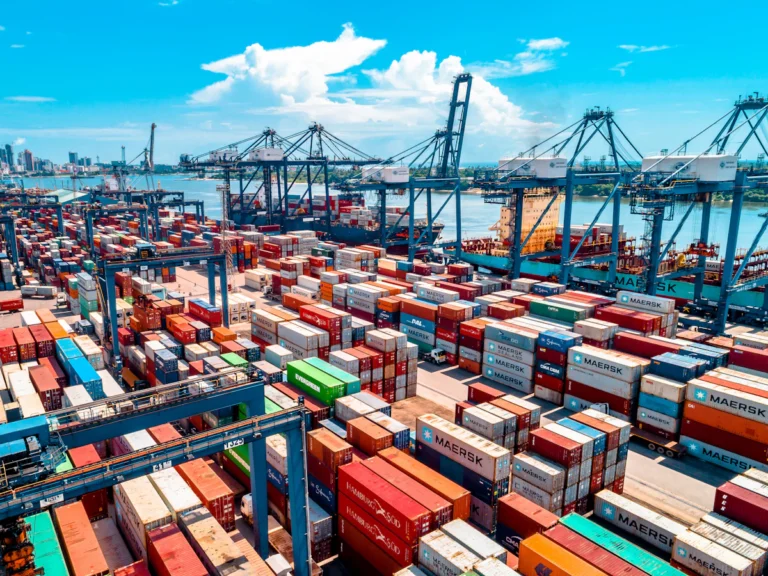
Packaging and container capacity for Cameroon cocoa shells
We ship loose Cameroon cocoa shells in PP bags or jumbo bags. Milled shells go in lined PP bags, which keep the meal clean and dry. Bulk loading with a container liner is also possible on request.
- Loose shells: light and bulky, so a container fills by volume before it reaches its weight limit. A 40ft high-cube often gives the best cost per tonne.
- Milled shells: denser than loose flakes, so a 20ft or 40ft carries more weight.
- Pellets: the densest form, with the highest payload per container.
- Moisture control: kraft paper lining and desiccant where agreed, to limit condensation at sea.
Because payload depends so much on form, we confirm the expected tonnes per container in each offer. Fumigation takes place where the buyer or the destination requires it. Each lot then loads at Douala or Kribi port.
At your end, store Cameroon cocoa shells in a dry, covered space on pallets. Keep them away from rain and strong smells. Under these conditions, dry shells keep well for many months.
Handling notes
Shells create some dust when bags are tipped or milled. So workers should use dust masks and good air flow when handling large volumes. Dry shells can also burn, so keep stores away from open flames and hot machines. These are simple steps, yet they keep the material safe and in good condition.
Export documents and EUDR rules for Cameroon cocoa shells
Each shipment travels with a full document set for customs clearance and payment.
- Commercial invoice and packing list
- Bill of lading
- Phytosanitary certificate (MINADER plant protection)
- Certificate of origin
- Weight and quality certificate from the agreed inspection company
- Fumigation certificate where required
- Lab reports, such as feed analysis or aflatoxin, where agreed
EU Deforestation Regulation (EUDR)
EU buyers should note that cocoa shells fall under HS heading 1802, which is listed in the EU Deforestation Regulation, Regulation (EU) 2023/1115. Under the rules, the EU operator must show that the cocoa was not grown on land deforested after 31 December 2020. It must also show that the cocoa was produced legally in the country of origin.
In practice, this means geolocation data for the plots where the original beans were grown. The EU importer then files a due diligence statement before the goods enter the market. Because shells come from processing, traceability must follow the beans through the plant. Since the EU has revised the timeline, buyers should check the current application dates. We discuss the traceability data we can share for each lot during the offer stage.
Feed buyers should also check feed law in their market. For example, the EU sets limits for undesirable substances, such as aflatoxin B1 and theobromine, in feed. So tell us your destination and use early, and we can plan the right tests.
How pricing works for Cameroon cocoa shells
We do not publish prices, because each offer depends on form, volume and freight. Several factors shape the price of Cameroon cocoa shells.
- Form: loose, milled or pelleted. Milling and pelleting add cost but cut freight per tonne.
- Quality: moisture, protein, ash and foreign matter all affect value.
- Freight: for bulky loose shells, sea freight can be a large share of the delivered cost.
- Incoterm: FOB Douala or Kribi, CFR or CIF to your port.
- Volume and timing: contract size, shipment window and payment terms.
Shell supply follows grinding activity, so the market is less volatile than for beans. Even so, freight rates change, and offers carry a short validity. A regular buyer with a steady monthly volume can often get a more stable offer, because it helps us plan collection and storage of Cameroon cocoa shells. You can compare delivery terms in our FOB vs CIF guide.
How to order from BV Holdings Agro
Buying from us follows six clear steps. You can see each one in detail on our export process page.
- 1. Inquiry: you send form, use, volume, destination port, Incoterm and shipment window.
- 2. Offer and sample: we send a written offer and a sample for your lab.
- 3. Contract: we both sign a contract with spec, price, Incoterm, payment terms, inspection method and shipment window.
- 4. Payment security: you arrange a letter of credit, documentary collection or other agreed terms.
- 5. Preparation and inspection: we prepare, test and inspect the lot.
- 6. Shipment and documents: we ship, and documents are released per the payment terms.
Why buy from BV Holdings Agro
- Direct supply of Cameroon cocoa shells from cocoa processing
- Shells taken from the process line, not swept from the floor
- Loose, milled or pellet forms to suit your use
- Moisture and foreign matter checked before loading
- Full export papers and a clear written contract
- Part of BV Holdings PLC, with a cocoa processing division in the group
Cameroon cocoa shells FAQ
Are Cameroon cocoa shells safe in animal feed?
Yes, at low inclusion rates set by a qualified nutritionist. Shells contain theobromine, so they suit adult ruminants better than pets, poultry or young animals. EU feed law also sets maximum theobromine levels in complete feeds. We can arrange a lab analysis of protein, fibre and theobromine so you can plan your ration.
Can you supply milled shells or pellets?
Yes. We offer loose and milled shells as standard. Pellets can be discussed on request, depending on volume and timing. Milled shells and pellets pack much denser than loose flakes, so they often lower freight cost per tonne. Tell us your use and plant in your inquiry, and we will suggest a form.
What is the difference between cocoa shells and cocoa pod husk?
Cocoa shells are the thin skins around each bean, removed after roasting at the processing plant. Cocoa pod husk is the thick outer pod that farmers open to take out the wet beans. They are different materials with different uses. We supply bean shells, so please state clearly which one you need.
What is the minimum order for Cameroon cocoa shells?
The minimum order is one 20ft container. However, loose shells are bulky, so many buyers choose a 40ft high-cube for a better cost per tonne. We confirm the expected payload per container in each offer. Larger contracts can run over several containers across the year.
Do cocoa shells fall under the EUDR?
Yes. Cocoa shells fall under HS heading 1802, which the EU Deforestation Regulation lists. EU importers need plot geolocation and proof of legal, deforestation-free production for the original beans. They then file a due diligence statement. We discuss the traceability data we can share for each lot during the offer stage.
Can I use cocoa shells as garden mulch?
Yes. Loose shells make a light, clean mulch that holds soil moisture and slows weed growth. They also break down slowly and add organic matter. However, keep cocoa shell mulch away from dogs, because theobromine is toxic to them. Garden product firms often bag the shells for retail under their own brand.
How are the shells packed and shipped?
We ship loose shells in PP bags or jumbo bags, and milled shells in lined PP bags. Bulk loading with a container liner is also possible. Each lot loads at Douala or Kribi with a kraft paper lining to limit condensation. Fumigation is carried out where the buyer or destination requires it.
Which Incoterms do you offer?
We quote FOB Douala or Kribi, CFR to your destination port, or CIF to your destination port. Under CIF, we arrange freight and minimum cargo insurance. Under FOB, you book the vessel and insure the cargo yourself. For bulky loose shells, comparing CFR offers can help you judge the true delivered cost.
Export markets we quote

Processed by BV Cocoa Products
BV Cocoa Products is the cocoa processing division of BV Holdings Agro. See its technical data and product range on the division site.
Request a Cameroon cocoa shells quote
Want a regular supply of Cameroon cocoa shells? Request a quote and tell us your use, form, volume and port. We also ship cocoa beans and cocoa cake from Cameroon.