Cameroon Cocoa Beans exported to your specification
BV Holdings Agro exports Cameroon cocoa beans in full container loads for grinders, chocolate makers and traders. Every lot gets a quality check before loading.
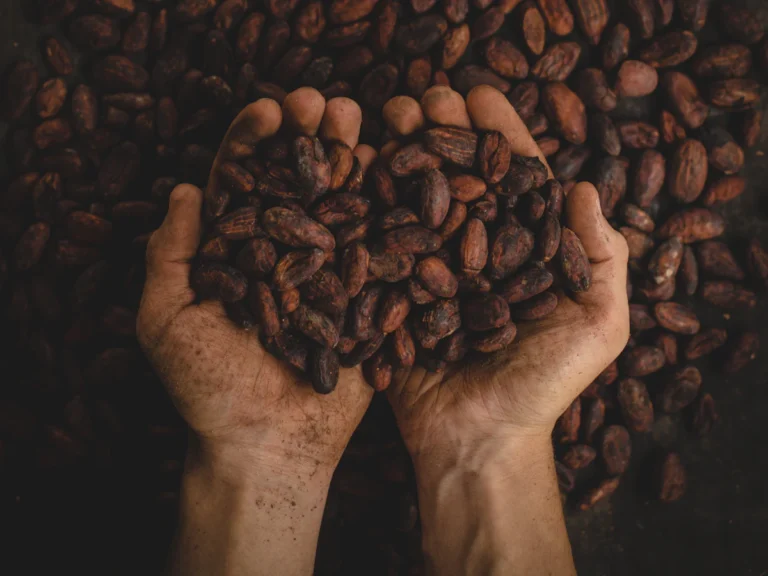
BV Holdings Agro exports Cameroon cocoa beans in full container loads for grinders, chocolate makers and commodity traders. We buy from producer groups and aggregators in the main growing regions. Then we dry, sort, test and pack each lot for export through Douala or Kribi.
Cameroon beans are known for a high fat content and a warm, reddish-brown colour once processed. For this reason, many grinders blend them into butter and powder runs. Chocolate makers also value well-fermented lots for their full cocoa flavour.
This page sets out what buyers need before they place an order. It covers regions, typical specs, grades, quality checks, packaging, documents, pricing and the order steps. You can also see the group’s cocoa beans page at BV Cocoa Products, the cocoa processing division of BV Holdings Agro.
Where Cameroon cocoa beans are grown
Cocoa grows across the humid forest belt of southern Cameroon. The main producing regions are the Centre, South, South-West, East and Littoral. Most farms are small family plots of a few hectares. Farmers often grow cocoa under shade trees, mixed with plantain, fruit trees and food crops.
The Centre region, around Mbalmayo, Obala and Bafia, is one of the largest sources. Meanwhile, the South-West, around Kumba and Mamfe, is known for bold beans and strong yields. The East and South add volume from forest-edge farms, while the Littoral supplies lots close to Douala port.
We source Cameroon cocoa beans through producer groups and local aggregators who know their farmers well. They collect beans from many small farms, check them and bring them to our warehouse. As a result, we can build even lots from many villages while keeping the region of origin on record.
Harvest seasons
Cameroon has two harvests each year. The main crop runs from about September to February and gives the bulk of the year’s beans. The mid-crop, or light crop, comes in from about May to August. Mid-crop beans are often a little smaller, so the bean count per 100 g can be higher. Our Cameroon harvest calendar shows the timing for each crop we trade.
Fermentation and drying
After harvest, farmers open the pods and pile the wet beans in heaps or boxes. The pulp ferments for about five to seven days, which builds flavour and turns the nib brown. Next, the beans dry in the sun on mats, racks or concrete floors. Good drying brings moisture down to a safe level for storage and shipping. In wet weeks, some farmers also use simple dryers, so we check every lot for smoke taint.
Typical specification of Cameroon cocoa beans
The table below shows the typical specification of Cameroon cocoa beans for export. Values follow normal industry practice for fermented and dried beans of this origin.
| Parameter | Grade I (typical) | Grade II (typical) |
|---|---|---|
| HS code | 1801.00 (whole or broken, raw) | 1801.00 (whole or broken, raw) |
| Crop | Main crop or mid-crop | Main crop or mid-crop |
| Moisture | ≤ 7.5% | ≤ 7.5% |
| Bean count | 95–105 beans per 100 g (or as agreed) | As agreed per contract |
| Mouldy beans (cut test) | ≤ 3% | ≤ 4% |
| Slaty beans (cut test) | ≤ 3% | ≤ 8% |
| Insect-damaged, germinated or flat | ≤ 3% combined | ≤ 6% combined |
| Foreign matter | ≤ 1% | ≤ 1% |
| Fat content | About 52–56% of dry nib | About 52–56% of dry nib |
| Smoky or off flavour | None | None |
Final specifications are confirmed in each contract and verified before loading. In addition, you can read how we test each lot on our quality control page.

Grades of Cameroon cocoa beans and how to choose
We offer two export grades of Cameroon cocoa beans. The grade depends on the cut test, which counts mouldy, slaty and damaged beans in a sample. Bean size and moisture then decide the final contract terms.
- Grade I: few defects and good fermentation. It suits chocolate makers and most grinding contracts.
- Grade II: allows a few more slaty or damaged beans. It often goes to butter and powder plants, where flavour matters less.
- Bean count: set per contract, for example 100 or 110 beans per 100 g. Lower counts mean larger beans and less shell.
- Crop: main crop beans are usually bolder, while mid-crop beans are smaller.
So how do you choose? First, think about your end use. A chocolate maker needs well-fermented beans with low slaty counts, because slaty beans taste bitter and flat. A grinder, however, may focus on fat yield, shell share and price. Traders often want lots that match a futures contract spec, so they can resell with ease. Tell us your use and we will suggest the best fit.
Quality control of Cameroon cocoa beans before loading
Every lot of Cameroon cocoa beans follows the same checkpoints. We buy in the region, dry and store the beans, then test, clean and pack them. Finally, the lot goes through inspection before it loads at the port.
- Buy in region: we buy from producer groups and aggregators, then group beans into lots.
- Dry and store: beans dry to target moisture and sit on pallets, off the ground, in covered warehouses.
- Sample and test: we draw samples and test them against the contract spec.
- Clean, sort and pack: we remove stones, flat beans and debris, then pack into new export-marked bags with a lot number.
- Inspect and load: independent inspection and fumigation where required, then loading at Douala or Kribi.
The cut test explained
The cut test is the core check for cocoa. Inspectors cut a set number of beans lengthwise, often 300, and look at the inside. Mouldy beans show white or grey growth. Slaty beans are grey and dense, which means poor fermentation. Purple beans are under-fermented, while germinated and insect-damaged beans show clear marks. Each defect is counted as a share of the sample.
We also test moisture with a calibrated meter and weigh a sample to find the bean count. In addition, we check foreign matter and smell the beans for smoke or mould. Buyers may nominate an inspection firm such as SGS, Bureau Veritas, Intertek or Cotecna. Also, Cameroon’s National Cocoa and Coffee Board (ONCC) carries out quality control on cocoa export lots.
Common causes of defects
Most defects start on the farm or in storage. Short fermentation gives slaty or purple beans. Slow drying in wet weather leads to mould, while open-fire drying can leave a smoky taint. Damp stores also invite insects. For this reason, we buy dry beans only, store them off the ground and reject lots that fail the smell test. This keeps Cameroon cocoa beans clean and sound for the voyage.
Uses of Cameroon cocoa beans
Cameroon cocoa beans feed the whole cocoa chain. Most beans end up as liquor, butter, cake and powder, which then go into food, drinks and cosmetics. Here are the main buyer groups.
- Grinders: roast, winnow and grind the nibs into liquor, then press it into butter and cake.
- Chocolate makers: use well-fermented beans for dark, milk and couverture recipes.
- Bean-to-bar makers: buy smaller lots through traders for single-origin bars.
- Commodity traders: buy container lots for resale, blending or delivery against contracts.
The high fat share of Cameroon beans helps grinders get a good butter yield. Meanwhile, the red-brown tone carries into the powder, which suits bakery and drink makers. If you would rather buy processed goods, we also supply cocoa butter and cocoa powder. You can browse the full range in our cocoa products category.
Flavour and processing notes
Well-fermented Cameroon cocoa beans give a full, rounded cocoa taste with mild acidity. Grinders often note a good butter yield and a rich red-brown cake. In addition, the shell comes away cleanly during winnowing when the beans are dry and sound. Roast profiles vary by plant, so we suggest a test roast on the sample before you sign.
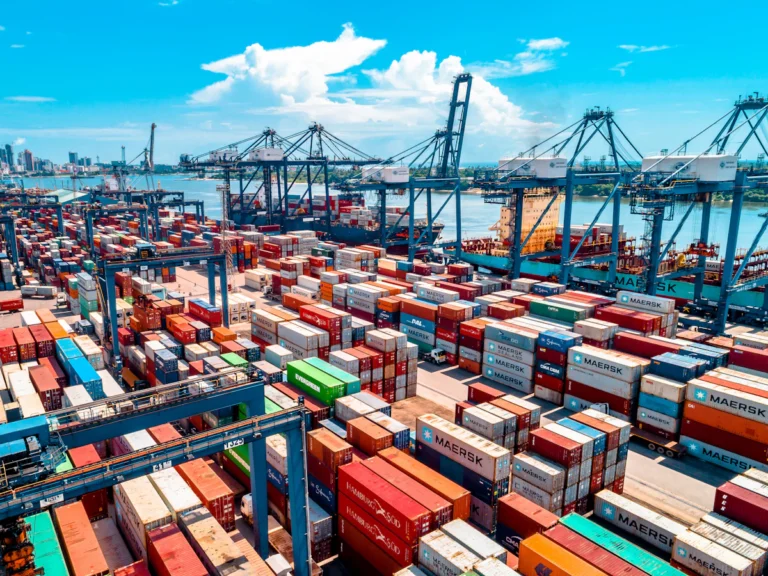
Packaging and container capacity for Cameroon cocoa beans
We pack Cameroon cocoa beans in new jute bags of about 62.5 to 65 kg net. Jute breathes, so it helps keep the beans dry during the sea voyage. Many buyers now ask for jute made with food-grade, vegetable-based batching oil, to avoid mineral oil traces. We confirm the bag type in each offer.
- 20ft container: about 12 to 12.5 tonnes in bags, as an approximate industry norm.
- 40ft container: about 24 to 25 tonnes in bags.
- Bulk liner: loose beans in a lined container can carry more weight, on request.
- Moisture control: kraft paper on walls and floor, plus desiccant where agreed, to limit condensation.
Cocoa can sweat in a closed box when the air cools at sea. As a result, we load only dry beans and line the container with care. Fumigation takes place where the buyer or the destination requires it. Each lot then loads at Douala or Kribi port.
At your end, store Cameroon cocoa beans in a cool, dry and clean warehouse, away from strong smells. Stack bags on pallets with space for air to move. Under these conditions, dry beans keep their quality for many months. However, check moisture again if the beans sit in a hot or damp store for a long time.
Export documents and EUDR rules for Cameroon cocoa beans
Each shipment of Cameroon cocoa beans travels with a full document set. The set supports customs clearance, payment and quality claims at the destination.
- Commercial invoice and packing list
- Bill of lading
- Phytosanitary certificate (MINADER plant protection)
- Certificate of origin
- ONCC export quality certificate
- Weight and quality certificate from the agreed inspection company
- Fumigation certificate where required
- Lab reports, such as pesticide residue or cadmium, where agreed
EU Deforestation Regulation (EUDR)
EU buyers must also meet the EU Deforestation Regulation, Regulation (EU) 2023/1115. Cocoa is one of the covered commodities. Under the rules, the EU operator must show that the cocoa was not grown on land deforested after 31 December 2020. It must also show that the cocoa was produced legally under the laws of the country of origin.
In practice, this means geolocation data for every plot where the beans were grown. Plots over four hectares need polygon maps, while smaller plots can use a single GPS point. The EU importer then files a due diligence statement before the goods enter the market. Because the EU has revised the timeline, buyers should check the current application dates. We discuss the traceability data we can share for each lot during the offer stage.
Other markets have their own rules. For example, EU food law sets limits for pesticide residues and for cadmium in cocoa products. So tell us your destination early, and we can plan the right tests and papers.
How pricing works for Cameroon cocoa beans
We do not publish prices, because cocoa prices move every day. Instead, each offer reflects the market on the day we quote. Several factors shape the price of Cameroon cocoa beans.
- Futures markets: world cocoa prices follow the London and New York futures exchanges.
- Origin differential: a premium or discount for Cameroon origin, grade and crop.
- Quality: bean count, cut test results and fat content all affect value.
- Incoterm: FOB Douala or Kribi, CFR or CIF to your port. Freight and insurance add to CFR and CIF.
- Volume and timing: contract size, shipment window and payment terms.
The Central African CFA franc is pegged to the euro, which keeps local costs stable for euro buyers. Still, freight rates and futures can shift between offer and contract. For this reason, offers for Cameroon cocoa beans carry a short validity. You can compare delivery terms in our FOB vs CIF guide.
How to order from BV Holdings Agro
Buying cocoa from us follows six clear steps. You can see each one in detail on our export process page.
- 1. Inquiry: you send grade, volume, destination port, Incoterm and shipment window.
- 2. Offer and sample: we send a written offer and a sample for your lab.
- 3. Contract: we both sign a contract with spec, price, Incoterm, payment terms, inspection method and shipment window.
- 4. Payment security: you arrange a letter of credit, documentary collection or other agreed terms.
- 5. Preparation and inspection: we prepare, test and inspect the lot.
- 6. Shipment and documents: we ship, and documents are released per the payment terms.
Why buy from BV Holdings Agro
- Direct origin supply of Cameroon cocoa beans from the main regions
- Two export grades and contract bean counts
- Quality checks and cut tests on every lot before loading
- Full export papers and a clear written contract
- Part of BV Holdings PLC, with a cocoa processing division in the group
Cameroon cocoa beans FAQ
What is the minimum order for Cameroon cocoa beans?
The minimum order is one 20ft container, which holds about 12 to 12.5 tonnes in bags. Larger contracts can run over several 40ft containers or be spread across a crop season. Tell us your total volume and shipment window in your inquiry, and we will plan the lots to suit your needs.
Can I get a sample before I sign a contract?
Yes. Send an inquiry with your grade, volume, port and Incoterm. Then we send a written offer and a sample for your lab to test. The sample shows bean size, colour and cut test results. Once you approve it, we move to the contract, which fixes the spec that we verify before loading.
Which grades of Cameroon cocoa beans do you offer?
We offer Grade I and Grade II. Grade I has fewer mouldy, slaty and damaged beans, so it suits chocolate makers and most grinders. Grade II allows a few more defects and often goes to butter and powder plants. We can also set the bean count per contract, for example 100 or 110 beans per 100 g.
When is the cocoa harvest in Cameroon?
Cameroon has two cocoa harvests. The main crop runs from about September to February and gives most of the year’s beans. The mid-crop runs from about May to August and gives smaller beans. Availability depends on the season, so we confirm volumes and shipment windows in each offer.
Which Incoterms and ports do you use?
We quote FOB Douala or Kribi, CFR to your destination port, or CIF to your destination port. Under CIF, we arrange freight and minimum cargo insurance to your port. Under FOB, you book the vessel and insure the cargo yourself. Each contract states the Incoterm, port and shipment window clearly.
Are Cameroon cocoa beans traceable for EUDR?
EU buyers must meet the EU Deforestation Regulation, which needs plot geolocation and proof of legal, deforestation-free production. The EU importer files the due diligence statement. We discuss the traceability data we can share for each lot during the offer stage. Please also check the current EUDR application dates, as the EU has revised them.
How are the beans packed and shipped?
We pack beans in new jute bags of about 62.5 to 65 kg net, marked with the lot number. A 20ft container carries about 12 to 12.5 tonnes and a 40ft about 24 to 25 tonnes. Bulk loading with a liner is possible on request. We line containers with kraft paper to limit condensation at sea.
Can an independent company inspect the cargo?
Yes. You can nominate an inspection firm, such as SGS, Bureau Veritas, Intertek or Cotecna. The firm can check weight, quality and packing before loading. In addition, Cameroon’s ONCC carries out quality control on cocoa export lots. The agreed inspection method is written into the contract, so both sides know how results are set.
Related commodities

Processed by BV Cocoa Products
BV Cocoa Products is the cocoa processing division of BV Holdings Agro. See its technical data and product range on the division site.
Request a Cameroon cocoa beans quote
Ready to source Cameroon cocoa beans? Request a quote with your grade, volume, port and Incoterm, and we will reply with an offer. You can also add cocoa shells to the same inquiry, or read our guide to importing from Cameroon .