Cameroon to France cocoa, coffee and pepper, in French
BV Holdings Agro supplies cocoa butter, cocoa liquor, green coffee and spices from Cameroon to France for chocolatiers, roasters and spice houses. We load at Douala or Kribi and quote FOB, CFR or CIF Le Havre or Marseille-Fos.
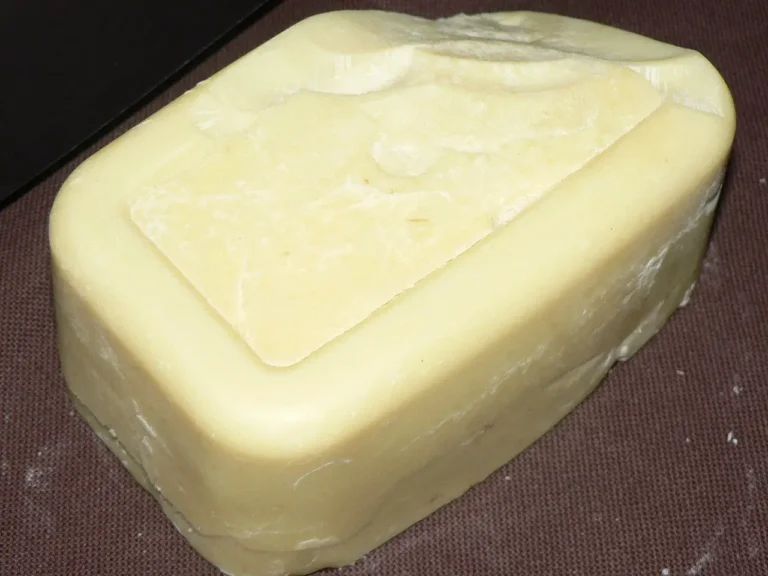
French buyers who source from Cameroon to France mostly want semi-finished cocoa, Robusta coffee and spices. BV Holdings Agro, the agricultural export arm of BV Holdings PLC, supplies these lines in container loads. We buy from producer groups and aggregators in Cameroon’s growing regions, test every lot against your contract and load at Douala or Kribi.
The trade link between the two countries is old and close. Cameroon’s National Institute of Statistics ranked France as Cameroon’s second-largest export customer in 2023. Much of that value is energy, yet cocoa butter, cocoa paste and coffee also feature. Better still, French is one of Cameroon’s two official languages. So contracts, emails and documents can all run in French.
This page explains the Cameroon to France trade in practical terms. It covers the products French buyers source, EU market access, the routes to Le Havre and Marseille-Fos, French import checks, Incoterms, seasons and ordering. For other routes, see our export markets overview.
Products in demand from Cameroon to France
Trade data compiled from UN Comtrade shows cocoa as Cameroon’s largest farm export to France in 2023, followed by wood, fruit, coffee and spices. Within our own range, the lines below suit French buyers best. Each name links to its product page, with a typical specification.
| Product | Typical buyer or use in France | HS code |
|---|---|---|
| Cocoa butter | Chocolate makers, pastry suppliers and cosmetics firms | 1804.00 |
| Cocoa liquor (paste) | Chocolate and couverture production | 1803.10 |
| Cameroon cocoa beans | Grinders and bean-to-bar chocolate makers | 1801.00 |
| Cocoa powder | Bakery, biscuit and breakfast drink makers | 1805.00 |
| Cocoa cake | Powder millers and food ingredient firms | 1803.20 |
| Green Robusta coffee | Roasters for espresso and blends; traders | 0901.11 |
| Green Arabica coffee | Roasters and specialty coffee importers | 0901.11 |
| White pepper | Spice houses, food service and gourmet brands | 0904.11 |
| Black pepper | Spice grinders and food makers | 0904.11 |
| Dried ginger | Spice millers, drinks and tea firms | 0910.11 / 0910.12 |
| Natural rubber | Tyre and technical rubber makers | 4001.22 |
To see the full range, browse our cocoa products, green coffee and spices categories. Processed cocoa is also covered by our cocoa division, BV Cocoa Products, so a single inquiry reaches both teams.
Quick picks for French buyers
- Chocolatier or confectioner: cocoa butter and liquor first, then beans for origin bars.
- Roaster: Robusta for espresso blends, Arabica for single-origin lines.
- Spice house: white pepper from the Moungo valley, plus black pepper and ginger.
- Industrial buyer: natural rubber graded by contract.
Why the Cameroon to France trade centres on cocoa and coffee
France has a large and varied cocoa industry. According to CBI, the Dutch import promotion centre, France is Europe’s third-largest cocoa grinder, after the Netherlands and Germany. It is also Europe’s third-largest importer of both cocoa paste and cocoa butter. CBI counts more than 115 French chocolate makers, most of them small and medium firms.
That mix suits the Cameroon to France route well. Large grinders want steady bean supply. Meanwhile, smaller chocolatiers often buy butter and liquor rather than grind beans themselves. Cameroon’s recent trade data reflects this. Business in Cameroon reported that cocoa butter, fats and oils led the growth in Cameroon’s exports to France in the second quarter of 2025.
Coffee is the second pillar. Cameroon’s statistics office reported that all coffee sold to France in 2023 was Robusta, at about 1,650 tonnes. In other words, French roasters already know Cameroon Robusta. Arabica from the western highlands is a newer opportunity for roasters who want a distinct African origin.
Semi-finished cocoa for French chocolatiers
Many French chocolate firms do not grind beans. Instead, they melt couverture or blend cocoa butter and liquor into their own recipes. For them, the Cameroon to France route works best with semi-finished cocoa. Cocoa butter suits fillings, ganache bases and cosmetics. Cocoa liquor, in turn, carries the full origin flavour into the bar. Cocoa cake and powder serve bakeries and breakfast drink makers.
Each processed line has its own typical specification, covering fat content, free fatty acids, moisture and fineness where relevant. Our cocoa division, BV Cocoa Products, can add technical detail. Therefore, your quality team can compare our numbers with its current supplier before a sample even arrives.
EU market access for Cameroon to France trade
France applies the EU’s common customs tariff. So the Cameroon to France trade follows EU agreements rather than a separate bilateral deal. The key text is the interim Economic Partnership Agreement (EPA) between the EU and Cameroon. It was signed in Yaoundé in January 2009 and has been provisionally applied since 2014.
The European Commission’s Central Africa trade page states that all goods from Cameroon enter the EU duty-free and quota-free. For French buyers, the main gain is on processed cocoa. Cocoa butter, paste and powder normally carry EU duty. With valid proof of Cameroonian origin, however, they can enter duty-free.
Proof of origin is usually an EUR.1 movement certificate from Cameroon customs. Approved exporters, or small consignments, may use an invoice declaration instead. French customs (the DGDDI) checks the claim at clearance. Therefore, we prepare the origin paperwork with the shipping documents, so it is ready on arrival.
EUDR and Cameroon to France supply
The EU Deforestation Regulation (EUDR) covers cocoa, coffee, palm oil, rubber, soy, cattle and wood. Large and medium operators must comply from 30 December 2026, and micro and small operators from 30 June 2027. The Commission’s 2026 review kept those dates in place.
Most lines in the Cameroon to France table are in scope, from cocoa butter to rubber. The French operator must file a due diligence statement with plot geolocation. For this reason, we discuss the traceability data for each lot before the contract. We state clearly what we can document, and we never claim data we cannot supply.
Shipping from Cameroon to France: ports and containers
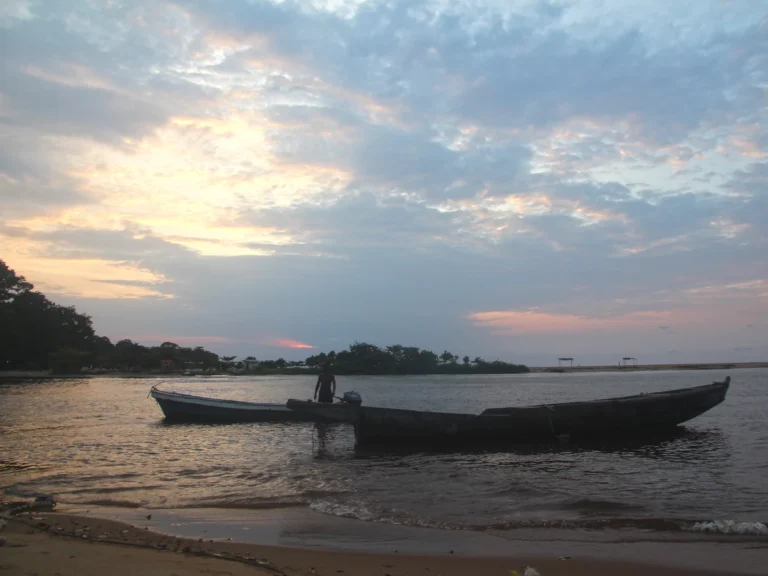
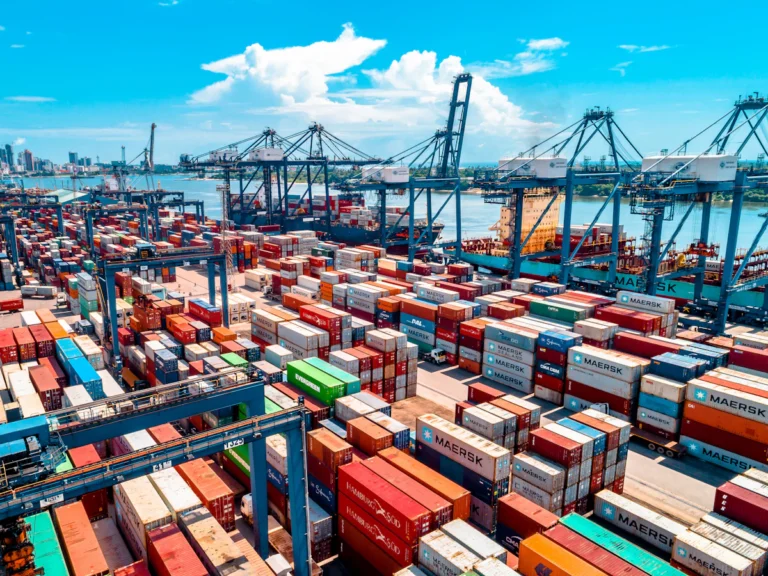
Every Cameroon to France container loads at Douala or Kribi. Douala is Cameroon’s main commercial port. Kribi, in the South, is a deep-water port with a modern container terminal. We choose the port that fits the cargo, the origin region and the sailing schedule.
France offers two coasts. On the Channel, Le Havre and Rouen form the HAROPA port group with Paris. CBI names HAROPA as France’s main entry point for cocoa beans. On the Mediterranean, Marseille-Fos serves buyers in the south and the Rhône valley. Dunkirk is another northern option for some cargoes. Your forwarder can advise which port gives the best route to your plant.
Packing by product
- Cocoa beans: jute bags of about 62.5–65 kg in 20ft containers.
- Cocoa butter, liquor, cake and powder: cartons or lined bags in 20ft containers.
- Green coffee: new 60 kg jute bags; liners on request.
- Pepper and ginger: 25 kg jute or PP bags, with liners where required.
- Natural rubber: bales, packed as agreed, in 20ft containers.
Transit on the Cameroon to France route is typically a few weeks. Some services sail direct to Le Havre, while others call at a transhipment hub. Mediterranean routings to Marseille-Fos can differ again. So we confirm the vessel, route and estimated arrival at booking. For cocoa butter, we also plan for heat, because a warm container can soften blocks in transit.
The inland leg deserves a thought as well. From Le Havre, goods reach the Paris region by river, rail or road through the HAROPA network. From Marseille-Fos, the Rhône corridor serves Lyon and the south-east. Tell us the final delivery site, and we will plan each Cameroon to France container for the full journey, not just the sea leg.
Import requirements and documents in France
French import rules follow EU law. Customs clears the goods, checks origin and collects import VAT. Meanwhile, the border inspection service SIVEP carries out plant health and other sanitary checks on regulated goods at entry. Your customs broker confirms which checks apply to each HS code.
Plant health and food safety
Many plant products need a phytosanitary certificate to enter the EU. We provide one from Cameroon’s plant protection service (MINADER) with every shipment. Food must also meet EU maximum residue levels (MRLs) for pesticides. In addition, EU contaminant rules set limits such as ochratoxin A in coffee and spices, and aflatoxins in spices. French buyers often run their own tests on arrival, so we agree the lab parameters in the contract.
Documents for a Cameroon to France shipment
- commercial invoice and packing list
- bill of lading
- phytosanitary certificate (MINADER)
- certificate of origin, plus EUR.1 or an origin declaration for EPA preference
- weight and quality certificate from the agreed inspection company
- ONCC export quality certificate for cocoa and coffee
- fumigation certificate where required
- lab reports (pesticide residues, mycotoxins, microbiology) where agreed
Our export documents page explains each one. Documents can be issued in French or English. These are requirements, not guarantees, so we fix the list in each contract.
Labels matter too. Every lot is packed in new export-marked bags with a lot number. That links each bag to its test results and documents. If your French warehouse needs specific marks, such as your order number or a product code, send them with the inquiry. We then add them at packing, before inspection.
Quality control before Cameroon to France loading
French chocolate and coffee buyers care about flavour as much as numbers. So our checks cover both. We test moisture on every lot. For cocoa beans, we run a cut test for mouldy, slaty and insect-damaged beans and check for smoky or off flavours. For coffee, we check screen size, defects and odour. For spices, we check moisture and foreign matter, with lab tests where agreed.
Cameroon’s National Cocoa and Coffee Board (ONCC) also controls cocoa and coffee export lots. Moreover, you may nominate an inspection company such as SGS, Bureau Veritas, Intertek or Cotecna. Final specifications are confirmed in each contract and verified before loading. Our quality control page sets out the process step by step.
For a first order, we suggest a simple path. First, approve a pre-shipment sample from the actual lot. Then agree the inspection company and the lab that settles any dispute. Finally, compare the arrival sample in France with the inspection report. This approach keeps the first Cameroon to France container low-risk for both sides.
Incoterms that suit Cameroon to France buyers
We quote FOB Douala or Kribi, CFR to your port and CIF to your port.
- FOB Douala/Kribi: suits larger traders and grinders with their own freight contracts.
- CFR Le Havre or Marseille-Fos: we book the freight, while you insure the cargo under your own policy.
- CIF Le Havre or Marseille-Fos: we add minimum cargo insurance. As a result, it is the simplest option for a first container.
Smaller chocolatiers and spice houses usually prefer CIF, because it keeps freight and insurance off their desk. Large grinders, by contrast, often buy FOB. Our FOB vs CIF guide explains the trade-offs. Payment terms, such as a letter of credit or documentary collection, are agreed per contract.
One more practical point helps. Cameroon uses the Central African CFA franc, which has a fixed parity with the euro. However, we still agree the contract currency in writing, so both sides know exactly what is due. We can discuss an offer in euros or US dollars, so tell us which suits your Cameroon to France budget.
Seasons on the Cameroon to France route
Cameroon’s cocoa main crop runs from about September to February, with a mid-crop from about May to August. Robusta is harvested from about November to February. Arabica from the West and North-West highlands comes in from about October to January. Pepper peaks from about November to March, and ginger from about December to March.
So a French roaster can plan Robusta for early-year shipments. A chocolatier who wants beans for a new origin bar should book main-crop cocoa early, leaving time for samples and EUDR data checks. Our Cameroon harvest calendar shows each crop month by month.
Spice houses should plan around the pepper season too. White pepper takes extra work after harvest, because the outer skin is removed by soaking before drying. As a result, the first export lots of the season follow the black pepper a little later. If you need both on one Cameroon to France container, tell us early, so we can match the two lots and test them together.
How to order from BV Holdings Agro
- 1. Inquiry: send the product, grade, volume, port and Incoterm, in French or English.
- 2. Offer and sample: we reply with a written offer and, where possible, a representative sample.
- 3. Agreement: we sign a contract covering specification, price, Incoterm, payment terms, inspection and shipment window.
- 4. Shipment: we prepare, inspect and load, then release documents under the agreed terms.
Our export process page covers each step in more depth. A precise first inquiry saves time, so include your target specification and lab limits.
Why buy from BV Holdings Agro
- One trading house for cocoa, coffee, spices and rubber from Cameroon.
- Loading at Douala or Kribi, with FOB, CFR or CIF offers to French ports.
- Work in French or English, from first email to final documents.
- Pre-loading tests, ONCC control on cocoa and coffee, and inspection on request.
- Container loads from one 20ft unit, with no retail quantities.
FAQ: Cameroon to France
Is Cameroon to France trade duty-free?
Under the EU–Cameroon interim EPA, goods of Cameroonian origin enter the EU duty-free and quota-free. The importer must present valid proof of origin, usually an EUR.1 certificate. French import VAT still applies. Your customs broker confirms the final treatment for each HS code before the goods arrive.
Which French ports do you quote?
We usually quote CFR or CIF Le Havre for northern France and Marseille-Fos for the south. We can also quote Dunkirk, Antwerp or Rotterdam on request. Alternatively, we offer FOB Douala or Kribi if you prefer to book freight yourself.
Can we work in French?
Yes. French and English are both official languages in Cameroon, and we can handle inquiries, offers and contracts in either. Export documents can also be issued in French. This makes the Cameroon to France route one of the simplest for French-speaking buyers.
How long does shipping from Cameroon to France take?
Transit is typically a few weeks. It depends on the carrier, the loading port, the French port and any transhipment call. We confirm the vessel and estimated arrival at booking, and we time loading to the crop so the lot is tested and ready.
Is your white pepper Penja PGI pepper?
Our white pepper comes from the Moungo valley in the Littoral region, where Penja pepper grows. Penja pepper holds PGI status in the EU. However, we do not claim our lots are PGI-certified. PGI-labelled lots can be discussed on request.
Can you supply EUDR data for cocoa and coffee?
We discuss traceability and geolocation data for each cocoa, coffee and rubber lot before the contract. The French operator files the due diligence statement. We tell you clearly what we can provide, and we never claim data or certificates we cannot document.
What is the minimum order for France?
One 20ft container. We do not sell retail or pallet quantities. Larger orders can be split over several sailings, with each container inspected before loading. For mixed needs, such as butter and powder, ask whether one container can carry both lines.
Are your products certified organic or Fairtrade?
No. We do not claim organic, Fairtrade or Rainforest Alliance status for any lot. Instead, we describe quality through a typical specification, pre-loading tests and independent inspection. If your French customers need certified supply, tell us early, and we will be clear about what we can offer.
Other Europe markets

One arm of BV Holdings PLC
BV Holdings Agro is the agricultural export company of BV Holdings PLC, alongside BV Cocoa Products and BV Metal & Minerals.
Plan your French container
Write to us in French or English with the product, grade, volume and port, and we will send a clear offer.