Cameroon Natural Rubber exported to your specification
BV Holdings Agro supplies Cameroon natural rubber as TSR 10 and TSR 20 bales for tyre and rubber goods makers. Each lot ships with lab test results and full export papers.

BV Holdings Agro exports Cameroon natural rubber as TSR 10 and TSR 20 for tyre plants and rubber goods makers. Our rubber comes from estates and smallholders in the South-West, Littoral and South regions. Each lot ships in film-wrapped bales, with test results and full export papers, from Douala or Kribi.
Technically specified rubber, or TSR, is graded by lab tests rather than by eye. As a result, you can compare a lot against your compound spec before it leaves Cameroon. That makes sourcing simpler for buyers who run strict incoming checks.
This page covers where the rubber grows, typical specs, the two grades and how we test them. It also explains packing, container loads, export papers, EU deforestation rules, pricing and how to order. For other raw materials, see our industrial products.
Where Cameroon natural rubber is grown
The rubber tree, Hevea brasiliensis, needs steady heat, high rainfall and deep, well-drained soils. Cameroon’s coastal and southern lowlands offer exactly that. The main zones are the South-West, around the foot of Mount Cameroon, the Littoral, and the South region inland from Kribi.
Supply comes from two sources. First, large estates run their own plantations and processing factories. Second, smallholders and outgrowers tap their own trees and sell field latex or cup lump to factories. We buy through these chains, then consolidate lots for export.
Smallholder rubber adds useful volume, but its raw quality can vary. For example, cup lump from small farms may carry more bark, leaves or soil. Good factories clean and blend it before crumbing. That is why lab results, not the source alone, decide the grade of Cameroon natural rubber.
Tapping and seasons
Tappers cut a thin strip of bark in a sloping groove, and latex flows into a cup. They repeat this every few days on a fixed system, so the tree keeps producing for many years. Most trees start tapping after about six or seven years of growth.
Output is not flat through the year. In the dry season, trees shed their leaves in a phase called wintering, and latex flow drops. Many estates reduce or rest tapping then. Output rises again with new leaves and the rains. For this reason, we confirm volumes and shipment windows in each offer of Cameroon natural rubber.
From latex to TSR bale
TSR 10 and TSR 20 are mostly made from field coagulum, such as cup lump. At the factory, workers first clean and blend the raw material. Then machines crumb, wash and dry it in hot-air dryers. Finally, presses form the crumbs into bales, and the lab tests each lot before it is wrapped and packed.
Typical specification of Cameroon natural rubber
The table below shows typical limits for both grades. They follow the common TSR limits set out in the international ISO standard for technically specified rubber (ISO 2000).
| Parameter | TSR 10 | TSR 20 |
|---|---|---|
| HS code | 4001.22 | 4001.22 |
| Dirt (max, % wt) | 0.08 | 0.16 |
| Ash (max, % wt) | 0.60 | 0.80 |
| Nitrogen (max, % wt) | 0.60 | 0.60 |
| Volatile matter (max, % wt) | 0.80 | 0.80 |
| Initial plasticity Po (min) | 30 | 30 |
| PRI (min) | 50 | 40 |
| Bale weight | 33.33 or 35 kg | 33.33 or 35 kg |
Final specifications are confirmed in each contract and verified before loading. In addition, Mooney viscosity can be reported on request. Each lot of Cameroon natural rubber carries its own test results.

TSR 10 or TSR 20: how to choose
Both grades are technically specified rubber under HS 4001.22. However, they differ in dirt and ash limits, and in the minimum PRI. Those small numbers make a real difference in the factory.
- TSR 10: lower dirt and ash, and a higher PRI. So it suits tyre treads, high-load parts and quality rubber goods.
- TSR 20: the main grade for tyres worldwide. It offers good value for carcass, sidewall and most general compounds.
So, which should you buy? If your compound is sensitive to dirt or needs strong ageing resistance, choose TSR 10. If you run large volumes of general compounds, TSR 20 is the usual choice. Many tyre plants buy both and blend by end use.
Some buyers also ask about other grades, such as constant-viscosity or latex grades. These depend on what factories produce in a given season. So we can discuss them on request, but we only offer them when stock is confirmed.
It also helps to think about consistency. A steady grade from lot to lot reduces mixing adjustments in your plant. Therefore, tell us your key limits at inquiry, such as Po, PRI or Mooney range. Then we match lots of Cameroon natural rubber to those limits and show the results before loading.
Quality control for Cameroon natural rubber before loading
Rubber quality is set in the lab. Each production lot is sampled and tested, and the results travel with the shipment. Before loading, we check the lab results against your contract. We also check the bales, wrapping and pallets by eye.
What the lab tests mean
- Dirt: fine particles left after the rubber is dissolved and sieved. High dirt weakens finished parts.
- Ash: mineral matter left after burning a sample. It points to soil or sand in the raw material.
- Nitrogen: a marker of protein content, which affects curing and ageing.
- Volatile matter: mostly moisture. High values can mean poor drying.
- Po (initial plasticity): how soft the raw rubber is, which affects mixing.
- PRI (plasticity retention index): how well the rubber resists heat ageing. A higher PRI is better.
Physical checks
We also look at the bales themselves. Inspectors check bale weight, shape and wrapping, and they look for mould, contamination or wet patches. In addition, pallets and crates must be sound and correctly marked. Damaged bales are set aside and replaced before loading. As a result, each container of Cameroon natural rubber leaves with sound bales and clear marks.
Buyers may also nominate an inspection company, such as SGS, Bureau Veritas, Intertek or Cotecna, to sample and witness loading. Our quality control page sets out our steps in full.
Uses and industries for Cameroon natural rubber
Natural rubber has strength, elasticity and tear resistance that synthetic rubbers struggle to match in many uses. As a result, most of the world’s natural rubber goes into tyres. Yet it also serves many other industries:
- Tyre makers: treads, carcasses and sidewalls for car, truck, bus and farm tyres.
- Belts and hoses: conveyor belts, transmission belts and industrial hoses.
- Footwear: soles and heels that need grip and flex.
- Moulded goods: seals, gaskets, mats, rollers and anti-vibration mounts.
- Adhesives and compounds: rubber-based glues and custom compounds.
- Traders: container loads for onward sale to regional factories.
Buyers outside the tyre sector often need smaller, steady lots of one grade. In that case, Cameroon natural rubber in single 20ft loads works well for a monthly program. For market data, the International Rubber Study Group tracks world supply, demand and stocks. Many buyers use its reports to plan purchases of Cameroon natural rubber across the year.
Packaging, loading and container capacity
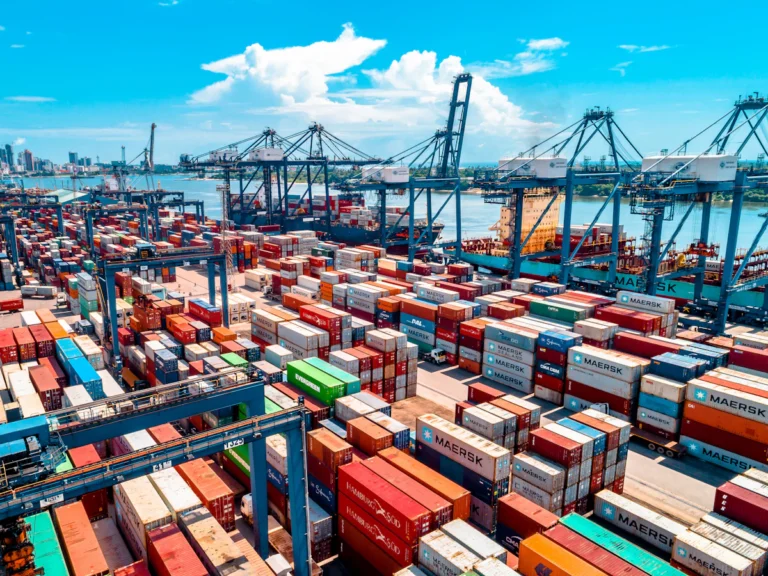
We supply bales of 33.33 kg or 35 kg. Each bale is wrapped in thin polythene film with a low melting point, so it can go into the mixer without removal. Then bales are stacked on pallets or in crates of 36 bales each.
- 33.33 kg bales: about 1.2 tonnes per pallet or crate.
- 35 kg bales: about 1.26 tonnes per pallet or crate.
- Pallets and crates: shrink-wrapped pallets or wooden crates, with heat-treated wood to ISPM 15 rules.
A 20ft container usually takes 16 pallets. That gives about 19–20 tonnes of Cameroon natural rubber, depending on bale size. Most rubber ships in 20ft containers, because the bales are heavy and dense.
Before loading, we check that the container floor is dry and clean, with no nails or holes. We then add a moisture barrier, such as kraft paper or desiccants, where the route calls for it. This helps prevent condensation damage on long voyages.
We load into clean, dry, odour-free containers at Douala or Kribi. Each pallet carries the grade, lot number, producer mark and net weight. Rubber factories in the South region sit close to Kribi, so that port often suits southern lots well.
Storage and handling of Cameroon natural rubber
Good storage keeps the rubber close to its tested values. Store pallets in a cool, dry, shaded warehouse, off the floor and away from direct sun. Heat and sunlight speed up oxidation, which can make the surface soft and sticky.
Keep rubber away from copper, manganese and their salts, because these metals speed up breakdown. Also, avoid stacking too high, since heavy loads can deform the lower bales. Use stock on a first-in, first-out basis.
Natural rubber also hardens slowly in store, so its plasticity can rise over time. This is normal and well known in the trade. For this reason, many plants retest Po or Mooney on older stock before use. If you hold Cameroon natural rubber for several months, plan a quick check before mixing.
Export documents and EUDR for Cameroon natural rubber
Every shipment travels with a full document set. In short, you receive what customs, your bank and your quality team need:
- Commercial invoice and packing list
- Bill of lading
- Certificate of origin
- Weight and quality certificate from the agreed inspection company
- Lab test results for each production lot
- Phytosanitary or other certificates where the destination requires them
EU Deforestation Regulation (EUDR)
Natural rubber is one of the commodities covered by the EU Deforestation Regulation. Under EUDR, operators who place rubber on the EU market must show it is deforestation-free. In practice, that means it must come from land not deforested after 31 December 2020. It must also be produced legally under the laws of the country of origin.
Operators must also file a due diligence statement, backed by geolocation data for the plots of production. These are duties of the buyer who places the goods on the EU market, not claims we make about a lot. Application dates have changed more than once, so check the current timing with your adviser.
If you buy Cameroon natural rubber for the EU, tell us at inquiry. We will explain what origin and traceability data is available for the lot on offer. Then you can decide if it meets your own due diligence needs before you sign.
How Cameroon natural rubber pricing works
We do not publish fixed prices, because rubber prices move daily. Instead, each offer reflects the market on the day. Many contracts use world rubber futures as a reference point, with a premium or discount for origin and grade.
- World market: futures in Asia set the tone for TSR prices.
- Grade: TSR 10 usually trades above TSR 20.
- Season: wintering cuts supply, which can tighten offers.
- Oil prices: synthetic rubber is made from oil, so it competes with natural rubber.
- Demand: tyre and car output drive most buying.
- Freight and Incoterm: FOB, CFR or CIF, plus the shipment window.
FOB covers goods loaded on board at Douala or Kribi. CFR adds sea freight to your port, while CIF also adds minimum cargo insurance. Our guide to FOB vs CIF explains the trade-offs.
Because the market moves fast, rubber offers often carry a short validity, sometimes only a day or two. So it pays to have your volume, grade and port ready when you ask for a firm price. A quick decision then locks in the offer before the market shifts. In addition, clear details at inquiry help us price Cameroon natural rubber on a like-for-like basis.
How to order from BV Holdings Agro
The process is short and clear. It runs in four main stages:
- 1. Inquiry: you send grade, bale size, volume, destination port, Incoterm and any key limits.
- 2. Offer and sample: we send an offer with lab data, plus a sample where possible.
- 3. Agreement: we both sign a contract with spec, price, Incoterm, payment terms, inspection and shipment window.
- 4. Shipment: we prepare, inspect and load, then release documents per the agreed payment terms.
Payment terms, such as a letter of credit or documentary collection, are agreed per contract. We keep you updated at each stage, from lab results to loading. Our export process page shows each step. New to the origin? Then read how to import from Cameroon first.
Why buy from BV Holdings Agro
- Direct sourcing in Cameroon, so one team in Yaoundé manages your order.
- TSR 10 and TSR 20 offered, with lab data for each lot.
- Pre-loading checks, plus independent inspection at your request.
- Clear answers on traceability data for EU buyers of Cameroon natural rubber.
- Part of BV Holdings PLC, which also runs BV Cocoa Products and BV Metal & Minerals.
Cameroon natural rubber FAQ
What is the difference between TSR 10 and TSR 20?
TSR 10 has lower dirt and ash limits and a higher minimum PRI. TSR 20 allows a little more dirt, so it usually costs less. Both grades suit tyres. However, TSR 10 is often chosen for treads and demanding parts, while TSR 20 suits general compounds and high-volume lines. Tell us your end use, and we will suggest the grade that fits.
How is Cameroon natural rubber packed?
Bales weigh 33.33 kg or 35 kg and come wrapped in low-melt polythene film. We stack 36 bales on each pallet or in each crate, giving about 1.2 or 1.26 tonnes. Pallets use heat-treated wood, and each one is marked with grade, lot and weight. Private shipping marks can be added on request.
How much fits in one container?
A 20ft container usually takes 16 pallets, or about 19–20 tonnes, depending on bale size. Most buyers use 20ft containers for rubber, because the bales are dense and reach weight limits quickly. We confirm the pallet count and net weight in each offer and on the packing list. A 40ft container is possible, but weight limits usually make 20ft the better choice.
Do you share lab results before loading?
Yes. Each production lot is tested for dirt, ash, nitrogen, volatile matter, Po and PRI. We share the results before loading, so you can check them against your contract. Mooney viscosity can be added on request. You may also nominate an independent inspector to sample the lot. Their report then travels with the documents for Cameroon natural rubber.
Does EUDR apply to Cameroon natural rubber?
Yes. Natural rubber is a covered commodity under the EU Deforestation Regulation. The duties fall on the operator who places it on the EU market, including due diligence and plot geolocation. We do not claim EUDR compliance for any lot. Instead, we explain what traceability data is available before you sign. That way, you can judge it against your own due diligence process.
Which ports do you ship from?
We load at Douala or Kribi. Douala is Cameroon’s main port, with frequent services to Europe, Asia and the Americas. Kribi is a deep-water port close to rubber zones in the South region. We choose the port with you, based on lot location, vessel options and your shipment window. Either way, Cameroon natural rubber reaches the quay in sealed, inspected containers.
How are prices for Cameroon natural rubber set?
Prices follow the world rubber market on the day, often with reference to futures in Asia. Then grade, season, freight and Incoterm adjust the final figure. We do not publish fixed prices. Instead, each offer states the price basis and validity, so you can compare it with other origins. Volume and contract length can also affect the offer.
What is the minimum order?
Our minimum order is one 20ft container, which holds about 19–20 tonnes. We also quote repeat loads on a monthly or seasonal plan. If you are testing the origin, start with one container of the grade you use most. Then we can build a regular program once your plant approves the material.
Related commodities

One arm of BV Holdings PLC
BV Holdings Agro is the agricultural export company of BV Holdings PLC, alongside BV Cocoa Products and BV Metal & Minerals.
Request a Cameroon natural rubber quote
Ready to buy? Then request a quote for Cameroon natural rubber with your grade, volume and destination port. You may also need our cotton lint or hardwood charcoal .