Cameroon Hardwood Charcoal exported to your specification
BV Holdings Agro supplies Cameroon hardwood charcoal in lump form for BBQ, restaurant and industrial buyers. We only ship legally sourced lots with the required forestry, transport and export documents.
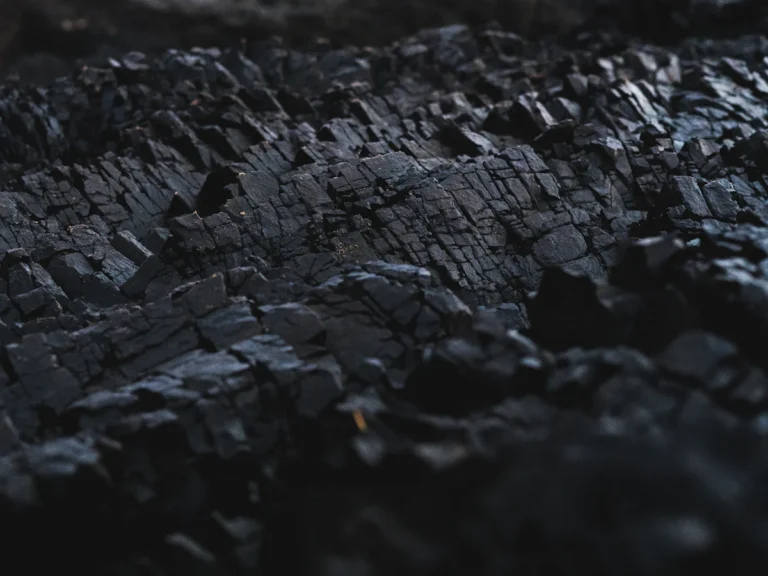
BV Holdings Agro exports Cameroon hardwood charcoal in lump form to BBQ brands, restaurant suppliers, wholesalers and industrial users. We only ship legally sourced lots that carry the required forestry, transport and export documents. If a lot lacks those papers, we do not ship it.
Our charcoal comes from dense tropical hardwoods. As a result, it burns hot and long, with steady heat for grills and ovens. Every lot is screened, bagged and checked, then loaded at Douala or Kribi on FOB, CFR or CIF terms.
This page covers where the charcoal comes from, typical specs, grades and our checks. It also explains packing, safe shipping, export papers, EU and US legality rules, pricing and how to order. For related goods, see our industrial products.
Where Cameroon hardwood charcoal comes from
Southern Cameroon is covered by large areas of tropical forest. The Centre, South and East regions hold much of this forest, and charcoal is made there from dense hardwood. In these zones, producers carbonise wood in kilns, then bag the lumps for local markets or export.
Legal sourcing comes first for us. Cameroon’s forestry rules control who may cut wood, where and how much. They also control how wood products such as charcoal are moved and exported. So we buy only lots backed by the documents that the law requires for each stage.
What legal sourcing means for you
For a buyer, legal sourcing is not only an ethical point. It also protects your shipment at customs and your brand with retailers. Many retailers now ask for proof that charcoal comes from legal sources. So we keep copies of the forestry, transport and export papers for each lot of Cameroon hardwood charcoal. You can review them before you sign, and they travel with the shipping documents.
How charcoal is made
Charcoal is made by heating wood with very little air. First, producers stack the wood in a kiln. Next, they light it and limit the air, so the wood chars instead of burning to ash. This process drives off water and gases and leaves mostly carbon. Finally, the kiln cools before the charcoal is taken out.
Kiln type and skill shape the final quality. A well-run burn gives hard, ringing lumps with high fixed carbon. By contrast, a rushed burn can leave half-charred wood that smokes when lit. For this reason, we screen lots for under-burnt pieces before they are bagged.
Supply and seasons
Production can slow in the heavy rains, because wet roads and damp wood make work harder. Supply of Cameroon hardwood charcoal is often easier in the drier months. We confirm volumes and shipment windows in each offer. Our Cameroon harvest calendar shows the main seasons across the country.
Typical specification of Cameroon hardwood charcoal
The table shows typical values for export lots. Your contract can set tighter limits where your market needs them.
| Parameter | Cameroon hardwood charcoal: typical value |
|---|---|
| HS code | 4402.90 |
| Type | Hardwood lump charcoal |
| Fixed carbon | 75% min |
| Ash | 4% max |
| Moisture | 6% max |
| Volatile matter | 18% max |
| Calorific value | 7,000–7,500 kcal/kg |
| Lump size | 30–150 mm, or as agreed |
| Fines (under 20 mm) | 5% max |
Final specifications are confirmed in each contract and verified before loading. In addition, we can add lab tests for carbon, ash, volatiles and heat value on request.

Grades of Cameroon hardwood charcoal: how to choose
Charcoal buyers mainly choose by lump size and use. We offer three common grades, sorted by screen:
- Restaurant grade: larger lumps, often about 50–150 mm, for grills, tandoors and charcoal ovens that need long burn time.
- BBQ retail grade: mixed lumps, often about 30–100 mm, for bagged consumer charcoal.
- Industrial grade: smaller sizes and lumps by agreement, for heat users that do not need large pieces.
So, which grade suits you? If you supply restaurants, choose large, even lumps that light well and burn long. However, if you pack consumer bags, a mixed lump size often gives better value. For industrial use, a consistent size and low fines matter more than lump shape.
Fines are a key point in every grade. Small pieces and dust add weight but burn too fast. Therefore, we screen out fines before bagging and set a fines limit in the contract. Tell us your target size bands at inquiry, and we will screen Cameroon hardwood charcoal to match.
Samples help most at this stage. Before you sign, ask for a sample of the grade and bag you plan to buy. Then light it, time the burn and check the ash yourself. An approved sample sets a clear reference for the inspector at loading.
Quality control for Cameroon hardwood charcoal before loading
We follow five checkpoints for every lot. First, we check the legal documents for the lot before we buy. Second, we store bags off the ground in covered, dry warehouses. Third, we sample and test against your contract. Fourth, we screen, bag and mark each lot with a lot number. Finally, inspection and loading take place at Douala or Kribi.
What we check
- Fixed carbon: the share of carbon left after volatiles and ash. Higher means more heat per kilo.
- Ash: mineral residue after burning. High ash means more cleaning for the user.
- Moisture: damp charcoal is hard to light and adds weight.
- Volatile matter: high values point to under-burnt wood, which smokes.
- Lump size and fines: checked by screen against the agreed bands.
- Foreign matter: stones, sand, soil and uncharred wood are removed.
Lab tests on Cameroon hardwood charcoal follow common test methods for wood charcoal. In addition, inspectors check bag weights, seams and marks. Buyers may also nominate an inspection company, such as SGS, Bureau Veritas, Intertek or Cotecna. Our quality control page explains each step.
Uses and industries for Cameroon hardwood charcoal
Hardwood lump charcoal gives steady, high heat, so it serves several trades:
- BBQ brands and retailers: bagged lump charcoal for grills and outdoor cooking.
- Restaurant suppliers: grills, tandoors, rotisseries and charcoal ovens.
- Wholesalers and importers: bulk bags for repacking under their own labels.
- Industry: small foundries, smiths and other users of clean heat.
- Traders: container loads for onward sale to regional markets.
Many buyers like lump charcoal because it is pure charred wood, with no binders. As a result, it lights fast and leaves little ash when well made. The FAO also publishes guidance on legal and sustainable charcoal value chains, which some buyers use in their own sourcing policies.
Some buyers also use one origin for steady quality across seasons. In that case, a regular program of Cameroon hardwood charcoal helps. You get the same grade, bag and label on each load, which keeps your retail range consistent.

Packaging, loading and safe shipping
We pack Cameroon hardwood charcoal in 3, 5, 10, 15 or 25 kg kraft paper or polypropylene bags. Private label is possible on request.
- Small bags (3–5 kg): for retail shelves, often in printed kraft paper.
- Medium bags (10–15 kg): for restaurants and catering.
- Large bags (25 kg): for wholesalers, repackers and industry.
Charcoal is light for its volume, so containers fill by space before weight. As a guide, a 20ft container takes roughly 7–9 tonnes, while a 40ft high-cube takes about twice that. For this reason, many buyers choose 40ft high-cube loads for better freight value.
Bags are usually floor-loaded by hand to use every bit of space. On request, we can palletise retail bags instead, which speeds up unloading at your warehouse. However, pallets take space, so the net weight per container drops.
Self-heating and carrier rules
Charcoal can self-heat if it is packed hot or damp. Shipping lines therefore treat it with care. Many carriers ask for a test certificate showing the cargo passes the UN self-heating test. Otherwise, it may have to ship as dangerous goods under UN 1361, class 4.2.
So we make sure each lot is fully cooled and aged before bagging. Then we confirm the carrier’s current rules before we book space. Containers are clean, dry and free of odours, and we load quickly once the cargo is cleared.
Storage and handling of Cameroon hardwood charcoal
Good storage keeps charcoal dry, whole and safe. Store bags in a dry, covered and well-aired warehouse, off the floor and away from rain. Damp charcoal is hard to light, and it can break down into fines when handled.
Fire safety matters too. Keep stacks away from heat, sparks, hot work and smoking areas. Also, leave space between stacks and walls so air can move. If you ever notice a warm spot in a stack, move those bags out and check them at once.
Handle bags with care during unloading. Rough handling breaks lumps and raises the share of fines, which your customers notice. For this reason, we pack Cameroon hardwood charcoal in strong bags, and we ask your team to avoid throwing or dropping them.
Export documents and EUDR for Cameroon hardwood charcoal
Every shipment travels with a full document set. In short, you receive what customs, your bank and your compliance team need:
- Commercial invoice and packing list
- Bill of lading
- Certificate of origin
- Forestry, transport and export permits for the lot, as required under Cameroon law
- Weight and quality certificate from the agreed inspection company
- Self-heating test certificate, where the carrier requires it
- Phytosanitary certificate, where the destination requires it
EU Deforestation Regulation (EUDR)
The EU Deforestation Regulation covers wood and many wood products, including wood charcoal. Under EUDR, operators who place charcoal on the EU market must show it is deforestation-free. For wood, that also means the wood was harvested without causing forest degradation after 31 December 2020. In addition, it must be produced legally under the laws of the country of origin.
Operators must also file a due diligence statement, backed by geolocation data for the plots where the wood was cut. These are duties of the EU buyer, not claims we make about a lot. Application dates have changed more than once, so check current timing with your adviser.
If you plan to sell Cameroon hardwood charcoal in the EU, tell us at inquiry. We will explain what legality and origin data is available for the lot on offer. Then you can judge it against your own due diligence before you sign.
Other markets
Other markets have legality rules too. For example, the US Lacey Act bans trade in illegally harvested plant products, and wood charcoal imports may need a plant product declaration. Your customs broker can confirm the rules for your country. HS headings follow the WCO Harmonized System, although national tariffs add extra digits.
How Cameroon hardwood charcoal pricing works
We do not publish fixed prices, because costs and demand change with the season. Instead, each offer reflects the market on the day. The main drivers are:
- Grade and size: restaurant grade with large lumps takes more screening.
- Packing: small printed bags cost more per tonne than 25 kg bags.
- Season: heavy rains can slow production and transport.
- Documents: the legality and test papers your market needs.
- Freight: charcoal is bulky, so freight is a large share of CFR and CIF prices.
- Volume and timing: full 40ft loads and repeat orders help.
FOB covers goods loaded on board at Douala or Kribi. CFR adds sea freight to your port, while CIF also adds minimum cargo insurance. Our guide to FOB vs CIF explains the trade-offs.
To get a sharp offer, share as much detail as you can. Useful facts include grade, bag size, labels, test list, port and shipment month. With clear inputs, we can price Cameroon hardwood charcoal on a like-for-like basis, so you can compare offers fairly.
How to order from BV Holdings Agro
The process is short and clear. It runs in four main stages:
- 1. Inquiry: you send grade, bag size, labels, volume, destination port, Incoterm and any legality needs.
- 2. Offer and sample: we send an offer, plus a sample where possible.
- 3. Agreement: we both sign a contract with spec, price, Incoterm, payment terms, inspection and shipment window.
- 4. Shipment: we prepare, inspect and load, then release documents per the agreed payment terms.
Payment terms, such as a letter of credit or documentary collection, are agreed per contract. We keep you updated at each stage, from sampling to loading. Our export process page shows each step. New to the origin? Then read how to import from Cameroon first.
Why buy from BV Holdings Agro
- Legal sourcing only, with forestry, transport and export documents for every lot.
- Direct sourcing in Cameroon, so one team in Yaoundé manages your order.
- Lots of Cameroon hardwood charcoal screened by size, with a fines limit.
- Pre-loading checks, plus independent inspection at your request.
- Part of BV Holdings PLC, which also runs BV Cocoa Products and BV Metal & Minerals.
Cameroon hardwood charcoal FAQ
Is your Cameroon hardwood charcoal legally sourced?
Yes. We only ship lots that carry the required forestry, transport and export documents under Cameroon law. If a lot lacks them, it does not ship. We check the papers before we buy, and copies travel with the shipping documents. You can also ask to review them before you sign. That gives your compliance team time to check them properly.
Which bag sizes can you offer?
We offer 3, 5, 10, 15 or 25 kg bags in kraft paper or polypropylene. Private label packing is possible on request. Send your artwork early, because printing adds time before loading. Labels must follow your market’s rules, which you confirm before we print. Plain bags are also available for buyers who repack at destination.
Does EUDR apply to Cameroon hardwood charcoal?
Yes. The EU Deforestation Regulation covers wood charcoal. The duties fall on the operator who places it on the EU market, including due diligence and plot geolocation. We do not claim EUDR compliance for any lot. Instead, we explain what legality and origin data is available before you sign. You then judge it against your own due diligence process.
Is charcoal dangerous cargo?
Charcoal can self-heat, so carriers handle it with care. Many ask for a certificate showing the cargo passes the UN self-heating test. Otherwise, it may need to ship as dangerous goods under UN 1361, class 4.2. We confirm the carrier’s rules and prepare the right papers before booking. Each lot of Cameroon hardwood charcoal is cooled and aged before bagging.
How much fits in one container?
A 20ft container usually takes roughly 7–9 tonnes, depending on lump size and bag type. A 40ft high-cube takes about twice that. Because charcoal is bulky, many buyers prefer 40ft high-cube loads for better freight value. We confirm the bag count and net weight in each offer. Small retail bags fit less weight than 25 kg bags.
Which lab tests can you arrange?
We check moisture, lump size, fines and foreign matter on every lot. In addition, an independent lab can test fixed carbon, ash, volatile matter and calorific value. We agree the test list and the lab in the contract. Results are shared before loading, so you decide on real data. Lab costs depend on the tests chosen, and we state them in the offer.
What grade suits restaurants?
Restaurants usually want large, even lumps, often about 50–150 mm, with few fines. These light well and burn long in grills and ovens. We screen restaurant-grade Cameroon hardwood charcoal for size and remove under-burnt pieces, which can cause smoke. Samples help you confirm the grade first.
What is the minimum order?
Our minimum order is one 20ft container. However, many buyers choose 40ft high-cube loads for better freight value. We also quote repeat loads on a monthly or seasonal plan. Once your customers approve the grade, we can build a steady supply program around your peak months. Early booking of Cameroon hardwood charcoal helps before the summer grilling season.
Related commodities

One arm of BV Holdings PLC
BV Holdings Agro is the agricultural export company of BV Holdings PLC, alongside BV Cocoa Products and BV Metal & Minerals.
Request a Cameroon hardwood charcoal quote
Ready to buy? Then request a quote for Cameroon hardwood charcoal with your grade, bag size, volume and port. You may also need our natural rubber or cotton lint .