How to import from Cameroon a 10-step buyer guide
This guide shows how to import from Cameroon in ten clear steps. It covers supplier checks, specs, samples, contracts, payment security, inspection, documents, EUDR and customs at your port.
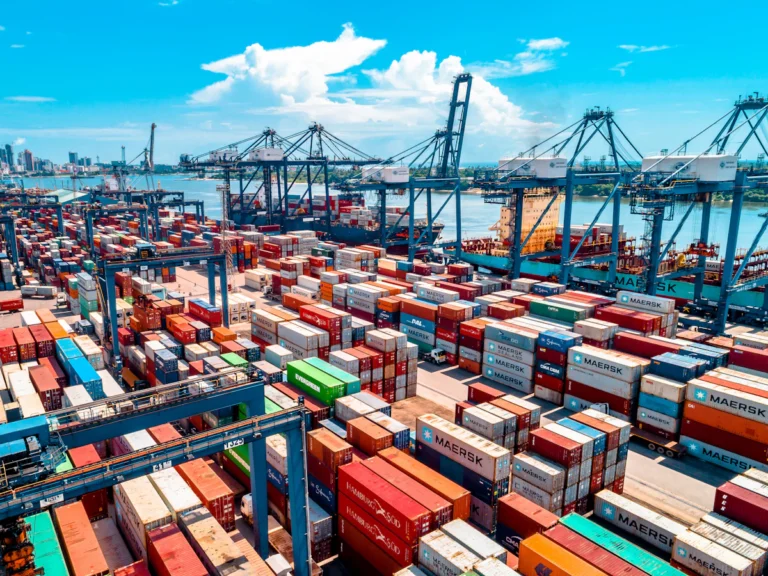
This guide explains how to import from Cameroon, step by step, for buyers who purchase farm commodities in container loads. It follows a real order from the first supplier check to customs clearance at your port. Along the way, it shows what to ask, what to test and which papers to expect.
Cameroon is a reliable source of cocoa, coffee, sesame, cashew, spices, palm products and grains. However, first shipments can feel daunting. There are new names to learn, such as ONCC and MINADER, and new rules, such as the EU Deforestation Regulation. The good news is that the process is logical once you see it laid out.
We are a Cameroon export trading house, so we see these steps every week from the seller’s side. Below, we share how to import from Cameroon from the buyer’s side, with tips that save time and protect your money.
How to import from Cameroon in 10 steps
Here is the whole journey at a glance. Each step has its own section below.
- Check the supplier.
- Write a clear product specification.
- Request and test samples.
- Agree and sign the contract.
- Secure the payment.
- Book freight and insurance, as your Incoterm requires.
- Inspect the goods before loading.
- Receive the export documents.
- Meet buyer-country rules, such as EUDR.
- Clear customs and collect the cargo at your port.
Steps 1 to 5 happen before any goods move. In practice, they decide most of the outcome. So if you are learning how to import from Cameroon, spend most of your effort here.
Step 1: check the supplier
Any guide on how to import from Cameroon should start with the seller. A good supplier check is simple and fast. You want to know who you are dealing with, where they operate and how they ship.
- Company identity: ask for company registration and export documents. We provide ours during supplier onboarding, on request.
- Physical presence: check the office address and phone. Ours is Montée Mech Cam, Yaoundé, with phone and WhatsApp +237 6 73 43 34 67.
- Group links: see who stands behind the company. BV Holdings Agro is part of BV Holdings PLC.
- Product knowledge: ask about regions, seasons and typical specs. A real exporter answers clearly.
- Honest limits: be wary of anyone who promises any volume, any grade and any certificate, at any time of year.
Also watch for red flags. These include pressure to pay a large deposit by personal transfer, refusal to allow inspection, or “certified” lots with no paperwork. A sound seller welcomes checks, because checks protect both sides.

Step 2: write a clear specification
Every lesson in how to import from Cameroon comes back to the spec. It is the heart of the contract. It tells the seller what to prepare and the inspector what to test. Without it, there is nothing to measure the goods against.
A good spec covers these points:
| Spec item | Example | Why it matters |
|---|---|---|
| Product and form | Cocoa beans; green Robusta; hulled sesame | Sets the HS code and the tests |
| Grade | Grade 1, screen 16+, 5% broken | Defines quality level and price basis |
| Moisture | Max 7.5% (cocoa), max 12.5% (coffee) | Controls mould and weight loss |
| Foreign matter and defects | Max 0.5–1% foreign matter | Protects yield and food safety |
| Product tests | Cut test, bean count, KOR, aflatoxin, oil and FFA | Matches the use and destination limits |
| Packaging | New jute or PP bags, net weight per bag | Affects handling and container load |
| Crop year | Latest crop | Freshness and stability |
Each of our product pages gives a typical specification as a starting point. For example, see Cocoa Beans, Green Robusta Coffee or Sesame Seeds. Final specifications are confirmed in each contract and verified before loading.
Step 3: request and test samples
Samples turn a spec on paper into something you can see, smell and test. Samples and offers follow an inquiry, so send us your product, grade, volume, destination port and Incoterm first.
Then, when the sample arrives, test it in your own lab or with a lab you trust. Compare the result with the spec you need. If the sample is close but not exact, discuss the gap before you sign. For example, you may accept a slightly higher bean count if the cut test is strong.
Keep in mind that a pre-shipment sample shows the type of goods, not the exact lot you will receive. That is why the inspection in step 7 matters. Buyers who understand how to import from Cameroon treat the sample as a guide and the inspection as the proof.
Step 4: agree and sign the contract
The contract turns the offer into a firm deal. Our contracts state the spec, price, Incoterm, payment terms, inspection method and shipment window. Both sides sign before any goods are prepared.
Choose your Incoterm
We quote FOB Douala or Kribi, CFR to your destination port, or CIF to your destination port. Under FOB, you book the vessel and insure the cargo. With CFR, we book the freight and you insure. Under CIF, we arrange freight and minimum cargo insurance. Our FOB vs CIF guide explains the trade-offs with port examples.
Set the shipment window
Match your shipment window to the crop. A window that ignores the harvest is hard to fill. So check the Cameroon harvest calendar before you agree dates. A one- or two-month window also leaves room for vessel schedules.
Agree how disputes are handled
Many commodity contracts refer to a trade body’s standard terms or to arbitration. Whatever you choose, write down how quality claims are raised and settled. In short, a clear contract is the best part of knowing how to import from Cameroon well.
Step 5: secure the payment
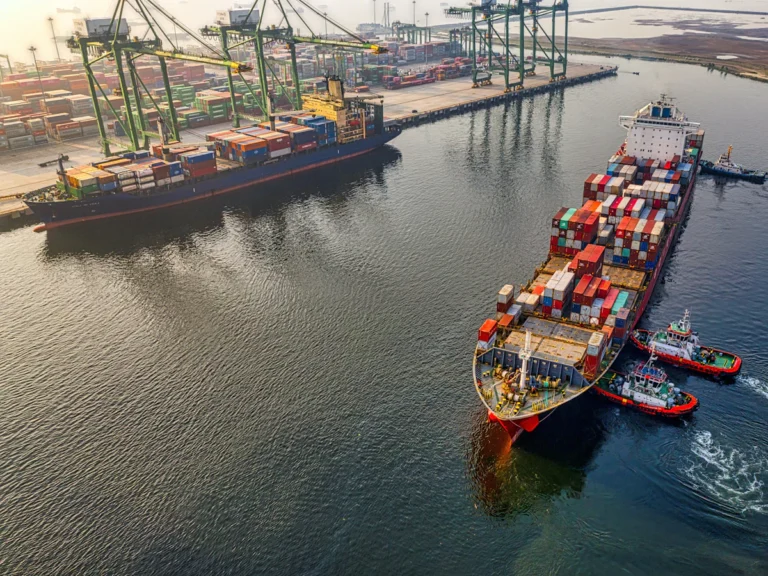
For many buyers, payment is the part of how to import from Cameroon that worries them most. Payment security is something you arrange, and the method is agreed in the contract. The three common choices are below. In each case, the export documents are released according to the payment terms.
| Method | How it works | Good for |
|---|---|---|
| Letter of credit (LC) | Your bank promises payment when the seller presents compliant documents. LCs usually follow the ICC rules known as UCP 600. | New relationships and larger orders |
| Documentary collection | Banks exchange the documents for payment (D/P) or for an accepted bill (D/A), usually under URC 522. Banks do not guarantee payment. | Buyers and sellers with some trust |
| Other agreed terms | For example, part payment with the balance against documents. Terms are set in each contract. | Repeat business |
An LC gives strong protection, but it is strict. Any mismatch between the documents and the LC terms can delay payment. Therefore, share your draft LC with us before you open it. That simple step avoids most discrepancies.
Step 6: book freight and insurance
Freight is where how to import from Cameroon meets the shipping market. Who books the ship depends on the Incoterm. Under FOB, you or your freight forwarder book space with a line calling at Douala or Kribi. Under CFR or CIF, we book it. Either way, confirm the vessel, the cut-off date and the free days at your destination.
Insurance follows the same logic. Under CIF, we buy minimum cover for your benefit. However, many buyers add wider “all risks” cover, because minimum cover is limited. Under FOB and CFR, you arrange cover from the moment the goods are on board.
Step 7: inspect before loading
Inspection is the safety net in how to import from Cameroon. It checks that the lot matches the contract before it leaves. Our own quality checks run first. They include moisture and foreign matter for all products, plus product tests such as the cut test for cocoa, screen and defects for coffee, and aflatoxin for maize and grains.
In addition, you can nominate an independent inspection company, such as SGS, Bureau Veritas, Intertek or Cotecna. The inspector samples the bags, checks weight and quality, and seals the container. Cocoa and coffee export lots are also subject to quality control by Cameroon’s National Cocoa and Coffee Board (ONCC). Our quality control page shows every checkpoint.
Step 8: receive the export documents
Documents are the paper side of how to import from Cameroon. Your bank needs them for payment, and your customs broker needs them for clearance. A typical set includes:
- Commercial invoice and packing list.
- Bill of lading.
- Phytosanitary certificate, issued by MINADER plant protection.
- Certificate of origin.
- Weight and quality certificate from the agreed inspection company.
- Fumigation certificate, where required.
- ONCC export quality certificate, for cocoa and coffee.
- Lab reports, such as aflatoxin, pesticide residue, microbiological or oil content, where agreed.
Check the draft documents before the originals are issued. Names, addresses, weights and HS codes must match your LC and your import permit. Our export documents page explains each paper in more detail.
Step 9: EUDR and how to import from Cameroon into the EU
The EU Deforestation Regulation (EUDR) covers cocoa, coffee, palm oil, rubber, soy, wood and cattle, plus many products made from them. It is one of the biggest changes in how to import from Cameroon into Europe.
Under the EUDR, the operator who places the goods on the EU market must file a due diligence statement. That statement needs the geolocation of the plots where the crop was grown. It must also show the land was not deforested after 31 December 2020, and that the goods were produced legally.
The dates have moved more than once. At the time of writing, the rules apply from 30 December 2026 for large and medium firms, and from 30 June 2027 for most micro and small firms. Please check the current dates, because the EU keeps the rules under review. We do not make EUDR compliance claims. Instead, tell us your data needs in your first inquiry, so we can plan what is possible for your lot.
Other markets
Other markets shape how to import from Cameroon too, with their own rules. For example, US food importers must file FDA prior notice before arrival. The UK uses its own import controls for plant products. Many Asian markets ask for an import permit or a registered importer. So, whatever your market, list its rules when you inquire.
Step 10: customs, the last step in how to import from Cameroon
This final step happens at your end. Your customs broker lodges the import declaration, pays duties and taxes, and arranges any official checks. Then you collect the goods from the terminal.
- HS code: confirm the tariff code for your product with your broker. The World Customs Organization explains the HS system.
- Trade preferences: Cameroon has an interim Economic Partnership Agreement with the EU and a similar agreement with the UK. Preference needs valid proof of origin, so ask your broker what applies.
- Official checks: some foods face extra controls at the border, for example for aflatoxin. Check the current lists for your market.
- Free time: know how many free days the line gives before demurrage and detention charges start.
In short, when you plan how to import from Cameroon, prepare your broker before the ship arrives. Send them the draft documents early, so clearance starts the day the vessel docks.
A worked example: how to import from Cameroon, one container of sesame
Steps are easier to follow with a story. So here is how to import from Cameroon in practice, using a simple sesame order. The timings are typical, not promises.
- September: a buyer in Europe checks the harvest calendar and sees the sesame crop comes in from October. They send an inquiry for one 20ft container of natural sesame, CIF their port.
- October: they receive an offer and a sample. Their lab checks purity, oil content and free fatty acids. The result is close to their spec, so both sides agree final limits.
- Early November: the contract is signed, with a December shipment window. The buyer opens an LC, after sharing the draft with us.
- Late November: new-crop lots arrive from the North. We clean, test and pack them in new bags with lot numbers.
- December: the nominated inspector samples the lot and seals the container. The goods load at Douala, and the documents go to the banks.
- Arrival: the broker clears customs with the documents sent ahead. The buyer collects the container within the free days.
Notice how the work is front-loaded. By the time the goods move, every big decision has been made. That is the real secret of how to import from Cameroon smoothly. You can see the sesame spec on our Sesame Seeds page.
Mistakes to avoid when you learn how to import from Cameroon
Most problems we see are simple to prevent. Here are the common ones, so you have a checklist too.
- Asking for shipment outside the crop season.
- Signing a contract with no moisture or defect limits.
- Opening an LC before checking its terms with the seller.
- Choosing CIF without checking what minimum insurance covers.
- Forgetting EUDR or other buyer-country data until the goods are ready.
- Leaving the customs broker out until the vessel arrives.
- Ordering less than a full container. We sell container loads only, from one 20ft container.
Why buy from BV Holdings Agro
- Part of BV Holdings PLC, with an office in Yaoundé.
- Sourcing from producer groups and aggregators in the main growing regions.
- Pre-loading quality checks, plus independent inspection at your request.
- Loading at Douala or Kribi, with FOB, CFR or CIF quotes.
- Full export documentation with every shipment.
We sell across nine categories, including Cocoa Products, Green Coffee, Spices and Nuts & Kola. Our six-step export process mirrors this guide on how to import from Cameroon, from inquiry to shipment.
How to import from Cameroon: FAQ
What is the first step in how to import from Cameroon?
Start with a supplier check. Ask for company registration and export documents, confirm the office address and phone, and ask about regions and seasons. Then send an inquiry with your product, grade, volume, destination port and Incoterm. Samples and offers follow the inquiry, so a clear first message speeds up every later step.
What is the minimum order?
Our minimum order is one 20ft container. Larger orders can use 40ft containers or be spread across a season. We do not sell retail quantities. The net weight per container depends on the product and bag size, and each product page gives an approximate load as a guide for planning.
Which payment methods are common?
Buyers often use a letter of credit or a documentary collection. Other terms, such as part payment against documents, can also be agreed. The method is set in each contract. Whatever you choose, the export documents are released according to the payment terms, so your bank and our bank handle the exchange.
Can I send my own inspector?
Yes. Independent third-party inspection can be arranged at your request. Buyers often nominate SGS, Bureau Veritas, Intertek or Cotecna. The inspector samples the lot, checks weight and quality against the contract, and issues a certificate. That certificate then travels with the other export documents.
Does the EUDR affect how to import from Cameroon?
Yes, if you sell into the EU and buy cocoa, coffee, palm oil, rubber, soy or wood products. The EU operator must file a due diligence statement with plot geolocation and proof of legal, deforestation-free production. We do not make EUDR compliance claims, so tell us your data needs early in your inquiry.
Which documents will I receive?
A typical set includes the commercial invoice, packing list, bill of lading, phytosanitary certificate and certificate of origin. You also receive a weight and quality certificate, a fumigation certificate where required and an ONCC certificate for cocoa and coffee. Lab reports can be added where agreed in the contract.
How long does an order take?
Timing is the hardest part of how to import from Cameroon to predict. It depends on the season, the product and the payment method. Offers and samples come first, then the contract and payment security. After that, preparation, inspection and loading follow. Sea transit then depends on your route. We agree a shipment window in each contract, so you know when the goods will load.
Do you hold organic or Fairtrade certification?
No. We do not claim Organic, Fairtrade or Rainforest Alliance certification. We also do not supply certified lots we cannot document. If you need specific lab tests, such as aflatoxin or pesticide residues, list them in your inquiry. We can then agree them in the contract and include the reports with the documents.

One arm of BV Holdings PLC
BV Holdings Agro is the agricultural export company of BV Holdings PLC, alongside BV Cocoa Products and BV Metal & Minerals.
Start your first import from Cameroon
Send your product, volume, port and Incoterm, and we will reply with an offer and sample.