Cameroon Sesame Seeds exported to your specification
BV Holdings Agro supplies Cameroon sesame seeds in natural white, hulled white and mixed grades for crushers, bakeries and food makers. We load container lots at Douala or Kribi with full export papers.
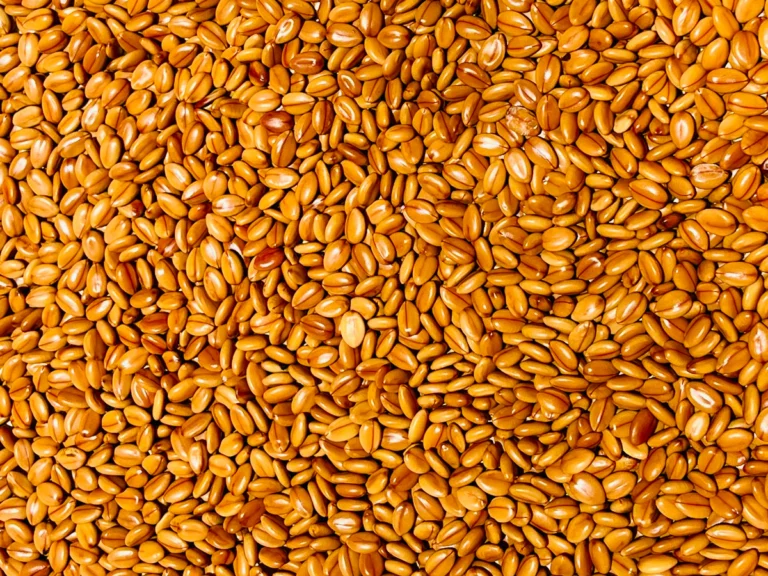
BV Holdings Agro exports Cameroon sesame seeds in natural white, mixed and hulled grades for oil mills, food makers and traders. Our lots come from the North, Far North and Adamawa regions, where sesame thrives in hot, dry savannah. We buy from producer groups and aggregators, then clean, test and consolidate each lot for export.
This page works as a buyer’s guide as well as a product page. It covers where the crop grows, typical specs, grades, testing, aflatoxin limits by market, packing, documents and pricing. So you can judge an offer before you even ask for one.
We load container lots at Douala or Kribi on FOB, CFR or CIF terms. In addition, every offer states the grade, packing and Incoterm in plain words, because clear terms prevent disputes later.
Where Cameroon sesame seeds are grown
Most Cameroon sesame seeds come from the northern savannah belt. The main zones lie in the North and Far North regions, with smaller output in Adamawa. Here the rainy season is short, while the dry season is long and hot. Sesame suits these conditions well, because it copes with drought once the plants are established.
Farmers sow at the start of the rains, usually around June or July. The plants then grow for about three to four months. Harvest runs mainly from October to December, as the dry season begins. As a result, fresh-crop seed reaches export markets late in the year and early in the next. Our Cameroon harvest calendar shows how sesame fits with other crops.
Harvest and post-harvest handling
Sesame pods split open as they dry, so ripe seed can drop to the ground. For this reason, farmers cut the stalks just before full ripeness. They tie them in bundles and stand them upright to dry in the sun. Then they turn the bundles over and shake or beat out the seed onto tarpaulins.
After threshing, the seed still carries chaff, sand and small stones. Therefore, aggregators clean it by winnowing and sieving before sale. We then dry and store the seed off the ground in covered warehouses. This keeps moisture low and protects the oil until loading.
Sesame in Cameroon is mostly a smallholder crop. Families grow it on small plots, often alongside sorghum, millet, cotton or groundnuts. Because many farms feed one export lot, consolidation and cleaning matter a great deal. For this reason, we grade Cameroon sesame seeds at collection points, so mixed quality does not reach the export bag.
Typical specification of Cameroon sesame seeds
The table shows typical values for natural white sesame, which falls under HS 1207.40 in the WCO Harmonized System. Hulled and mixed lots follow their own grade sheet, which we send with the offer.
| Parameter | Cameroon sesame seeds: typical value |
|---|---|
| HS code | 1207.40 |
| Grades | Natural white, mixed, hulled white (on request) |
| Purity | 98% to 99% (hulled: 99.95%) |
| Admixture | 1% to 2% max. |
| Moisture | 8% max. (hulled: 6% max.) |
| Oil content | 48% to 52% |
| Free fatty acid | 2% max. |
| Colour | White to off-white; mixed lots vary |
| Aflatoxin | To your destination limit; tested on request |
| Salmonella | Absent in 25 g for food lots, tested on request |
| Crop | Latest crop |
Final specifications are confirmed in each contract and verified before loading.
Purity and admixture are two sides of one number. For example, “99/1” means 99% pure seed and 1% admixture. Admixture covers sand, stones, chaff, other seeds and damaged seed. The lower it is, the less weight your plant loses in cleaning.

Grades of Cameroon sesame seeds and how to choose
Each grade suits a different buyer. So the right choice depends on what you make and what your own customers check.
- Natural white (99/1 or 98/2): whole, unhulled seed for oil pressing, roasting, sweets and re-cleaning plants.
- Mixed: white and light brown shades blended together, mainly for crushing and oil.
- Hulled white: seed with the husk removed, for bakery toppings, bars and tahini. We confirm availability per inquiry.
Crushers often choose mixed or natural seed, because oil yield matters more than colour. Bakeries and tahini makers, however, want bright, even seed with very low admixture. Meanwhile, re-cleaning plants in importing countries may buy 98/2 seed and upgrade it themselves.
When you compare offers, look at four points first: purity, moisture, oil content and colour. Then ask how the lot was cleaned and when it was harvested. Buyers who want a steady supply of Cameroon sesame seeds can also plan contracts across the season. Fresh-crop Cameroon sesame seeds usually show better colour and lower FFA than old-crop seed. That difference matters most for food buyers.
Quality control and testing before loading
We test every lot against the contract before it moves to port. Our checks follow five steps: buy in region, dry and store, sample and test, clean and pack, then inspect and load. You can read the full method on our quality control page.
What we check on each lot
- Moisture: we use a calibrated meter, because wet seed can mould and heat.
- Purity and admixture: we sieve and hand-sort a weighed sample, then weigh each fraction.
- Colour and damage: we look for discoloured, shrivelled or insect-damaged seed.
- Oil and FFA: a lab measures oil content and free fatty acid on request.
- Foreign matter: we remove stones, sand and chaff in cleaning, then check again.
How we sample a lot
Fair sampling matters as much as the test itself. Therefore, the sampler draws small amounts from many bags across the lot with a sampling spear. The sampler then combines, mixes and divides these portions into a lab sample, a buyer sample and a reference sample. This way, results for Cameroon sesame seeds reflect the whole lot, not one bag.
Food safety tests on request
Food buyers often need more than grade tests. For example, labs can test Cameroon sesame seeds for aflatoxin, salmonella and pesticide residues. EU buyers may also ask for an ethylene oxide screen, since EU border checks have targeted that residue in sesame. We agree each test, method and limit in the contract.
In addition, you can nominate an inspection company such as SGS, Bureau Veritas, Intertek or Cotecna. The inspector then samples the lot, watches loading and issues the weight and quality certificate.
Aflatoxin limits for Cameroon sesame seeds by market
Aflatoxins are toxins made by moulds, mainly Aspergillus flavus. They can form when seed stays damp in the field or in store. Limits differ from one market to the next, so we always write your limit into the contract.
- European Union: Regulation (EU) 2023/915 sets 2 µg/kg aflatoxin B1 and 4 µg/kg total for oilseeds sold for direct human use. Seed that will be sorted first has higher levels of 8 µg/kg B1 and 15 µg/kg total.
- Japan: a limit of 10 µg/kg total aflatoxins applies to all foods.
- United States: the FDA uses an action level of 20 ppb (µg/kg) total aflatoxins for most foods.
- Other markets: many countries follow Codex guidance or their own national standard, so check yours with your importer.
Seed for crushing into refined oil can fall under different rules, because refining removes most aflatoxin. Even so, crushers often set their own limits for the cake. Therefore, tell us the end use and destination, and we will plan sampling and testing to match.
Good handling keeps aflatoxin low in the first place. So we buy dry seed, store it off the ground and avoid long storage through damp months. As a result, Cameroon sesame seeds from our lots start the voyage in the best possible condition.
Uses and industries for Cameroon sesame seeds
Sesame is one of the world’s oldest oilseed crops, and buyers use it in many ways. The FAO also tracks sesame among the main oil crops grown across Africa and Asia.
- Oil mills: press seed for cold-pressed or refined sesame oil, while the cake goes to feed.
- Tahini and halva makers: grind hulled or roasted seed into paste and sweets.
- Bakeries: use clean white seed on buns, breads and crackers.
- Confectionery and snacks: make sesame bars, brittle and coated nuts.
- Asian food makers: roast seed for oil, sauces and seasonings.
- Traders and re-cleaners: buy natural seed, then sort and repack it for local markets.
Each use sets its own quality needs. For example, an oil mill cares about oil content and FFA, while a bakery cares about colour and admixture. Tell us your end use, so we can match you with Cameroon sesame seeds that fit it.
Crushing also leaves sesame cake, a protein-rich by-product. Feed mills use it in rations for cattle, poultry and fish. So one lot of seed can serve both the food chain and the feed chain.
Packaging, loading and container capacity
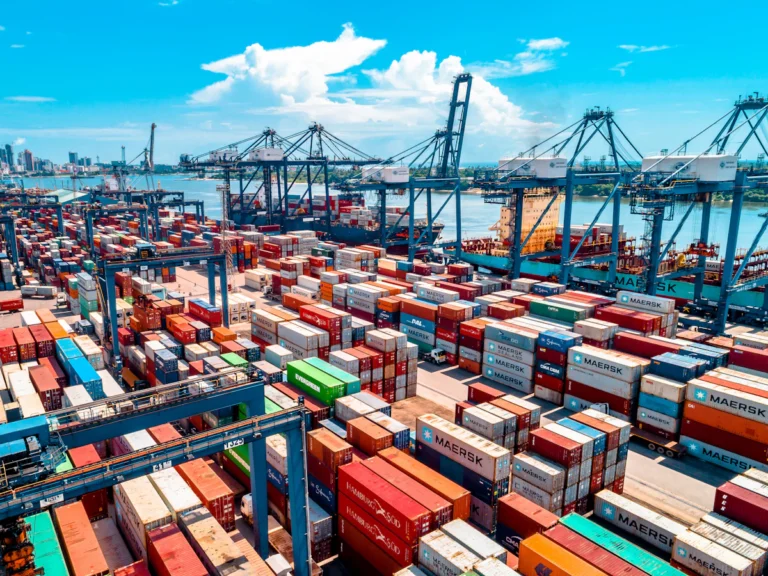
We pack sesame in new 25 kg or 50 kg polypropylene bags, marked for export with a lot number. Other bag sizes are possible by agreement. Then the bags go into clean, dry, odour-free 20ft or 40ft containers at Douala or Kribi.
- 20ft container: about 18 to 19 MT of natural seed, depending on bag size.
- 40ft container: about 25 MT, because weight limits apply before space runs out.
- Fumigation: standard before loading, with a certificate where the buyer or destination requires it.
- Protection: kraft paper lining or desiccant on request, to limit condensation at sea.
Cameroon sesame seeds travel well, because the seed is small, dry and stable. However, heat and damp in transit can still raise FFA. For this reason, we load only containers that pass a dry, clean check.
Storage and shelf life
Sesame keeps well when it stays cool and dry. In good storage, natural seed holds its quality for many months. However, high heat and humidity speed up FFA rise and rancid flavours. So we advise buyers to store Cameroon sesame seeds off the floor and away from walls, in a ventilated warehouse. Hulled seed is more delicate, so plan to use it sooner.
Export documents and compliance for Cameroon sesame seeds
Every shipment travels with a full document set. We prepare the papers for Cameroon sesame seeds with the exact grade, weight and HS code. We then release them according to the payment terms in your contract.
- Commercial invoice and packing list
- Bill of lading
- Phytosanitary certificate from MINADER plant protection
- Certificate of origin
- Weight and quality certificate from the agreed inspection company
- Fumigation certificate where required
- Lab reports for aflatoxin, pesticide residues, salmonella or oil content, where agreed
Destination rules also matter. For example, EU importers face checks on pesticide maximum residue levels (MRLs) and aflatoxin at the border. Some countries also need an import permit before the seed ships. So please share your import rules early, and we will match the documents to them. Our export process page shows each step.
How pricing works
We do not publish fixed prices, because sesame prices move with the market. Instead, each offer reflects conditions on the day you send your inquiry. We quote Cameroon sesame seeds per metric tonne for each container lot, with the Incoterm and port named.
- World supply: crop sizes in the major producing countries of Africa and Asia shape the market.
- Demand: large buyers in Asia and the Middle East set much of the price direction.
- Grade: purity, colour, oil content and natural or hulled form all change value.
- Season: fresh-crop seed often trades differently from old-crop seed.
- Incoterm and freight: FOB, CFR and CIF each include different costs.
- Testing: extra lab tests and inspection add cost, which we agree up front.
Our FOB vs CIF guide explains how each Incoterm changes what you pay for. Payment terms are agreed per contract, for example a letter of credit or documentary collection.
How to order Cameroon sesame seeds from BV Holdings Agro
- 1. Inquiry: send the grade, volume, destination port and Incoterm you need.
- 2. Offer and sample: we reply with a written offer and send a sample for your tests.
- 3. Agreement: we sign a contract that sets the spec, price, Incoterm, payment terms, inspection and shipment window.
- 4. Shipment: we prepare, inspect and load the lot, then release documents per the contract.
The minimum order is one 20ft container, and larger orders can ship over several containers. Before you write, note your target grade, monthly volume, destination port and any lab tests your customers need. With these details, we can reply faster and offer lots that already fit your plan. First-time importers may also find our guide to importing from Cameroon useful.
Why buy from BV Holdings Agro
- Part of BV Holdings PLC, with a team based in Yaoundé.
- One contact from inquiry to shipment, so you always know who to call.
- Pre-loading checks on every lot of Cameroon sesame seeds.
- Your aflatoxin and residue limits written into the contract.
- Independent third-party inspection at your request.
Cameroon sesame seeds FAQ
What is the minimum order for Cameroon sesame seeds?
The minimum order is one 20ft container, which holds about 18 to 19 MT of natural seed. Larger orders can ship in several 20ft or 40ft containers. We can also split a contract into staged shipments, so stock arrives in line with your production plan. We agree volumes and timing in the contract.
Can I get a sample before I order?
Yes. After your inquiry, we send a written offer and a sample from the lot on offer. You can then test it in your own lab or through a third party. In addition, we keep a reference sample, so both sides can compare the shipment against the approved quality later.
Which HS code applies to Cameroon sesame seeds?
Sesame seeds fall under HS 1207.40 in the Harmonized System. Most customs offices use this code at six digits, while national tariffs add more digits for duty rates. The code appears on our invoice, certificate of origin and phytosanitary certificate. So please confirm your national tariff line with your customs broker.
How do you control aflatoxin in sesame?
First, we buy dry seed and store it off the ground in covered warehouses. Then, on request, an independent lab tests a lot sample against your destination limit. For example, EU food lots need very low levels, while crushing lots may follow other rules. We write the limit, method and lab into the contract before loading.
What is the difference between natural and hulled sesame?
Natural sesame is the whole seed with its husk still on. Hulled sesame has the husk removed, so it looks whiter and tastes milder. Bakeries and tahini makers often prefer hulled seed, while oil mills usually buy natural or mixed seed. We confirm hulled availability for each inquiry, because it depends on processing capacity.
When is the best time to buy Cameroon sesame seeds?
The main harvest runs from about October to December. Therefore, fresh-crop seed is usually available from late in the year into the following months. Buying early in the season often gives you the widest choice of lots. However, supply and quality vary by year, so we confirm availability with each offer.
Can you test for pesticide residues and salmonella?
Yes, at your request. An independent lab can test samples for pesticide residues, salmonella and, for EU buyers, ethylene oxide. We agree the lab, method and limits in the contract. As a result, you receive the lab reports with the shipping documents, so your own import checks run more smoothly.
Which Incoterms and ports do you offer?
We quote FOB Douala or Kribi, CFR to your destination port, or CIF to your destination port with minimum cargo insurance. FOB suits buyers with their own freight contracts. CFR and CIF, meanwhile, suit buyers who want us to book the vessel. Each offer states the Incoterm and port clearly.
Related commodities

One arm of BV Holdings PLC
BV Holdings Agro is the agricultural export company of BV Holdings PLC, alongside BV Cocoa Products and BV Metal & Minerals.
Request a Cameroon sesame seeds quote
Ready to buy? Tell us the grade, volume and destination, so we can send an offer and sample. Request a quote for Cameroon sesame seeds today. You can also browse more oil seeds , such as groundnuts and soybeans .