Export from Cameroon to Turkey sesame, cotton and cocoa for Turkish industry
Trade from Cameroon to Turkey centres on sesame, cotton, cocoa, coffee and rubber. We load each lot at Douala or Kribi and quote FOB, CFR or CIF to Mersin, Ambarlı, İzmir, Gemlik or the Kocaeli ports.
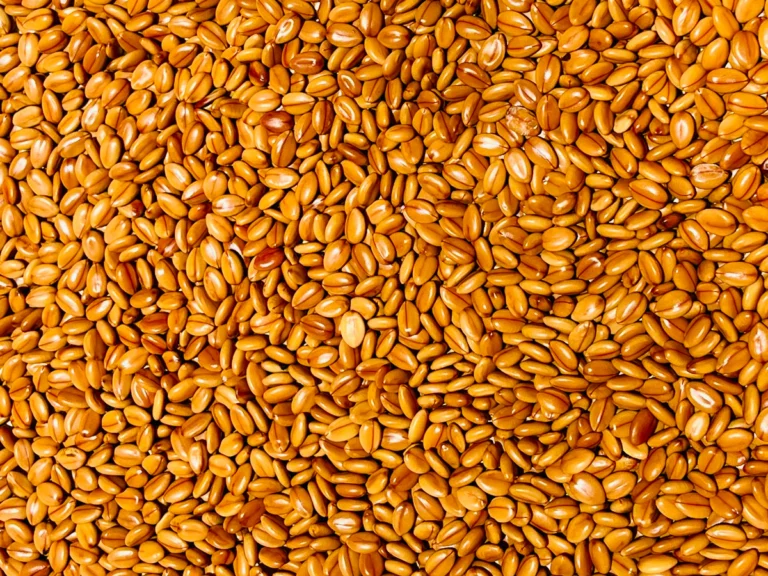
Trade from Cameroon to Turkey is driven by sesame, cotton, cocoa, coffee and rubber. Turkish tahini and halva makers, spinning mills, chocolate and biscuit firms, coffee roasters and tyre plants all use goods that Cameroon grows. BV Holdings Agro loads these goods at Douala or Kribi and quotes FOB, CFR or CIF to the Turkish port you name.
This page is for importers in Türkiye. First, it lists the products Turkish buyers most often ask about. Next, it explains the tariff position, the sea route, the Turkish import controls and the papers your customs broker will need. Then it covers Incoterms, seasons and the steps to place an order.
We are a B2B trading house based in Yaoundé. We buy from producer groups and aggregators in the producing regions, then test, pack and ship each lot. Orders start from one 20ft container, and every offer is written for your lot, port and timing.
Products in demand from Cameroon to Turkey
The table shows the lines that fit the Turkish market best. Each product name links to its own page, with a typical specification, packing details and FAQ. HS codes are given at six digits; your broker confirms the full 12-digit Turkish GTİP code.
| Product | Typical buyer in Türkiye | HS code |
|---|---|---|
| Sesame seeds | Tahini, halva, bakery and simit makers | 1207.40 |
| Cotton lint | Spinning mills and textile groups | 5201.00 |
| Cocoa beans | Grinders and chocolate makers | 1801.00 |
| Cocoa butter | Chocolate and confectionery firms | 1804.00 |
| Cocoa powder | Biscuit, wafer and cake makers | 1805.00 |
| Cocoa liquor | Chocolate and coatings makers | 1803.10 |
| Green Arabica coffee | Turkish coffee and speciality roasters | 0901.11 |
| Green Robusta coffee | Blend and instant coffee makers | 0901.11 |
| Natural rubber | Tyre and technical rubber plants | 4001.22 |
| Groundnuts (peanuts) | Snack roasters and confectionery firms | 1202.41 / 1202.42 |
| Soybean meal | Compound feed mills | 2304.00 |
In short, sesame and cotton lead the Cameroon to Turkey list. Both are core inputs for two of Türkiye’s biggest industries, food and textiles. Meanwhile, cocoa and rubber serve its large confectionery and tyre sectors. For the full ranges, see our oil seeds, industrial raw materials and cocoa products categories.
Trade and market access: Cameroon to Turkey
Türkiye has around two dozen free trade agreements in force. In Africa, they cover Egypt, Mauritius, Morocco and Tunisia. However, there is no free trade agreement between Türkiye and Cameroon. So goods from Cameroon to Turkey are charged under Türkiye’s own tariff schedule.
Türkiye also runs a Generalised System of Preferences (GSP), in place since 2002. It gives lower duties on some goods from developing and least developed countries. The eligible countries and goods are set in Türkiye’s yearly import regime. Therefore, ask your broker whether any preference applies to your GTİP code for Cameroon origin.
Two more points matter. First, Türkiye is in a customs union with the EU for industrial goods, but most farm goods sit outside it. Second, Türkiye can apply extra duties on some products, depending on origin. For these reasons, always get a duty check before you sign a Cameroon to Turkey contract.
The correct HS code is the base for all of this. The World Customs Organization explains the system on its page What is the Harmonized System?. We state the six-digit code on every proforma invoice, and your broker adds the Turkish digits.

Shipping route: Douala or Kribi to Turkish ports
Cargo on the Cameroon to Turkey lane leaves from Douala or Kribi. Douala is the main commercial port, on the Wouri estuary. Kribi is a deep-water port further south that can take larger ships. We pick the port with you, based on the product, its inland origin and the next sailing.
On the Turkish side, these container ports handle most of the trade:
- Mersin — a major Mediterranean port, close to Adana, Gaziantep and the south-east.
- Ambarlı (Istanbul) — the main gateway for Istanbul and the Marmara region.
- İzmir — the main Aegean port, serving İzmir and Denizli.
- Gemlik — on the Sea of Marmara, close to Bursa’s industry.
- Kocaeli ports — near the İzmit Gulf industrial belt, home to many tyre and chemical plants.
Most Cameroon to Turkey cargo moves in 20ft or 40ft dry containers. Services often tranship at a Mediterranean hub. For this reason, transit is typically a few weeks, and we confirm it at booking. Cotton bales and rubber bales also travel in standard dry boxes.
So which port suits you? In general, pick the one nearest your plant. For example, a spinning mill in Gaziantep may prefer Mersin. A tahini maker in Istanbul may prefer Ambarlı. We quote CFR or CIF to the port you name.
Import controls for Cameroon to Turkey shipments
Turkish customs clears Cameroon to Turkey cargo through its electronic system. Meanwhile, the Ministry of Agriculture and Forestry controls food, feed and plant health. Plant products generally need a phytosanitary certificate. Some products also need a control certificate from the ministry before release. Your broker handles these filings and checks the rules for your GTİP code.
For a typical Cameroon to Turkey shipment, expect these papers:
- Commercial invoice, packing list and bill of lading.
- Certificate of origin.
- Phytosanitary certificate from MINADER, Cameroon’s plant protection service.
- Weight and quality certificate from the agreed inspection company.
- Fumigation certificate where the product or contract requires it.
- ONCC export quality certificate for cocoa and coffee.
- Lab reports, such as aflatoxin, pesticide residue or oil content, where agreed.
Food safety limits under the Turkish Food Codex
Türkiye sets its own limits in the Turkish Food Codex. Separate codex rules cover contaminants, such as aflatoxin, and pesticide maximum residue levels. These are broadly aligned with EU rules, but they are not always the same. Sesame and groundnuts get close attention for aflatoxin and residues. Therefore, tell us your limits early, and we will build the right tests into the offer.
EUDR and Turkish exporters
The EU’s EUDR does not apply to goods cleared into Türkiye. However, many Turkish chocolate and confectionery makers export to the EU. The EUDR covers cocoa products, including chocolate, from 30 December 2026 for larger firms. So your EU buyers may ask you for traceability data on the cocoa inside. Please raise this at inquiry, and we will say honestly what data a lot can carry. Our export documents and compliance page explains each paper.
Cotton and sesame: what Turkish buyers check
Cotton and sesame are the two lines where Turkish buyers have the most precise needs. So it helps to set the key terms in the inquiry.
For cotton lint, mills look at staple length, micronaire, strength, colour grade and trash. Cameroon cotton grows in the North, Far North and Adamawa regions. It is ginned and pressed into bales of about 220 to 230 kg, hooped and wrapped. The International Cotton Advisory Committee publishes useful world market data for planning.
For sesame, tahini makers look at purity, oil content, free fatty acids, moisture and colour. Cameroon sesame comes from the North and Far North, with harvest from October to December. In addition, aflatoxin and residues must meet Turkish limits. We can test oil content and FFA on request. Above all, clear specs in your inquiry mean a sharper Cameroon to Turkey offer.
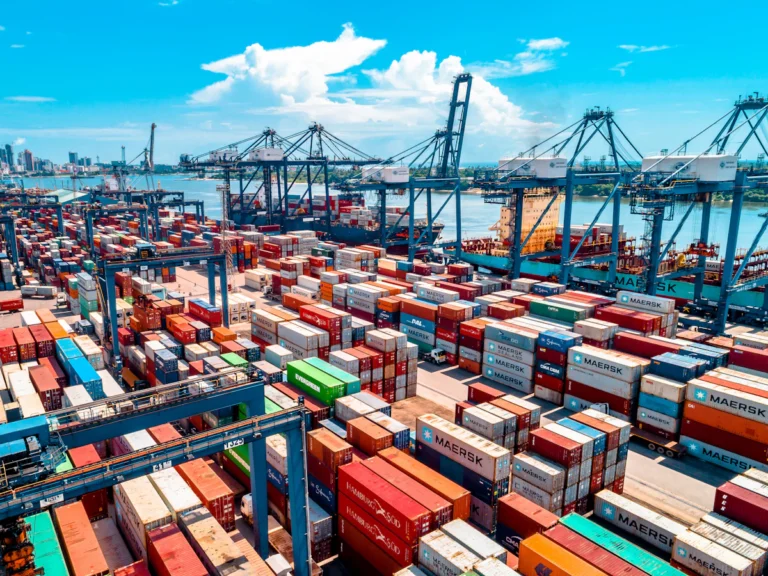
Packing and container loads for Cameroon to Turkey
We pack each line to suit the product and your plant. Sesame ships in new 25 kg or 50 kg PP bags. Cocoa beans travel in new jute bags of about 62.5 to 65 kg. Green coffee goes in new 60 kg jute bags, with hermetic liners on request. Meanwhile, natural rubber ships in film-wrapped bales of 33.33 or 35 kg on pallets or in crates.
Container loads are approximate and vary with bag size and density. For example, a 20ft box holds about 12 to 12.5 tonnes of bagged cocoa beans, while sesame and soybean meal load heavier. We state the expected net weight in each offer. That way, your Cameroon to Turkey plan matches your silo or warehouse space.
Every bag or bale carries an export mark and a lot number. So your quality team can trace it back to its tested lot. If your Turkish plant needs Turkish-language marks or its own codes, tell us before packing starts.
Incoterms for Cameroon to Turkey contracts
We quote three Incoterms on the Cameroon to Turkey route. Each one splits cost and risk in its own way.
- FOB Douala or Kribi. You book the ship and insure the cargo. This suits Turkish traders and large mills with freight deals.
- CFR Mersin, Ambarlı or İzmir. We book and pay sea freight, and you insure. This suits firms with an open cargo policy.
- CIF to your Turkish port. We book freight and buy minimum cargo insurance. This suits newer importers who want one simple price to the port.
Under all three terms on a Cameroon to Turkey contract, risk passes to you once the goods are on board in Cameroon. The difference is who arranges freight and cover. For example, a large textile group may prefer FOB to use its own lines. A smaller tahini maker may prefer CIF Mersin for ease. Our FOB vs CIF guide explains the choice in plain terms.
When to buy: seasons for Cameroon to Turkey cargo
Most crops on the Cameroon to Turkey list have set harvest windows. Buying early gives you more choice of grade and lot. In addition, it leaves time for testing and papers before your own peak, such as Ramadan demand for tahini and halva.
| Product | Main harvest window | Tip for Turkish buyers |
|---|---|---|
| Sesame seeds | Oct–Dec | Ask for new-crop samples from November |
| Cocoa beans | Main crop Sept–Feb; mid-crop May–Aug | Contract main-crop beans in early autumn |
| Arabica coffee | Oct–Jan | Book early for the best screen sizes |
| Robusta coffee | Nov–Feb | Book volume as the crop peaks |
| Cotton lint | After the northern harvest and ginning | Confirm grade and timing at inquiry |
Seasons move a little with the rains each year. Our Cameroon harvest calendar gives the full picture. Then plan your Cameroon to Turkey contracts so cargo lands well before your peak.
Quality checks before loading
Every Cameroon to Turkey lot passes five checkpoints. First, we buy in the producing region. Second, we dry and store the goods off the ground in covered warehouses. Third, we sample and test against your contract spec. Fourth, we clean, sort and pack in new export-marked bags with a lot number. Finally, inspection and any needed fumigation take place before loading.
Tests depend on the product. Cocoa gets a cut test for mould, slate and insect damage. Coffee is graded by screen size and defect count. Sesame can be tested for oil and FFA on request, while grains and seeds are tested for aflatoxin. Moisture and foreign matter are checked on every lot. In addition, cocoa and coffee export lots are subject to ONCC quality control.
You may also appoint your own inspector, such as SGS, Bureau Veritas, Intertek or Cotecna. The inspector samples the lot, checks weight and issues a certificate before shipment. Our quality and sourcing page covers each step.
How to order from Cameroon to Turkey
Ordering from BV Holdings Agro runs in four steps:
- 1. Inquiry. Send the product, grade, volume, Turkish port and Incoterm.
- 2. Offer and sample. We send a written offer and, where possible, a sample of the lot.
- 3. Agreement. We sign a contract on spec, price, Incoterm, payment terms, inspection and shipment window.
- 4. Shipment. We prepare, inspect and load the goods, then release papers per the payment terms.
We do not publish prices, because markets move daily. Grade, season, freight, packing and payment terms shape each offer. Payment security, such as a letter of credit, is agreed in the contract. Our export process page shows the full six-step version. Meanwhile, buyers nearby can read our pages for Cameroon to the UAE and Cameroon to Italy.
Why buy from BV Holdings Agro
- Sesame and cotton from the north. We source both from Cameroon’s northern regions.
- One counterparty. We source, test, pack and ship, so you have one contact.
- Two loading ports. Douala and Kribi give flexible Cameroon to Turkey sailings.
- Honest claims. We never claim certificates or data we cannot document.
- Group backing. We are part of BV Holdings PLC, with a cocoa division at BV Cocoa Products.
So the Cameroon to Turkey route is well known to Turkish mills. To see every market we serve, visit our export markets hub.
FAQ
Is there a free trade agreement from Cameroon to Turkey?
No. Türkiye has free trade agreements with Egypt, Mauritius, Morocco and Tunisia in Africa, but not with Cameroon. So goods are charged under Türkiye’s own tariff. Türkiye also runs a GSP for developing countries, set each year in its import regime. Ask your broker whether any preference applies to your GTİP code before you sign.
Which Turkish ports do you quote for Cameroon to Turkey cargo?
We quote CFR or CIF to the main Turkish container ports, including Mersin, Ambarlı, İzmir, Gemlik and the Kocaeli ports. Other ports are possible on request. If you prefer FOB, you book the ship yourself from Douala or Kribi. In general, pick the port nearest your plant, because inland trucking can cost more than a change of sea route.
How long does shipping from Cameroon to Turkey take?
Transit is typically a few weeks, and we confirm it at booking. The time depends on the shipping line, the loading port and whether the box tranships at a Mediterranean hub. We share the vessel name and estimated arrival once space is booked. As a result, you can plan your ministry filings and customs clearance in good time.
What sesame specs can you offer?
We supply Cameroon sesame from the North and Far North, with a typical specification for purity, moisture and colour. In addition, we can test oil content and free fatty acids on request. Aflatoxin and pesticide residues are tested against the limits you set. Final specs are confirmed in each contract and verified before loading.
Can you supply cotton lint for Turkish mills?
Yes. We offer cotton lint from the North, Far North and Adamawa regions, in pressed bales of about 220 to 230 kg. Mills should state staple length, micronaire, strength and colour grade in the inquiry. We then match a lot to your spec and agree the inspection method, so the bales meet your mill’s needs.
What is the minimum order?
Orders start from one 20ft container for every product. However, the tonnage per box varies with product and packing. For example, bagged cocoa beans load at about 12 to 12.5 tonnes per 20ft, while sesame in 50 kg bags loads heavier. We confirm the expected net weight in the offer, so you can plan storage.
Are your lots certified organic or Fairtrade?
No. We do not claim organic, Fairtrade or Rainforest Alliance status for our lots. Instead, we show quality through a typical specification, lab results and independent inspection. If your export customers need a certified chain, tell us early. That way, we can be clear about what we can and cannot provide before you plan a programme.
Can you send samples to Türkiye first?
Yes, samples and offers follow an inquiry. Send the product, grade, volume, Turkish port and Incoterm. We will reply with a written offer and, where possible, a sample of the lot by courier. Your lab can then test the goods before you sign, which lowers the risk on a first order. Some samples may need their own import papers.
Other Europe markets

One arm of BV Holdings PLC
BV Holdings Agro is the agricultural export company of BV Holdings PLC, alongside BV Cocoa Products and BV Metal & Minerals.
Source from Cameroon for Türkiye
Tell us the product, grade, volume and Turkish port, and we will reply with a written offer.