Cameroon Cocoa Butter exported to your specification
We supply Cameroon cocoa butter for chocolate, confectionery, cosmetic and pharma makers. BV Cocoa Products, our cocoa processing arm, produces and supplies the butter.
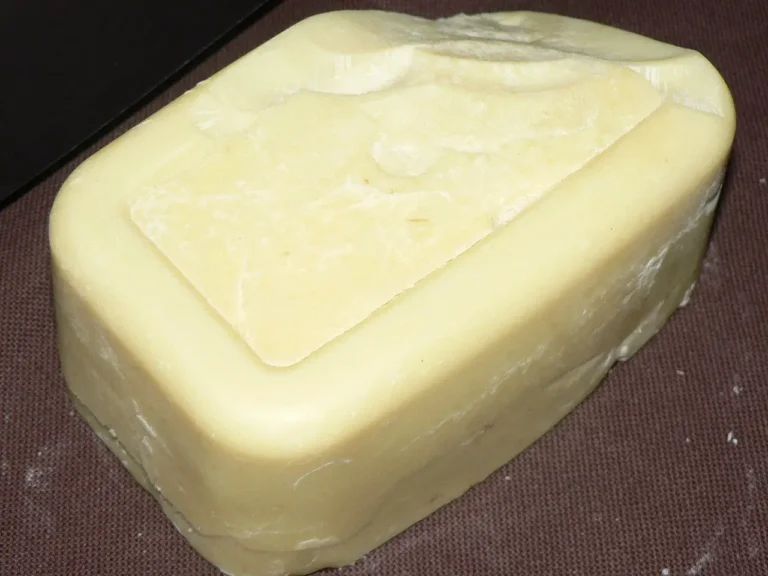
BV Holdings Agro supplies Cameroon cocoa butter to chocolate, confectionery, cosmetic and pharma buyers in container loads. BV Cocoa Products, the cocoa processing division of BV Holdings Agro, produces and supplies this butter. We handle the export sale, documents and shipping from Douala or Kribi.
Cocoa butter is the natural fat of the cocoa bean. It gives chocolate its snap, gloss and clean melt in the mouth. It also brings a smooth feel to lip balms, creams and soaps. We offer natural and deodorised types, so you can match flavour and smell to your recipe.
This page covers where the beans come from, how the butter is made, typical specs, quality checks, packaging, documents, pricing and how to order. You can also see the product details on the BV Cocoa Products cocoa butter page.
Where Cameroon cocoa butter comes from
The butter starts with beans from the humid forest belt of southern Cameroon. The main producing regions are the Centre, South, South-West, East and Littoral. Most farms are small family plots, where cocoa grows under shade trees. Farmers ferment the wet beans for several days and then sun-dry them.
Cameroon beans are known for a high fat content, often about 52 to 56% of the dry nib. As a result, they give a good butter yield in the press. Producer groups and aggregators collect the dried beans, which are then checked and sent for processing. The main crop runs from about September to February, while the mid-crop runs from about May to August.
How the butter is made
First, the beans are cleaned to remove stones, dust and flat beans. Next, they are roasted and cracked, and a winnower blows away the shell. The nibs are then ground into a warm, liquid paste called cocoa liquor. After that, a hydraulic press squeezes the liquor at high pressure. The fat flows out as butter, while the solid left behind is cocoa cake.
The butter is filtered to remove fine solids. Natural butter is then cooled, moulded and packed. For deodorised butter, the fat also passes through steam under vacuum. This strips out most of the cocoa smell and taste, so the butter becomes neutral. Finally, each batch is sampled and tested before packing.
Typical specification of Cameroon cocoa butter
The table shows the typical specification of Cameroon cocoa butter for export. Values follow normal industry ranges for pressed cocoa butter.
| Parameter | Typical value |
|---|---|
| HS code | 1804.00 (cocoa butter, fat and oil) |
| Type | Natural (pure prime pressed) or deodorised |
| Free fatty acids (as oleic) | ≤ 1.75% |
| Moisture and volatile matter | ≤ 0.2% |
| Slip melting point | 31–35 °C |
| Iodine value | 33–42 |
| Saponification value | 188–198 mg KOH/g |
| Unsaponifiable matter | ≤ 0.35% |
| Colour | Pale yellow (natural), off-white (deodorised) |
| Odour and taste | Mild cocoa (natural), neutral (deodorised) |
| Form | Solid blocks |
Final specifications are confirmed in each contract and verified before loading. In addition, you can read how we check each batch on our quality control page.

Types of Cameroon cocoa butter and how to choose
We offer two types of Cameroon cocoa butter. Both come from the same pressing step. The difference lies in what happens to the fat afterwards.
- Natural (pure prime pressed): keeps a mild cocoa aroma and a pale yellow colour. It suits dark and milk chocolate, where cocoa flavour is welcome.
- Deodorised: steam-treated to remove most smell and taste. It suits white chocolate, fine fillings and cosmetics, where a neutral base is needed.
So how do you choose? First, think about flavour. A dark chocolate maker usually wants natural butter, because it adds to the cocoa taste. A white chocolate maker, however, needs a clean, neutral fat that lets milk and vanilla notes come through. Cosmetic firms often pick deodorised butter, so it does not clash with their own scents. Some soap and balm makers prefer natural butter for its gentle cocoa smell. Tell us your use and we will advise the better type.
| Feature | Natural | Deodorised |
|---|---|---|
| Smell and taste | Mild cocoa | Neutral |
| Colour | Pale yellow | Off-white to pale |
| Typical uses | Dark and milk chocolate, fillings | White chocolate, cosmetics, pharma |
| Extra process step | None | Steam under vacuum |
Next, think about melting point and hardness. These depend partly on the bean origin and the season. West African butters, including Cameroon cocoa butter, are generally valued for a firm set. Even so, we test each batch, so you know the values before you buy.
Quality control of Cameroon cocoa butter before loading
Good butter starts with sound beans. So the checks begin at the bean stage and continue through pressing and packing.
- Bean intake: beans are checked for moisture, mould and smoky taint before processing.
- Process checks: roasting, pressing and filtering follow set routines for each batch.
- Batch testing: each batch is sampled and tested against the contract spec.
- Packing: butter is moulded and packed into lined cartons marked with the batch number.
- Inspection and loading: independent inspection where agreed, then loading at Douala or Kribi.
What the tests tell you
Free fatty acids show how fresh the fat is and how well the beans were handled. High FFA can mean mouldy or poorly stored beans, and it softens the butter. Moisture must stay very low, because water speeds up spoilage. The slip melting point and iodine value show how hard the butter is and how it will set.
The saponification value and unsaponifiable matter confirm that the fat is pure cocoa butter. Colour, smell and taste checks then catch off notes from smoke or mould. In addition, lab reports for pesticide residues, PAHs or heavy metals can be added where agreed. Buyers may nominate an inspection firm such as SGS, Bureau Veritas, Intertek or Cotecna.
Common faults and how they are avoided
Most faults in cocoa butter trace back to the beans or to storage. Mouldy beans raise free fatty acids, while smoky beans leave a taint that even deodorising may not fully remove. Heat during storage can also soften the blocks and cause them to stick. For this reason, beans are screened at intake and finished cartons are kept cool. This helps each batch of Cameroon cocoa butter reach you in sound condition.
Uses of Cameroon cocoa butter
Cameroon cocoa butter goes into food, beauty and health products. Each industry uses a different strength of the fat.
- Chocolate and couverture: the main fat phase, giving snap, gloss and melt. Couverture needs a high share of cocoa butter for thin, even coatings.
- Confectionery and bakery: fillings, coatings, pralines and spreads.
- Cosmetics: lip balms, body butters, lotions and soaps. The fat melts on contact with skin.
- Pharma: a base for creams, ointments and suppositories, because it melts close to body heat.
Why chocolate makers rely on it
Cocoa butter is unusual because it melts over a narrow range, just below body heat. As a result, chocolate stays firm on the shelf yet melts cleanly on the tongue. Chocolate makers temper the butter, which means they heat and cool it to form the right crystals. Well-tempered chocolate then shows a bright shine and a sharp snap. You can pair butter with our cocoa liquor for a complete chocolate base.
Cameroon cocoa butter in cosmetics and pharma
Beauty brands like cocoa butter because it is solid at room temperature but melts on the skin. It forms a soft, protective layer, so it suits dry-skin creams, lip care and body bars. Soap makers add it for a hard, creamy bar. In pharma, its melting point close to body heat makes it a classic base for suppositories. Cameroon cocoa butter in deodorised form gives these makers a neutral base that blends with their own scents.
Many buyers also want matching inputs from one origin. For example, a chocolate plant may buy butter, liquor and cocoa powder in one contract. Browse our wider cocoa products range for other items.

Packaging and container capacity for Cameroon cocoa butter
We pack Cameroon cocoa butter as solid blocks in 25 kg net cartons with a food-grade PE liner. The liner protects the fat from air, moisture and outside smells. Other packs can be agreed per contract.
- 20ft container: about 18 to 20 tonnes in cartons, as an approximate industry norm.
- 40ft container: up to about 25 tonnes, subject to road and port weight limits.
- Pallets: palletised or floor-loaded cartons, as agreed.
- Temperature: stow away from heat sources; reefer shipment can be discussed on request.
Cocoa butter melts at about 34 °C, so heat is the main risk at sea and in port. For this reason, we load cartons in good condition and avoid long waits in the sun. Each container then loads at Douala or Kribi port.
Heat can also cause bloom, a dull white film on the surface of the fat. Bloom does not make the butter unsafe, but it signals that the blocks have melted and set again. So we ask that Cameroon cocoa butter moves from port to a cool store without long delays.
Storage at your end
Store Cameroon cocoa butter cool, dry and dark, ideally below about 20 °C. Keep it away from strong smells, because fat absorbs odours easily. Under good conditions, cocoa butter keeps well for a long time, often up to two years. However, check the shelf life stated in each contract and on the batch papers.
Export documents and EUDR rules for Cameroon cocoa butter
Each shipment travels with a full document set for customs clearance, payment and quality claims.
- Commercial invoice and packing list
- Bill of lading
- Phytosanitary certificate or health papers, as the destination requires
- Certificate of origin
- Certificate of analysis for each batch
- Weight and quality certificate from the agreed inspection company
- Lab reports, such as pesticide residue or PAHs, where agreed
EU Deforestation Regulation (EUDR)
EU buyers must also meet the EU Deforestation Regulation, Regulation (EU) 2023/1115. Cocoa butter, HS 1804, is one of the covered products. Under the rules, the EU operator must show that the cocoa was not grown on land deforested after 31 December 2020. It must also show that the cocoa was produced legally in the country of origin.
In practice, this means geolocation data for the plots where the beans were grown. Traceability must then follow the beans through roasting, grinding and pressing. The EU importer files a due diligence statement before the goods enter the market. Because the EU has revised the timeline, buyers should check the current application dates. We discuss the traceability data we can share for each lot during the offer stage.
Food law adds other checks. For example, EU rules set limits for PAHs in cocoa butter and for pesticide residues in food. Cosmetic buyers must also meet their own product rules. So tell us your market and use early, and we can plan the right papers.
How pricing works for Cameroon cocoa butter
We do not publish prices, because cocoa markets move every day. Instead, each offer reflects the market on the day we quote. Several factors shape the price of Cameroon cocoa butter.
- Bean prices: world cocoa prices follow the London and New York futures exchanges.
- Butter ratio: the trade often prices butter as a multiple of the bean futures price. This ratio rises and falls with demand for chocolate.
- Type: deodorised butter needs an extra process step.
- Incoterm: FOB Douala or Kribi, CFR or CIF to your port.
- Volume and timing: contract size, shipment window and payment terms.
Butter and powder prices often move in opposite directions, since one press yields both. Traders sometimes speak of the combined ratio, which links the value of butter and powder to the bean price. As a result, a strong powder market can ease butter offers, and the reverse. Each offer for Cameroon cocoa butter therefore carries a short validity. You can compare delivery terms in our FOB vs CIF guide.
How to order from BV Holdings Agro
Buying from us follows six clear steps. You can see each one in detail on our export process page.
- 1. Inquiry: you send type, volume, destination port, Incoterm and shipment window.
- 2. Offer and sample: we send a written offer and a sample for your lab.
- 3. Contract: we both sign a contract with spec, price, Incoterm, payment terms, inspection method and shipment window.
- 4. Payment security: you arrange a letter of credit, documentary collection or other agreed terms.
- 5. Preparation and inspection: we prepare, test and inspect the batch.
- 6. Shipment and documents: we ship, and documents are released per the payment terms.
Why buy from BV Holdings Agro
- Cameroon cocoa butter from the group’s own cocoa processing division
- Natural and deodorised types in one supply line
- Batch checks on FFA, moisture and melting point
- Full export papers and a clear written contract
- Matching liquor, cake and powder from the same origin
Cameroon cocoa butter FAQ
Who produces your Cameroon cocoa butter?
BV Cocoa Products, the cocoa processing division of BV Holdings Agro, produces and supplies the butter. It is pressed from cocoa liquor made with beans from Cameroon’s main growing regions. BV Holdings Agro handles the export sale, the contract, the documents and the shipping from Douala or Kribi.
Do you offer deodorised cocoa butter?
Yes. We offer natural and deodorised butter. Natural butter keeps a mild cocoa aroma, so it suits dark and milk chocolate. Deodorised butter is steam-treated to remove most smell and taste. It suits white chocolate and cosmetics. Tell us your use, and then we will advise the better type.
How is the butter packed?
We pack the butter as solid blocks in 25 kg net cartons with a food-grade PE liner. Each carton carries the batch number, so it links to the certificate of analysis. Cartons can be palletised or floor-loaded. We can also agree other packs per contract if your plant needs them.
What is the minimum order for Cameroon cocoa butter?
The minimum order is one 20ft container, which holds about 18 to 20 tonnes in cartons. Larger contracts can run over several containers or be spread across the year. You can also combine butter with liquor, cake or powder from the same origin, subject to agreement in the contract.
Is Cameroon cocoa butter covered by the EUDR?
Yes. Cocoa butter, HS 1804, is listed in the EU Deforestation Regulation. EU importers need plot geolocation and proof of legal, deforestation-free production for the beans used. They then file a due diligence statement. We discuss the traceability data we can share for each lot during the offer stage.
How should cocoa butter be stored?
Store cocoa butter cool, dry and dark, ideally below about 20 °C. Keep it away from strong smells, because fat picks up odours. Under good conditions, it keeps well for a long time, often up to two years. Always check the shelf life stated on the batch papers and in the contract.
Which tests come with each batch?
Each batch is tested against the contract spec. Typical tests are free fatty acids, moisture, slip melting point, iodine value, saponification value, unsaponifiable matter, colour and taste. Lab reports for pesticide residues, PAHs or heavy metals can be added where agreed. An independent inspection firm can also check the cargo.
Which Incoterms do you offer?
We quote FOB Douala or Kribi, CFR to your destination port, or CIF to your destination port. Under CIF, we arrange freight and minimum cargo insurance. Under FOB, you book the vessel and insure the cargo. Each contract states the Incoterm, the port and the shipment window clearly.
Related commodities

Processed by BV Cocoa Products
BV Cocoa Products is the cocoa processing division of BV Holdings Agro. See its technical data and product range on the division site.
Request a Cameroon cocoa butter quote
Ready to buy Cameroon cocoa butter? Request a quote with your type, volume, port and Incoterm, and we will reply with an offer. You can also read our guide to importing from Cameroon .