Export from Cameroon to the United States cocoa, coffee, rubber and kola
Sourcing from Cameroon to the United States needs clear facts on tariffs and FDA rules. We load cocoa, coffee, rubber, spices and kola at Douala or Kribi and quote FOB, CFR or CIF to New York, Philadelphia, Savannah or Houston.
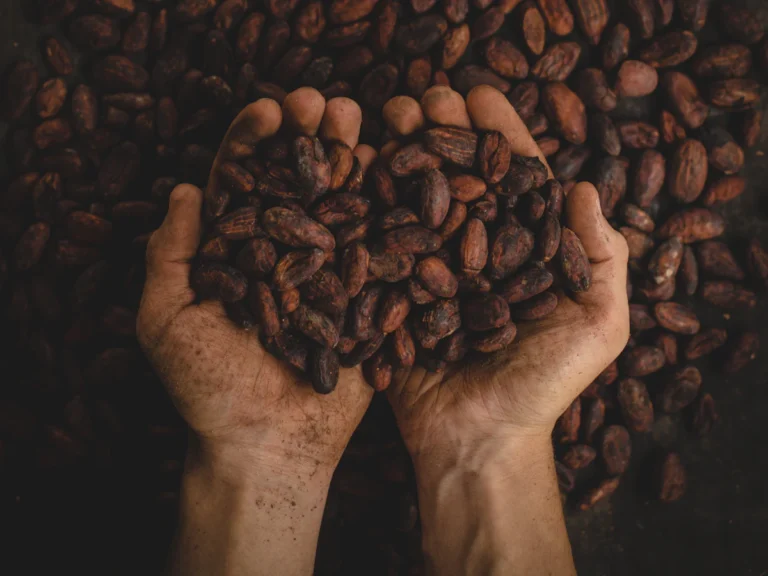
Trade from Cameroon to the United States centres on cocoa, coffee, rubber, spices and kola. American grinders, roasters, tyre makers, spice importers and diaspora food wholesalers all buy goods that Cameroon grows. BV Holdings Agro loads these goods at Douala or Kribi and quotes FOB, CFR or CIF to the US port you name.
This page is for US importers. First, it lists the products American buyers most often ask about. Next, it gives a straight answer on AGOA and tariffs. Then it covers the sea route, FDA and USDA rules, Incoterms, seasons and the steps to order.
We are a B2B trading house based in Yaoundé. We buy from producer groups and aggregators in the producing regions, then test, pack and ship each lot. English is an official language in Cameroon, so contracts and papers can be agreed in English. Orders start from one 20ft container.
Products in demand from Cameroon to the United States
The table shows the lines that fit the US market best. Each product name links to its own page, with a typical specification, packing details and FAQ. HS codes are given at six digits; your customs broker confirms the full ten-digit HTSUS number.
| Product | Typical buyer in the US | HS code |
|---|---|---|
| Cocoa beans | Grinders, chocolate makers, cocoa traders | 1801.00 |
| Cocoa butter | Chocolate, confectionery and personal care firms | 1804.00 |
| Cocoa powder | Bakeries, cereal and beverage makers | 1805.00 |
| Cocoa liquor | Chocolate and coatings makers | 1803.10 |
| Green Arabica coffee | Speciality and regional roasters | 0901.11 |
| Green Robusta coffee | Blend, espresso and soluble coffee makers | 0901.11 |
| Natural rubber | Tyre and industrial rubber plants | 4001.22 |
| Sesame seeds | Bakeries, tahini and snack makers | 1207.40 |
| Dried ginger | Spice importers and drink makers | 0910.11 / 0910.12 |
| Black pepper | Spice grinders and food processors | 0904.11 |
| Kola nuts | African and Caribbean food wholesalers | 0802.70 |
| Bitter kola | Diaspora food and herbal wholesalers | Confirmed per proforma |
In short, cocoa and coffee lead the Cameroon to the United States list. Rubber is a strong industrial line. Meanwhile, kola and bitter kola serve a large West and Central African community. For the full ranges, see our cocoa products, green coffee and industrial raw materials categories.
Trade and market access: AGOA and US tariffs
Let us be clear on AGOA first, because it shapes every Cameroon to the United States costing. The African Growth and Opportunity Act gives duty-free entry to many goods from eligible African countries. Congress renewed the programme in 2026. However, Cameroon lost its AGOA eligibility from 1 January 2020, and we found no reinstatement since. So shipments from Cameroon to the United States do not get AGOA benefits today.
What does that mean for your landed cost? In practice, less than you might fear. Many raw tropical goods carry a zero general (MFN) duty in the US tariff. Cocoa beans, green coffee and natural rubber are good examples. For these lines on the Cameroon to the United States list, AGOA would not have changed the base duty anyway.
However, the US has changed its extra import tariffs many times since 2025. In November 2025, many farm goods the US does not grow in volume were exempted from the broad reciprocal tariffs. Coffee and cocoa were among them. Rules have kept moving since then. Therefore, ask your customs broker for the current rate on your exact HTSUS line before you sign.
The US Generalized System of Preferences (GSP) also lapsed at the end of 2020. So do not plan on GSP savings either, unless your broker confirms a renewal. The USTR page on Cameroon gives the official view of US trade ties.
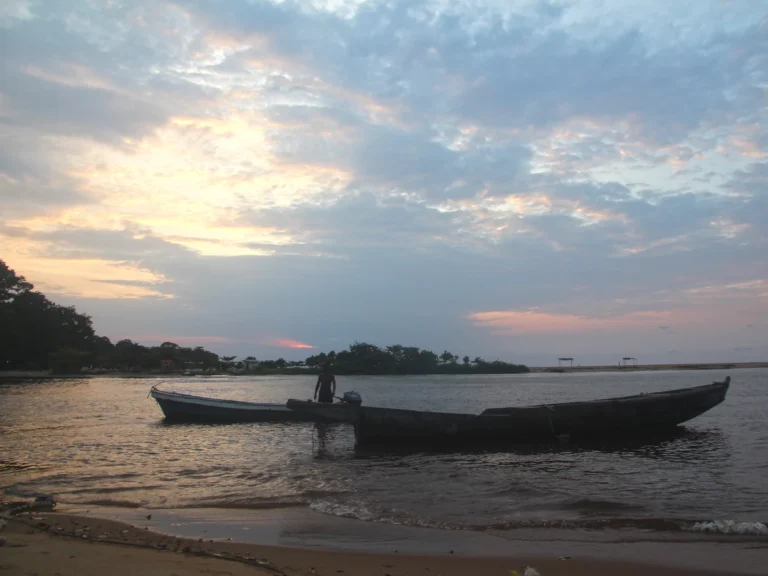
Shipping route: Douala or Kribi to US ports
Cargo on the Cameroon to the United States lane leaves from Douala or Kribi. Douala is the main commercial port, on the Wouri estuary. Kribi is a deep-water port further south that can take larger ships. We pick the port with you, based on the product, its inland origin and the next sailing.
On the US side, these ports suit most of our products:
- New York and New Jersey — the largest East Coast gateway, with deep links to food and coffee importers.
- Philadelphia — on the Delaware River, long a key entry point for cocoa.
- Savannah — a fast-growing South East port with strong rail links inland.
- Houston — the main Gulf Coast box port, also a coffee hub.
- New Orleans — a historic coffee port on the Mississippi.
Most Cameroon to the United States cargo moves in 20ft or 40ft dry containers. Most services tranship at least once, often in Europe, North Africa or the Caribbean. For this reason, transit is typically several weeks, and we confirm it at booking. Bagged cocoa and coffee often travel with liners or desiccant to manage moisture on the longer crossing.
So which port should you choose? In general, pick the one closest to your plant or warehouse. US trucking and rail can cost more than the sea leg. We quote CFR or CIF to the port you name.
FDA, USDA and CBP rules for Cameroon to the United States imports
US food import rules are strict, but they are clear for Cameroon to the United States buyers. Three agencies matter most. US Customs and Border Protection (CBP) clears the entry. The Food and Drug Administration (FDA) covers food safety. Meanwhile, the USDA’s Animal and Plant Health Inspection Service (APHIS) covers plant pests.
For food lines on the Cameroon to the United States route, the FDA rules work like this:
- Food facility registration. Foreign facilities that make, process, pack or hold food for the US must register with the FDA and name a US agent.
- Prior notice. Each food shipment needs prior notice to the FDA before it arrives.
- FSVP. Under the Foreign Supplier Verification Program, the US importer must verify that its foreign supplier meets US safety standards.
The FDA’s guide to importing food into the United States explains each step. In addition, the FDA can detain or refuse goods that look unsafe at the border. For this reason, clean papers and lab results matter.
Plant health, residues and the Lacey Act
APHIS sets entry rules for plant goods. Some products need a permit or special treatment, while others enter freely. Raw cotton and fresh produce, for example, face specific plant rules. Pesticide tolerances are set by the EPA and enforced by the FDA. Aflatoxin is also watched closely in nuts, seeds and spices. Wood goods, including charcoal, fall under the Lacey Act, which bans trade in illegally harvested plants. Therefore, tell us your limits early, and we will build the right tests into the offer.
For a typical Cameroon to the United States shipment, expect these papers from our side:
- Commercial invoice, packing list and bill of lading.
- Certificate of origin.
- Phytosanitary certificate from MINADER where the US rules or your contract require it.
- Weight and quality certificate from the agreed inspection company.
- Fumigation certificate where required.
- ONCC export quality certificate for cocoa and coffee.
- Lab reports, such as aflatoxin or pesticide residue, where agreed.
The EU’s EUDR does not apply to US imports. However, if you sell on to EU buyers, they may ask for traceability data. Our export documents and compliance page explains each paper.
Incoterms for Cameroon to the United States contracts
We quote three Incoterms on the Cameroon to the United States route. Each one splits cost and risk in its own way.
- FOB Douala or Kribi. You book the ship and insure the cargo. This suits US traders and large processors with service contracts.
- CFR New York, Philadelphia, Savannah or Houston. We book and pay sea freight, and you insure. This suits firms with an open cargo policy.
- CIF to your US port. We book freight and buy minimum cargo insurance. This suits newer importers who want one simple price to the port.
Under all three terms on a Cameroon to the United States contract, risk passes to you once the goods are on board in Cameroon. The difference is who arranges freight and cover. For example, a big grinder may prefer FOB to use its own lines. A small roaster may prefer CIF Houston for ease. Our FOB vs CIF guide explains the choice in plain terms.
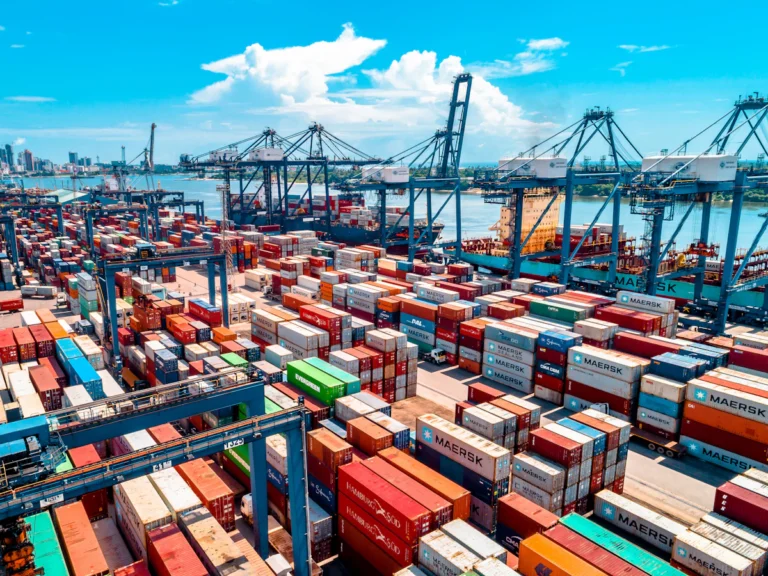
When to buy: seasons for Cameroon to the United States cargo
Most crops on the Cameroon to the United States list have set harvest windows. Buying early in a season gives you more choice of grade and lot. In addition, the longer sea route means you should plan further ahead than a European buyer would.
| Product | Main harvest window | Tip for US buyers |
|---|---|---|
| Cocoa beans | Main crop Sept–Feb; mid-crop May–Aug | Contract main-crop beans in early autumn |
| Arabica coffee | Oct–Jan | Ask for pre-shipment samples in December |
| Robusta coffee | Nov–Feb | Book volume as the crop peaks |
| Black pepper | Nov–Mar | Secure volume early in the year |
| Sesame seeds | Oct–Dec | New crop ships from late in the year |
Seasons move a little with the rains each year. Our Cameroon harvest calendar gives the full picture. Then plan your contracts so cargo lands well ahead of your peak, such as the holiday baking season.
Quality checks before loading
Every Cameroon to the United States lot passes five checkpoints. First, we buy in the producing region. Second, we dry and store the goods off the ground in covered warehouses. Third, we sample and test against your contract spec. Fourth, we clean, sort and pack in new export-marked bags with a lot number. Finally, inspection and any needed fumigation take place before loading.
Tests depend on the product. Cocoa gets a cut test for mould, slate and insect damage. Coffee is graded by screen size and defect count. Seeds and spices can be tested for aflatoxin against your US limits. Moisture and foreign matter are checked on every lot. In addition, cocoa and coffee export lots are subject to quality control by Cameroon’s National Cocoa and Coffee Board (ONCC).
You may also appoint your own inspector, such as SGS, Bureau Veritas, Intertek or Cotecna. The inspector samples the lot, checks weight and issues a certificate before shipment. These papers also help your FSVP file. Our quality and sourcing page covers each step.
Packing and pricing on the Cameroon to the United States route
We pack each Cameroon to the United States lot to suit the product and the long crossing. Cocoa beans ship in new jute bags of about 62.5 to 65 kg. Green coffee goes in new 60 kg jute bags, with hermetic liners on request. Rubber travels in film-wrapped bales of 33.33 or 35 kg on pallets. Spices and kola use 25 to 50 kg jute or PP bags.
Container loads are approximate. For example, a 20ft box holds about 12 to 12.5 tonnes of bagged cocoa beans. Heavier goods load more per box. We state the expected net weight in each offer. US buyers often think in pounds, so we can show weights in both metric tonnes and pounds on request.
We do not publish prices, because markets move daily. Cocoa and Arabica are priced off ICE futures, plus an origin and quality differential. Grade, season, freight, packing and payment terms then shape the offer. In short, a clear inquiry gets a faster and sharper Cameroon to the United States quote.
How to order from Cameroon to the United States
Ordering from BV Holdings Agro runs in four steps:
- 1. Inquiry. Send the product, grade, volume, US port and Incoterm.
- 2. Offer and sample. We send a written offer and, where possible, a sample of the lot.
- 3. Agreement. We sign a contract on spec, price, Incoterm, payment terms, inspection and shipment window.
- 4. Shipment. We prepare, inspect and load the goods, then release papers per the payment terms.
Payment security, such as a letter of credit or documentary collection, is agreed in the contract, and you arrange it. Our export process page shows the full six-step version. Meanwhile, buyers to the north can read our Cameroon to Canada page, and UK buyers can see Cameroon to the United Kingdom.
Why buy from BV Holdings Agro
- Straight answers. We tell you plainly that AGOA does not apply, so your costing is honest.
- One counterparty. We source, test, pack and ship, so you have one contact.
- FSVP-friendly papers. Lab reports and inspection certificates support your supplier file.
- Honest claims. We never claim certificates or data we cannot document.
- Group backing. We are part of BV Holdings PLC, with a cocoa division at BV Cocoa Products.
So a Cameroon to the United States coffee deal starts with a New York price. To see every market we serve, visit our export markets hub.
FAQ
Does AGOA apply to goods from Cameroon to the United States?
No. Cameroon lost its AGOA eligibility from 1 January 2020, and we found no reinstatement since, even though Congress renewed the programme in 2026. So you should not plan on AGOA duty savings. However, many raw goods, such as cocoa beans and green coffee, carry a zero general duty anyway. Ask your broker for the current rate on your HTSUS line.
Which US ports do you quote for Cameroon to the United States cargo?
We quote CFR or CIF to the main US ports, including New York and New Jersey, Philadelphia, Savannah, Houston and New Orleans. Other ports are possible on request. If you prefer FOB, you book the ship yourself from Douala or Kribi. In general, pick the port nearest your plant, because US inland freight can cost more than a change of sea route.
How long does shipping from Cameroon to the United States take?
Transit is typically several weeks, and we confirm it at booking. Most services tranship at least once, so the time depends on the line and the hub. We share the vessel name and estimated arrival once space is booked. As a result, you can file FDA prior notice and plan customs clearance on time.
Do you register with the FDA?
FDA food facility registration applies to foreign facilities that make, process, pack or hold food for the US. We discuss the registration and US agent details that apply to a lot during supplier onboarding. Meanwhile, the US importer handles prior notice and its own FSVP duties. Please raise any FDA questions at inquiry stage, so the papers are ready.
What tests can you run for US limits?
We check moisture and foreign matter on every lot. In addition, we can arrange aflatoxin, pesticide residue and microbiological tests where agreed. Cocoa gets a cut test, and coffee is graded by screen and defects. Tell us your US limits early, and we will name the tests and the lab in the offer, so the results match your file.
What is the minimum order?
Orders start from one 20ft container for every product. However, the tonnage per box varies with product and packing. For example, bagged cocoa beans load at about 12 to 12.5 tonnes per 20ft. Heavier goods load more. We confirm the expected net weight in the offer, and we can show it in pounds as well as metric tonnes.
Are your lots certified organic or Fairtrade?
No. We do not claim USDA Organic, Fairtrade or Rainforest Alliance status for our lots. Instead, we show quality through a typical specification, lab results and independent inspection. If your customers need a certified chain, tell us early. That way, we can be clear about what we can and cannot provide before you commit to a programme.
Can you send samples to the US first?
Yes, samples and offers follow an inquiry. Send the product, grade, volume, US port and Incoterm. We will reply with a written offer and, where possible, a sample of the lot by courier. Note that food samples may need FDA prior notice too. Your lab can then test the goods before you sign, which lowers risk on a first order.
Other Americas markets

One arm of BV Holdings PLC
BV Holdings Agro is the agricultural export company of BV Holdings PLC, alongside BV Cocoa Products and BV Metal & Minerals.
Source from Cameroon for the US
Tell us the product, grade, volume and US port, and we will reply with a written offer.