Cameroon Bitter Kola exported to your specification
BV Holdings Agro supplies Cameroon bitter kola, the seeds of Garcinia kola, as fresh seeds, dried whole seeds or dried slices. Each lot is sorted, cleaned and checked before loading.

BV Holdings Agro exports Cameroon bitter kola, the seeds of the Garcinia kola tree, to wholesalers, food importers and ingredient traders. We supply fresh seeds, dried whole seeds and dried slices. Every lot is sorted, cleaned and checked, then loaded at Douala or Kribi.
Bitter kola has a long place in West and Central African hospitality. People chew the seeds as a social snack and share them with guests, often alongside kola nuts. As a result, demand is steady in regional markets and in diaspora communities abroad.
We work with importers and traders only, so every offer is for full container loads. This page covers where the seeds come from, typical specs, forms, quality checks, packing and export papers. It also explains pricing and how to order. For related lines, browse our nuts category.
Where Cameroon bitter kola comes from
Garcinia kola is a tree of the humid lowland forest. In Cameroon, it grows in the South-West, Littoral, Centre, South and East regions. Some trees stand wild in the forest, while others grow on farms beside cocoa and food crops. Many families keep a few trees as a long-term source of income.
The ripe fruit is round and orange-yellow, a little like a small orange. Inside, each fruit holds a few seeds wrapped in pulp. Collectors gather fallen or ripe fruit, open it and remove the seeds. Then they wash off the pulp and either sell the seeds fresh or dry them.
Drying is simple but needs care. Collectors spread the seeds, or slices, on clean mats or raised racks in the sun. They turn them often and cover them when rain comes. Good drying gives an even colour and low moisture. By contrast, slow drying in damp weather raises the risk of mould.
Harvest timing varies by zone and year. For this reason, we confirm stock and timing in each offer. Our Cameroon harvest calendar shows the broad seasonal pattern for crops across the country.
Sourcing and traceability
We buy Cameroon bitter kola from producer groups and aggregators in the forest regions. Next, we consolidate the seeds in covered stores, sort them and give each export lot its own number. That number stays on the bags through inspection and loading. So we can trace any delivery back to its buying zone and date.
Garcinia kola is listed as Vulnerable on the IUCN Red List, largely because of pressure on wild trees. If your company needs sourcing details for its own due diligence, raise it at inquiry. We will share what information is available for the lot on offer.
Typical specification of Cameroon bitter kola
The table shows typical values for export lots. Your contract can set tighter limits where your market needs them.
| Parameter | Cameroon bitter kola: typical value |
|---|---|
| Botanical name | Garcinia kola Heckel |
| Form | Fresh seeds, dried whole seeds or dried slices |
| Skin colour | Light to dark brown |
| Moisture (dried) | 12% max |
| Mouldy and damaged seeds | 3% max |
| Insect-damaged seeds | As agreed |
| Extraneous matter | 1% max |
| Lab tests | Aflatoxin, residues or micro, on request |
| HS code | Varies by destination (commonly 0802.90 or 1211.90) |
Final specifications are confirmed in each contract and verified before loading. In addition, fresh seeds are checked for firmness and mould just before loading, because their condition changes faster than dried seeds.

Forms of Cameroon bitter kola: how to choose
We offer three forms. Each one suits a different supply chain, route and storage plan.
- Fresh seeds: whole seeds in their brown skin, for wholesale and market trade where buyers sell the seed whole.
- Dried whole seeds: lighter to ship and longer-lasting in store, so they suit long voyages.
- Dried slices: sliced and dried seeds for ingredient traders and buyers who mill at destination.
So, which form fits you? If your customers buy seeds by eye in a market, fresh seeds are the usual choice. However, fresh seeds need fast transit and careful storage. If you are far from Cameroon, dried whole seeds are easier to handle. Dried slices, meanwhile, suit buyers who process the seed further.
Size and look also matter in fresh trade. Large, even, clean seeds sell better on a stall. Therefore, many buyers ask for sorting by size. Tell us your target at inquiry, and we will sort Cameroon bitter kola to match. We state the size spread in each offer.
Samples help most at this stage. Before you sign, ask for a sample of the form and grade you plan to buy. Then check size, skin, colour and the cut surface yourself. A good sample of Cameroon bitter kola sets a clear reference for the inspector at loading.
Quality control for Cameroon bitter kola before loading
We follow five checkpoints for every lot. First, we buy in the region and inspect seeds at the point of purchase. Second, we store them off the ground in covered warehouses. Third, we sample and test against your contract. Fourth, we clean, sort and pack in new export bags with a lot number. Finally, inspection and loading take place at Douala or Kribi.
A cut test is a key step. We split a sample of seeds and check the inside for mould, rot and insect tunnels. Healthy seeds are firm, with a pale, even interior. In addition, we check moisture on dried lots and look for foreign matter, broken pieces and shrivelled seeds.
Common bitter kola defects explained
- Mould: white or green growth on the skin or inside, often from warm, wet storage.
- Insect damage: small holes and tunnels from storage pests.
- Shrivelled seeds: fresh seeds that have dried out and lost weight.
- Split or broken seeds: damage from rough handling, which lowers the grade.
- Foreign matter: pulp, skins, stones and dust left from collection.
For buyers who need lab data, an independent lab can test aflatoxin, pesticide residues and microbiology. Buyers may also nominate an inspection company, such as SGS, Bureau Veritas, Intertek or Cotecna. Our quality control page explains each step in more detail.
Every check is recorded against the lot number. Then the inspector draws samples at loading and issues a weight and quality certificate. If a lot fails a key limit, we re-sort it or replace it before loading. We do not ship it as it stands.
Traditional uses and markets for Cameroon bitter kola
Most demand for bitter kola comes from people who know it well. In West and Central Africa, the seeds have a strong social and cultural role. We describe these uses only as tradition, not as claims about the product.
- Hospitality: hosts offer bitter kola to guests as a sign of welcome, often with kola nuts.
- Ceremonies: seeds are shared at weddings, naming ceremonies, meetings and other gatherings.
- Social snack: people chew the seeds for their sharp, bitter taste.
- Diaspora trade: African grocers abroad stock the seeds for customers who grew up with them.
Buyers in the trade include wholesalers, food importers, African grocery distributors and ingredient traders. Some buyers also slice and pack the dried seeds under their own labels. In every case, you are responsible for how the product is described and sold in your market.
Demand from diaspora markets tends to rise around holidays and family events. So, buyers who supply African grocers often plan Cameroon bitter kola loads a few months ahead. Dried seeds make this easier, because they hold well in a warehouse while you wait for peak demand.
Some countries review botanicals case by case before they allow sale as food. For this reason, check the status of bitter kola for your intended use before you order. Your regulatory adviser or customs broker can confirm the rules.
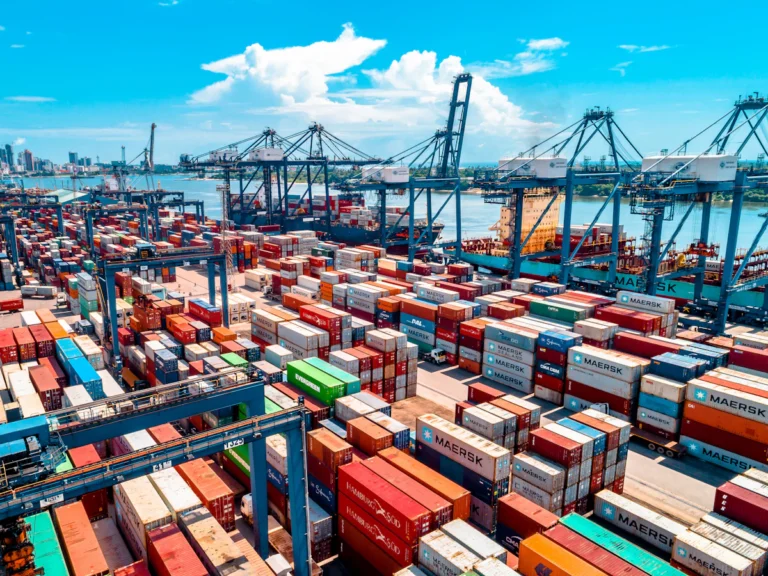
Packaging, loading and container capacity
Packing depends on the form. Fresh seeds need airflow, while dried seeds need to stay dry.
- Fresh seeds: ventilated jute or polypropylene bags, packed loosely to let air move.
- Dried whole seeds: 25–50 kg jute or PP bags, with liners on request.
- Dried slices: lined bags or cartons, sealed against humidity.
As a guide, a 20ft container often takes about 15–18 tonnes of dried seeds, depending on form and bag fill. Fresh Cameroon bitter kola needs a ventilated or temperature-controlled container. We agree the setting with you and the shipping line before booking.
Speed matters for fresh lots, so we load them soon after packing. Dried seeds ship with liners, and desiccants where agreed, to keep moisture down. Lots are fumigated before loading where the destination requires it. Each bag carries export marks and a lot number.
On request, we can also add your own labels, such as product name, net weight and importer details. Send label artwork early, because printing adds time before loading. Labels must follow your market’s rules, which you confirm.
Storage and shelf life of Cameroon bitter kola
Fresh seeds are living plant material, so storage needs care. Keep them cool, shaded and well aired. If they stay too warm and damp, mould can start. Yet if they dry out, they shrivel and lose weight. On arrival, move fresh Cameroon bitter kola into a cool store and check it often.
Dried seeds and slices are easier to hold. Store the bags off the floor in a dry, airy place, away from strong smells. Also, watch for storage insects and rotate stock. Under good conditions, dried lots keep their quality for a long time.
Transit also counts. Long port waits in heat can stress fresh seeds, so we book loading close to vessel cut-off where we can. For long routes, dried Cameroon bitter kola is the safer choice, because it is far less sensitive to delays.
Export documents for Cameroon bitter kola
Every shipment travels with a full document set. In short, you get what customs and your bank need:
- Commercial invoice and packing list
- Bill of lading
- Phytosanitary certificate from MINADER plant protection
- Certificate of origin
- Weight and quality certificate from the agreed inspection company
- Fumigation certificate, where required
- Lab reports for aflatoxin, residues or micro, where agreed
The HS code for bitter kola varies by destination. It is commonly 0802.90 or 1211.90, and we confirm it on the proforma. The WCO Harmonized System explains how these headings work. However, national tariffs add more digits, so ask your broker for the full code.
Import rules also differ by market. For example, many countries set limits for pesticide residues and mycotoxins. Others require food import notices or registration. We prepare our papers to match the rules you confirm for your shipment of Cameroon bitter kola.
How Cameroon bitter kola pricing works
We do not publish fixed prices, because the market moves with each season. Instead, each offer reflects conditions on the day. The main drivers are:
- Season and supply: collection volumes change from year to year.
- Form: fresh seeds, dried whole seeds or dried slices.
- Sorting: tight size bands take more work.
- Packing: bag type, liners, desiccants and private labels.
- Tests: the lab tests you add to the contract.
- Incoterm and freight: FOB, CFR or CIF, plus container type.
FOB covers goods loaded on board at Douala or Kribi. CFR adds sea freight to your port, while CIF also adds minimum cargo insurance. Our guide to FOB vs CIF helps you choose. Fresh offers are often valid for a shorter time than dried offers, because fresh stock moves fast.
To get a sharp offer, share as much detail as you can. Useful facts include form, size, packing, labels, test list and target shipment month. With clear inputs, we can price Cameroon bitter kola on a like-for-like basis, so you can compare offers fairly.
How to order from BV Holdings Agro
The process is short and clear. It runs in four main stages:
- 1. Inquiry: you send form, size, volume, destination port and Incoterm.
- 2. Offer and sample: we confirm stock and send an offer, plus a sample where possible.
- 3. Agreement: we both sign a contract with spec, price, Incoterm, payment terms, inspection and shipment window.
- 4. Shipment: we prepare, inspect and load, then release documents per the agreed payment terms.
Payment terms, such as a letter of credit or documentary collection, are agreed per contract. We keep you updated at each stage, from sampling to loading. Our export process page shows each step. New to the origin? Then read how to import from Cameroon before your first order.
Why buy from BV Holdings Agro
- Direct sourcing in Cameroon, so one team in Yaoundé manages your order.
- Lots of Cameroon bitter kola sorted, cleaned and numbered for tracing.
- Pre-loading quality checks, plus independent inspection at your request.
- HS code and import needs checked with you before the proforma.
- Part of BV Holdings PLC, which also runs BV Cocoa Products and BV Metal & Minerals.
Cameroon bitter kola FAQ
Which HS code applies to Cameroon bitter kola?
It varies by destination. It is commonly 0802.90 or 1211.90, and we confirm it on the proforma. Because national tariffs add extra digits, ask your customs broker for the full code. We then use that code on the invoice, packing list and other export documents. As a result, your customs entry and our papers match.
Do you sell fresh or dried seeds?
We sell both, and also dried slices. Fresh seeds suit fast routes and market trade, where buyers judge the seed by eye. Dried seeds suit long voyages and storage. Tell us your route and storage at inquiry. Then we can advise which form will arrive in the best condition. For long routes, dried Cameroon bitter kola is usually safer.
Is bitter kola the same as kola nut?
No. Bitter kola comes from Garcinia kola, while kola nuts come from Cola nitida or Cola acuminata. The trees belong to different plant families. However, the two are often shared together at social occasions. We supply both, as separate lots with their own specs and papers. Each lot is clearly marked, so the two never mix in your warehouse.
Do you make health claims about Cameroon bitter kola?
No. We sell bitter kola as a traded agricultural product with a typical specification. We describe its traditional and cultural uses only. As the importer, you are responsible for how it is labelled and sold in your market. Check local rules before you describe the product to customers.
Which quality tests can you arrange?
We check moisture, defects, mould and foreign matter on every lot, and we cut sample seeds. In addition, an independent lab can test aflatoxin, pesticide residues and microbiology. We agree the test list and the lab in the contract. Results are shared before loading, so you decide on real data. Lab costs depend on the tests chosen, and we state them in the offer.
How is Cameroon bitter kola packed?
We pack it in 25–50 kg jute or polypropylene bags, or as agreed. Fresh seeds go in ventilated bags for airflow. Dried seeds ship with liners, and desiccants where agreed. Each bag carries export marks and a lot number, and private labels are possible on request.
Can bitter kola share a container with kola nuts?
Yes, for dried products. We can load dried bitter kola with dried kola nuts in one container. Each product keeps its own lot number, marks and paperwork. However, fresh seeds need their own ventilated space, so we plan any mixed load with care at offer stage. A mixed dried load of Cameroon bitter kola and kola nuts suits buyers testing both lines.
What is the minimum order?
Our minimum order is one 20ft container. Bitter kola can also share a dried load with kola nuts, which helps buyers test both lines. Once you know what sells, we can plan repeat loads across the season. Early booking also helps us secure stock ahead of busy months.
Related commodities
Export markets we quote

One arm of BV Holdings PLC
BV Holdings Agro is the agricultural export company of BV Holdings PLC, alongside BV Cocoa Products and BV Metal & Minerals.
Request a Cameroon bitter kola quote
Ready to buy? Then request a quote for Cameroon bitter kola with your form, volume and destination port. You may also need our kola nuts or raw cashew nuts .