Export from Cameroon to Canada cocoa, coffee, spices and kola
Trade from Cameroon to Canada links two bilingual countries. We load cocoa, coffee, spices, kola and rubber at Douala or Kribi and quote FOB, CFR or CIF to Montréal, Halifax, Saint John or Vancouver.
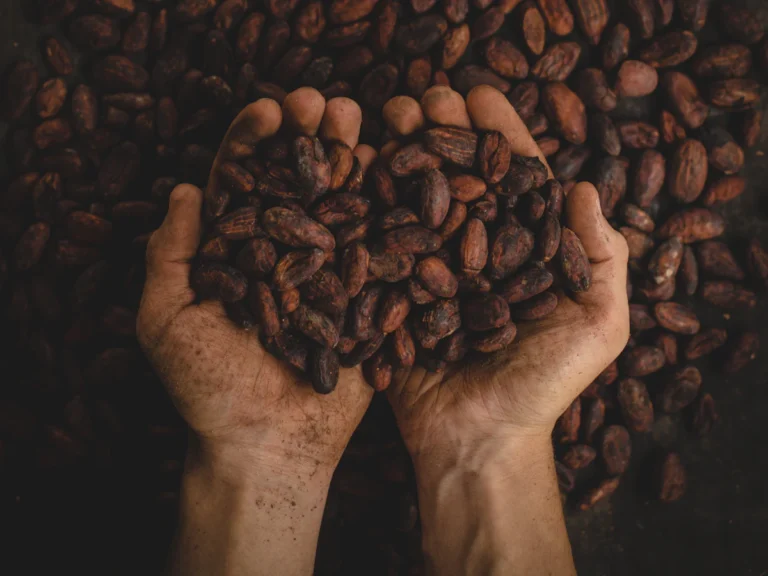
Trade from Cameroon to Canada links two bilingual countries through cocoa, coffee, spices and kola. Canadian chocolate makers, roasters, spice importers and African food wholesalers all buy goods that Cameroon grows. BV Holdings Agro loads these goods at Douala or Kribi and quotes FOB, CFR or CIF to the Canadian port you name.
This page is for importers in Canada. First, it lists the products Canadian buyers most often ask about. Next, it explains the tariff treatment, the sea route, CFIA licensing and the papers your broker will need. Then it covers Incoterms, seasons and the steps to place an order.
Cameroon, like Canada, has English and French as official languages. So French and English paperwork is familiar at both ends of the Cameroon to Canada route. We are a B2B trading house in Yaoundé, and orders start from one 20ft container.
Products in demand from Cameroon to Canada
The table shows the lines that suit the Canadian market best. Each product name links to its own page, with a typical specification, packing details and FAQ. The HS codes are a guide; your customs broker confirms the full Canadian tariff item.
| Product | Typical buyer in Canada | HS code |
|---|---|---|
| Cocoa beans | Grinders, chocolate and bean-to-bar makers | 1801.00 |
| Cocoa butter | Chocolate, confectionery and cosmetics firms | 1804.00 |
| Cocoa powder | Bakeries, dairy and hot-chocolate brands | 1805.00 |
| Green Arabica coffee | Speciality and café roasters | 0901.11 |
| Green Robusta coffee | Blend and espresso roasters | 0901.11 |
| Dried ginger | Spice packers and drink makers | 0910.11 / 0910.12 |
| Black pepper | Spice grinders and meat processors | 0904.11 |
| White pepper | Fine-food importers and sauce makers | 0904.11 |
| Sesame seeds | Bakeries and tahini makers | 1207.40 |
| Kola nuts | African and Caribbean food wholesalers | 0802.70 |
| Bitter kola | Diaspora food and herbal wholesalers | Confirmed per proforma |
| Natural rubber | Tyre and rubber goods plants | 4001.22 |
In short, cocoa and coffee lead the Cameroon to Canada list. Spices come next. Meanwhile, kola and bitter kola serve Canada’s growing Central and West African community, from Montréal to Toronto. For the full ranges, see our green coffee, spices and nuts and kola categories.
Tariff treatment: Cameroon to Canada under the GPT
Canada has no free trade agreement with Cameroon. However, Cameroon is a beneficiary of Canada’s General Preferential Tariff (GPT). This programme gives lower or zero duties on many goods from developing countries. Canada has renewed the GPT in law to 31 December 2034.
Note one point clearly. Cameroon is a GPT country, not a Least Developed Country Tariff (LDCT) country. The LDCT is Canada’s broader duty-free scheme for the poorest countries. So the GPT rate, not the LDCT rate, is the one to check for goods from Cameroon to Canada.
In practice, many of our lines face little or no duty anyway. Several raw tropical goods, such as cocoa beans and green coffee, carry a zero general (MFN) rate in Canada’s tariff. For processed or spice lines, the GPT rate may help. Your broker confirms the rate for your exact tariff item.
To claim the GPT, the goods must meet its rules of origin and shipping conditions, backed by proof of origin. We supply a certificate of origin with every Cameroon to Canada shipment. Department of Finance Canada explains the scheme on its page on Canada’s tariff preference programs for developing countries.
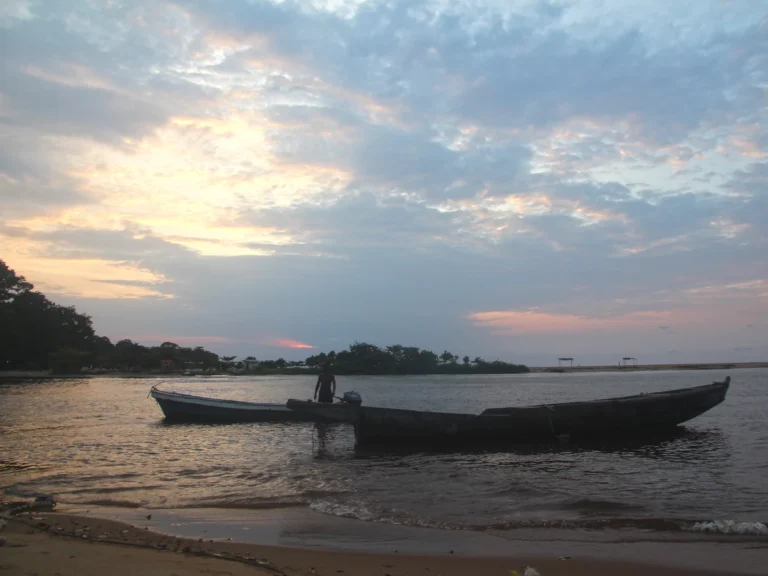
Shipping route: Douala or Kribi to Canadian ports
Cargo on the Cameroon to Canada lane leaves from Douala or Kribi. Douala is the main commercial port, on the Wouri estuary. Kribi is a deep-water port further south that can take larger ships. We pick the port with you, based on the product, its inland origin and the next sailing.
On the Canadian side, most buyers will use an Atlantic or St Lawrence port:
- Montréal — the main gateway for Quebec and Ontario, deep inland on the St Lawrence and open all year.
- Halifax — a deep-water Atlantic port with rail links to central Canada.
- Saint John — a smaller Atlantic port in New Brunswick.
- Vancouver — the main Pacific port, for buyers in British Columbia and the Prairies.
Most Cameroon to Canada cargo moves in 20ft or 40ft dry containers. Services usually tranship at least once, often at a European hub. For this reason, transit is typically several weeks, and we confirm it at booking. Vancouver routings take longer than the Atlantic ports.
Winter needs some thought too. Bagged goods do not mind the cold. However, cocoa butter and similar fats can be affected by sharp swings in temperature. So plan the inland leg, and tell us if you need special stowage. We quote CFR or CIF to the port you name.
CFIA and CBSA rules for Cameroon to Canada imports
Two agencies matter most. The Canada Border Services Agency (CBSA) clears the goods and collects duties. Meanwhile, the Canadian Food Inspection Agency (CFIA) covers food safety and plant health.
The Safe Food for Canadians licence
Under the Safe Food for Canadians Regulations, you need a CFIA licence to import most foods. The licence must cover “importing food” and the right commodities. Before you apply, you must also meet preventive control requirements, such as a preventive control plan where one applies. Non-resident importers without a fixed place of business in Canada may also apply. The CFIA’s page on importing food with an SFC licence explains the steps.
Plant health and import conditions vary by product and origin. The CFIA’s Automated Import Reference System (AIRS) shows the conditions for each tariff item. For example, some goods need a phytosanitary certificate, while others need none. Your broker checks AIRS before the goods ship.
For a typical Cameroon to Canada shipment, expect these papers:
- Commercial invoice, packing list and bill of lading.
- Certificate of origin, to support a GPT claim.
- Phytosanitary certificate from MINADER where AIRS requires it.
- Weight and quality certificate from the agreed inspection company.
- Fumigation certificate where required.
- ONCC export quality certificate for cocoa and coffee.
- Lab reports, such as aflatoxin or pesticide residue, where agreed.
Residues, contaminants and labels
Pesticide residue limits are set by Health Canada’s Pest Management Regulatory Agency. Health Canada also sets maximum levels for contaminants such as aflatoxin. Therefore, tell us your limits early, and we will build the right tests into the offer. If goods will be repacked for retail, the consumer labels must meet Canadian rules, including English and French text. For bulk bags, we can print export marks in both languages on request.
The EU’s EUDR does not apply to Canadian imports. However, if you re-export to the EU, your buyer may ask for traceability data. Our export documents and compliance page explains each paper.
Kola and speciality lines from Cameroon to Canada
Not every buyer wants a full container of one product. For example, African food wholesalers often want kola nuts, bitter kola, dried ginger and pepper. Ask us whether such lines could share one container. We confirm in the offer whether a mixed load is possible for your goods.
Kola nuts can ship fresh or dried. Fresh nuts need ventilated bags or baskets with liners, plus careful timing. Dried nuts travel in 50 kg jute or PP bags. Meanwhile, bitter kola usually ships in 25 to 50 kg bags. Its tariff line varies, so we confirm the HS code on the proforma invoice. Your broker then checks the CFIA conditions in AIRS.
So if your Cameroon to Canada order is small and varied, say so in your inquiry. We will suggest the most practical way to load it, starting from one 20ft container.
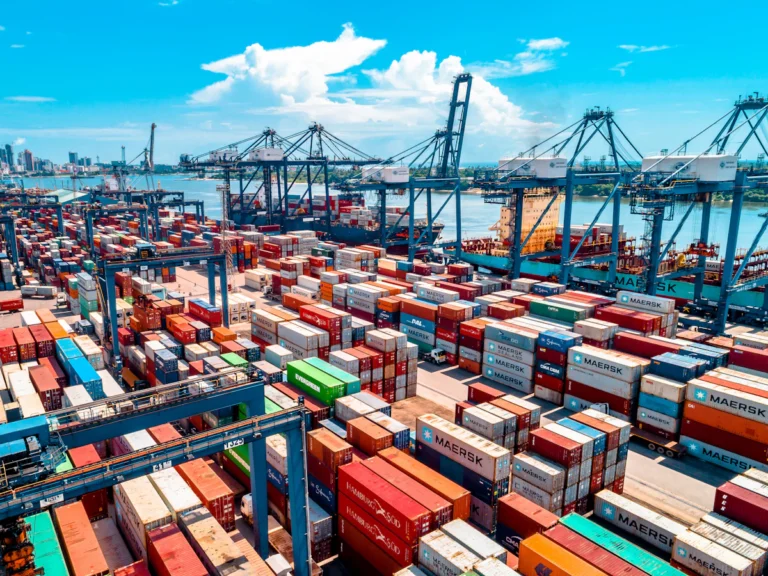
Incoterms for Cameroon to Canada contracts
We quote three Incoterms on the Cameroon to Canada route. Each one splits cost and risk in its own way.
- FOB Douala or Kribi. You book the ship and insure the cargo. This suits Canadian traders with their own freight deals.
- CFR Montréal or Halifax. We book and pay sea freight, and you insure. This suits firms with an open cargo policy.
- CIF to your Canadian port. We book freight and buy minimum cargo insurance. This suits newer importers who want one simple price to the port.
Under all three terms, risk passes to you once the goods are on board in Cameroon. The difference is who arranges freight and cover. For example, a large chocolate maker may prefer FOB to use its own lines. A small Montréal roaster may prefer CIF for ease. Our FOB vs CIF guide explains the choice in plain terms.
When to buy: seasons for Cameroon to Canada cargo
Most crops on the Cameroon to Canada list have set harvest windows. Buying early gives you more choice of grade and lot. In addition, the longer route means you should plan further ahead than a European buyer.
| Product | Main harvest window | Tip for Canadian buyers |
|---|---|---|
| Cocoa beans | Main crop Sept–Feb; mid-crop May–Aug | Contract main-crop beans in early autumn |
| Arabica coffee | Oct–Jan | Ask for samples in December |
| Robusta coffee | Nov–Feb | Book volume as the crop peaks |
| Ginger | Dec–Mar | Buy dried ginger early in the year |
| Black and white pepper | Nov–Mar | Lock in volume before spring |
Seasons move a little with the rains each year. Our Cameroon harvest calendar gives the full picture. Then plan your Cameroon to Canada contracts so cargo lands well before your peak, such as Easter or the holiday season.
Quality checks before loading
Every Cameroon to Canada lot passes five checkpoints. First, we buy in the producing region. Second, we dry and store the goods off the ground in covered warehouses. Third, we sample and test against your contract spec. Fourth, we clean, sort and pack in new export-marked bags with a lot number. Finally, inspection and any needed fumigation take place before loading.
Tests depend on the product. Cocoa gets a cut test for mould, slate and insect damage. Coffee is graded by screen size and defect count. Seeds and spices can be tested for aflatoxin against Canadian limits. Moisture and foreign matter are checked on every lot. In addition, cocoa and coffee export lots are subject to quality control by Cameroon’s National Cocoa and Coffee Board (ONCC).
You may also appoint your own inspector, such as SGS, Bureau Veritas, Intertek or Cotecna. The inspector samples the lot, checks weight and issues a certificate before shipment. These records can also support your preventive control plan. Our quality and sourcing page covers each step.
Packing and pricing on the Cameroon to Canada route
We pack to suit the product and the long crossing. Cocoa beans ship in new jute bags of about 62.5 to 65 kg. Green coffee goes in new 60 kg jute bags, with hermetic liners on request. Spices and kola use 25 to 50 kg jute or PP bags, with liners where needed. Cocoa butter ships in 25 kg cartons with a food-grade liner.
Container loads are approximate. For example, a 20ft box holds about 12 to 12.5 tonnes of bagged cocoa beans, while heavier goods load more. We state the expected net weight in each offer, in metric tonnes.
We do not publish prices, because markets move daily. Cocoa and coffee are priced off the ICE futures, plus an origin and quality differential. Grade, season, freight, packing and payment terms then shape the offer. In short, a clear inquiry gets a faster and sharper Cameroon to Canada quote.
How to order from Cameroon to Canada
Ordering from BV Holdings Agro runs in four steps:
- 1. Inquiry. Send the product, grade, volume, Canadian port and Incoterm.
- 2. Offer and sample. We send a written offer and, where possible, a sample of the lot.
- 3. Agreement. We sign a contract on spec, price, Incoterm, payment terms, inspection and shipment window.
- 4. Shipment. We prepare, inspect and load the goods, then release papers per the payment terms.
Payment security, such as a letter of credit or documentary collection, is agreed in the contract, and you arrange it. Our export process page shows the full six-step version. Meanwhile, buyers south of the border can read our Cameroon to the United States page, and French buyers can see Cameroon to France.
Why buy from BV Holdings Agro
- Bilingual origin. Cameroon shares both of Canada’s official languages.
- One counterparty. We source, test, pack and ship, so you have one contact.
- Two loading ports. Douala and Kribi give flexible Cameroon to Canada sailings.
- Honest claims. We never claim certificates or data we cannot document.
- Group backing. We are part of BV Holdings PLC, with a cocoa division at BV Cocoa Products.
So the Cameroon to Canada link is as much about language as trade. To see every market we serve, visit our export markets hub.
FAQ
What tariff applies to goods from Cameroon to Canada?
Cameroon is a beneficiary of Canada’s General Preferential Tariff (GPT), which runs to 31 December 2034. It is not an LDCT country. Many raw goods, such as cocoa beans and green coffee, carry a zero general rate anyway. For other lines, the GPT may lower the duty. Your broker confirms the rate for your exact tariff item.
Do I need an SFC licence to import from Cameroon?
For most foods, yes. The Safe Food for Canadians Regulations require a CFIA licence to import most foods, covering “importing food” and the right commodities. You must also meet preventive control requirements before you apply. The CFIA licensing tool helps you check. We then supply lab and inspection papers that support your records.
Which Canadian ports do you quote?
We quote CFR or CIF to the main Canadian container ports, including Montréal, Halifax, Saint John and Vancouver. Most buyers in Quebec and Ontario choose Montréal or Halifax. If you prefer FOB, you book the ship yourself from Douala or Kribi. In general, pick the port nearest your plant, because inland freight can cost more than the sea leg.
How long does shipping from Cameroon to Canada take?
Transit is typically several weeks, and we confirm it at booking. Most services tranship at least once, often in Europe, so the time depends on the line and the hub. Vancouver routings take longer than the Atlantic ports. We share the vessel name and estimated arrival once space is booked, so you can plan clearance.
Can documents be issued in French?
French and English are both official languages in Cameroon, so many official papers there are issued in French, English or both. If your Quebec plant or broker needs French text on a document, tell us at inquiry stage. We will then confirm which papers can carry it before you sign, so there are no surprises at clearance.
What is the minimum order?
Orders start from one 20ft container for every product. However, the tonnage per box varies with product and packing. For example, bagged cocoa beans load at about 12 to 12.5 tonnes per 20ft. Heavier goods, such as sesame, load more. We confirm the expected net weight in the offer, so you can plan storage and inland freight.
Are your lots certified organic or Fairtrade?
No. We do not claim Canada Organic, Fairtrade or Rainforest Alliance status for our lots. Instead, we show quality through a typical specification, lab results and independent inspection. If your customers need a certified chain, tell us early. That way, we can be clear about what we can and cannot provide before you plan a programme.
Can you send samples to Canada first?
Yes, samples and offers follow an inquiry. Send the product, grade, volume, Canadian port and Incoterm. We will reply with a written offer and, where possible, a sample of the lot by courier. Your lab can then test the goods before you sign, which lowers the risk on a first order. Some samples may need their own import papers.
Other Americas markets

One arm of BV Holdings PLC
BV Holdings Agro is the agricultural export company of BV Holdings PLC, alongside BV Cocoa Products and BV Metal & Minerals.
Source from Cameroon for Canada
Tell us the product, grade, volume and Canadian port, and we will reply with a written offer.