Cameroon Green Robusta Coffee exported to your specification
We export Cameroon green Robusta coffee to roasters, soluble coffee plants and traders. Lots come from the Littoral (Moungo), South-West and East regions, and each one is checked for moisture, screen and defects before loading.
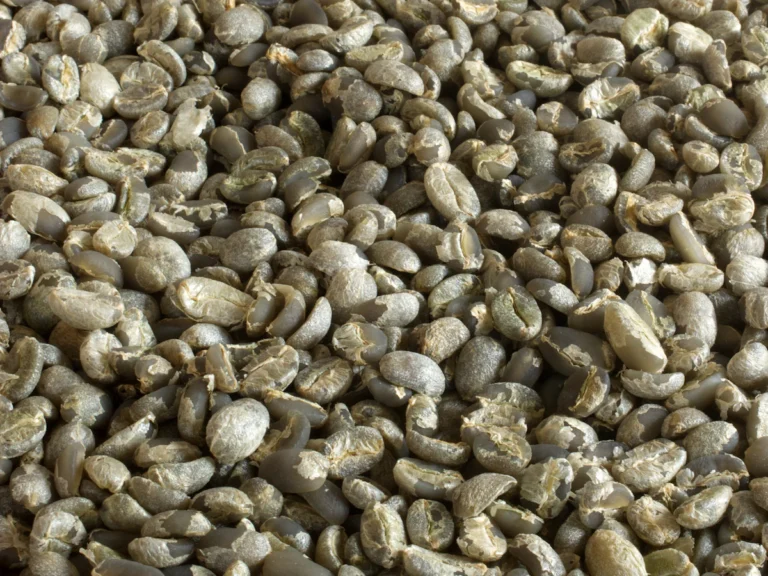
BV Holdings Agro exports Cameroon green Robusta coffee to roasters, soluble coffee plants and green coffee traders. Robusta is the main coffee crop in Cameroon. It grows in the warm lowlands of the Littoral, mostly the Moungo area, and in the South-West and East regions.
We buy from producer groups and aggregators in these regions. Then we consolidate the beans, check each lot against the contract and load full containers at Douala or Kribi. As a result, you get one point of contact from offer to bill of lading.
Most Cameroon green Robusta coffee is processed by the natural method. So the cup is bold and full, with low acidity and a strong body. This page covers regions, specification, grades, quality checks, packaging, documents, pricing and the order steps. If you already know what you need, you can request a quote right away.
Where Cameroon green Robusta coffee is grown
Robusta likes heat, humidity and lower ground. In Cameroon, that means three main areas. First comes the Moungo valley in the Littoral, around towns such as Nkongsamba, Loum, Melong and Penja. Its volcanic soils also feed bananas and the famous Penja pepper.
Second, the South-West Region grows Robusta in the Meme and Kupe-Muanenguba areas. Third, the East Region has wide forest farms around Bertoua, Batouri and Abong-Mbang. East Robusta often travels a long way by road to the ports, so we plan the haulage with care.
Most farms are small family plots of a few hectares. Many growers keep coffee under forest shade or beside cocoa, plantain and food crops. Because the farms are small, one container of Cameroon green Robusta coffee often combines beans from many growers. For this reason, we bulk lots of a similar grade and give each one its own lot number.
The main harvest runs from about November to February. Pickers strip or pick the ripe cherries by hand. Then farmers dry the whole cherries in the sun, on mats, tarpaulins or concrete yards. Drying takes two to four weeks, depending on the weather. Finally, hullers remove the dried husk and the beans go to the warehouse for sorting. Our Cameroon harvest calendar shows how this fits with cocoa and Arabica.
Typical specification of Cameroon green Robusta coffee
The values below are normal for export grades of Cameroon green Robusta coffee. Each offer then states the exact limits for that lot.
| Parameter | Typical value |
|---|---|
| HS code | 0901.11 |
| Species | Coffea canephora (Robusta) |
| Process | Natural (dry processed) |
| Moisture | ≤ 12.5% |
| Screen size | 18 (Grade 1), 16 (Grade 2), 14 by contract |
| Black and broken beans | Set per grade, for example ≤ 3–5% |
| Foreign matter | ≤ 0.5% |
| Caffeine | About 2–2.7% |
| Odour | Clean, free from mould, smoke or ferment |
| Harvest | About November to February |
| Packaging | New 60 kg jute bags |
Final specifications are confirmed in each contract and verified before loading.
Moisture is the first number to watch. Above 12.5%, beans can grow mould and pick up a musty taste at sea. Screen size, meanwhile, shows how even the beans are. In addition, the share of black and broken beans tells you how well the coffee was dried and hulled. You can read more on our quality control page.

Grades and how to choose
We grade Robusta by screen size and defect level. A screen 18 grade means most beans stay on a sieve with holes of 18/64 of an inch. Larger beans roast more evenly. However, smaller screens still give good value for extraction.
- Grade 1, screen 18: large, even beans for roasters who sell whole bean or premium blends.
- Grade 2, screen 16: a solid all-round grade for espresso blends and ground coffee.
- Other screens, such as 14: good value for soluble coffee, by contract.
So how do you pick a lot of Cameroon green Robusta coffee? First, decide how the beans will be used. Roasters who show whole beans usually want Grade 1. Soluble plants, by contrast, care more about yield and price than bean size. Then set your defect limits, since black beans and foreign matter affect the cup in any grade.
Some buyers also ask for a machine-sorted or hand-picked lot with tighter defect limits. These lots take more work at the warehouse, so they carry a higher price. Still, they can lift the cup of a blend without changing its cost much.
Most Cameroon Robusta is natural. However, washed lots can be offered on request, subject to supply. Washed Robusta has a cleaner, softer cup, which some espresso roasters like. To compare the two species, see our Arabica vs Robusta guide.
Quality control of Cameroon green Robusta coffee before loading
We check every lot of Cameroon green Robusta coffee before it leaves the warehouse. First, we draw samples from a share of the bags. Then we test those samples for the points below.
- Moisture: measured with a calibrated meter against the contract limit.
- Screen: a sieve test shows the share of beans on each screen.
- Defects: graders count black, broken and insect-damaged beans in a set sample.
- Foreign matter: stones, sticks and husks are picked out and weighed.
- Odour: any musty, smoky or earthy smell fails the lot.
Each defect has a cause. Black beans often come from dead or over-ripe cherries left too long on the ground. Broken beans usually come from rough hulling or over-dry coffee. Meanwhile, small holes point to the coffee berry borer, a common pest in warm areas. Mouldy beans, finally, mean the coffee was dried too slowly or stored damp.
Coffee export lots in Cameroon are also subject to quality control by the National Cocoa and Coffee Board (ONCC). For this reason, an ONCC export quality certificate travels with the shipping papers. In addition, you can nominate an inspection company such as SGS, Bureau Veritas, Intertek or Cotecna. They can sample, weigh and seal the lot before it loads.
Many roasters also ask for a pre-shipment sample. You roast and cup it, and then you approve the lot before it ships.
For roasters with a set blend, we can also arrange a cup test on the offer sample. A taster roasts it and notes body, bitterness, sweetness and any off-flavours. So you can compare our lot with the coffee you use today.
Uses and industries
Cameroon green Robusta coffee goes to trade buyers only. We sell green beans, because we do not roast or grind coffee. The main uses are listed below.
- Espresso blends: Robusta adds crema, body and a strong finish.
- Soluble coffee plants: high soluble solids give good extraction yield.
- Commercial roasters: a base for ground coffee, pods and capsules.
- Importers and traders: container lots for resale to smaller roasters.
Robusta also holds up well in milk drinks and in ready-to-drink coffee, since its bold taste cuts through milk and sugar. Many roasters blend it with a milder bean. For example, our green Arabica coffee comes from the West and North-West highlands, and it pairs well with Robusta. You can also browse the full green coffee range.
Soluble plants value Cameroon green Robusta coffee for its yield and its strong, earthy base. After extraction, it becomes spray-dried or freeze-dried instant coffee.
Some buyers source cocoa from the same origin too. Our cocoa beans load at the same ports, so one inquiry can cover both.
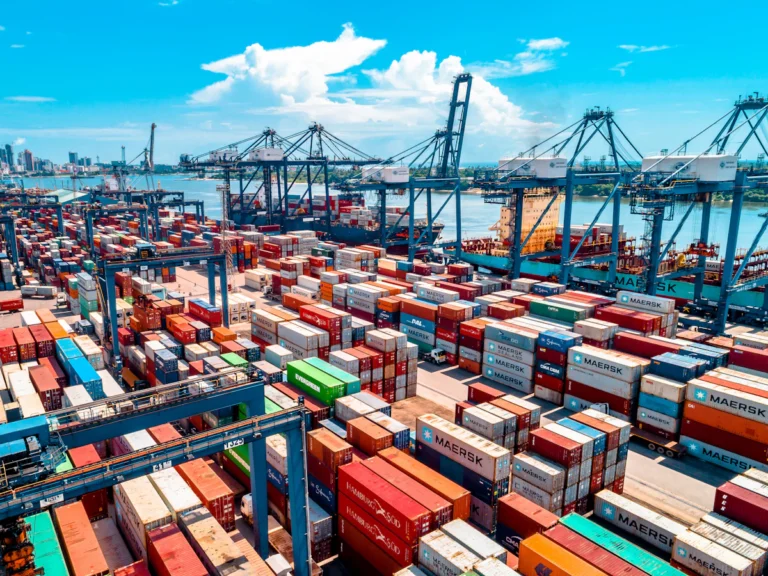
Packaging, loading and container capacity for Cameroon green Robusta coffee
We pack Cameroon green Robusta coffee in new 60 kg jute bags, marked with the lot number. Bulk loading in a container liner is also possible on request. In addition, we can add hermetic bag liners for long voyages or long storage.
A 20ft container typically holds about 320 bags of 60 kg, so roughly 19.2 tonnes. With a bulk liner, the load is a little higher, often about 21 tonnes, because there are no bags. Meanwhile, a 40ft container can take more volume, although weight limits on the road and at sea apply.
Between hulling and loading, the bags rest in covered warehouses, off the ground on pallets. Before loading, the crew also checks that the container is clean, dry and free of smells. On request, we can add kraft paper lining or desiccant bags to cut the risk of condensation.
Coffee from the East travels a long way to the coast, by road and in some cases by rail. We plan that leg so the bags stay covered and dry, and we time it to meet the vessel cut-off.
Fumigation is applied where the destination requires it. Then the container loads at Douala or Kribi. We quote FOB, CFR or CIF, so you choose who books the freight and insurance. Our FOB vs CIF guide explains the difference. You can also follow each stage on our export process page.
Export documents and EU rules for Cameroon green Robusta coffee
Each shipment of Cameroon green Robusta coffee travels with a full set of papers. The standard set is listed below.
- Commercial invoice and packing list.
- Bill of lading.
- Phytosanitary certificate from MINADER plant protection.
- Certificate of origin.
- Weight and quality certificate from the agreed inspection company.
- ONCC export quality certificate.
- Fumigation certificate, where required.
- Lab reports, such as pesticide residue or ochratoxin A, where agreed.
EU buyers face extra rules. Coffee falls under the EU Deforestation Regulation (EUDR). Under it, the operator who places coffee on the EU market must file a due diligence statement. That statement needs the geolocation of the plots where the coffee grew. It must also show that the land was not deforested after 31 December 2020, and that the coffee was produced legally.
We do not make EUDR compliance claims on this page. Instead, tell us your due diligence needs in your first inquiry. We will then tell you what supply-chain data we can provide for that lot. The rules and their start dates have changed before, so check the current position with your compliance team.
EU buyers also check pesticide residues against EU maximum residue levels (MRLs). Many test for ochratoxin A as well, since the EU limits it in roasted and soluble coffee. Rules for other markets, such as the UK or the Middle East, are agreed per contract. The International Coffee Organization also reports Robusta prices and trade flows.
Storage, shelf life and arrival care
Green coffee keeps well when it is stored right. Cameroon green Robusta coffee in jute bags usually holds its quality for many months in cool, dry storage. Hermetic liners can stretch that further. On arrival, keep the bags on pallets and away from walls and strong odours. Also, keep warehouse humidity steady and moderate. Finally, use older stock first, so your blends stay consistent. If you plan long storage, ask about liners at the offer stage.
How pricing works for Cameroon green Robusta coffee
We do not publish fixed prices, because the coffee market moves every day. Most Robusta trades against the ICE Robusta futures market in London. A seller then adds or subtracts a differential for origin, grade and quality.
Several points shape each offer for Cameroon green Robusta coffee:
- Screen size and the black and broken limit.
- Process, since washed lots usually cost more than natural ones.
- Volume and the number of containers.
- Incoterm: FOB, CFR or CIF, plus freight and insurance costs.
- Shipment window and the stage of the harvest.
- Extras, such as bulk liners, lab tests or third-party inspection.
Grade 1 lots of Cameroon green Robusta coffee usually earn a better differential than smaller screens. Price, payment terms and the shipment window are then agreed in the contract. So the offer you receive covers your grade, volume and port, rather than a list price. Large or regular buyers can also agree a schedule of shipments across the season.
How to order from BV Holdings Agro
Every order of Cameroon green Robusta coffee follows six clear steps. Each one is short, and you always know what happens next.
- 1. Inquiry: you send the grade, volume, port and Incoterm you need.
- 2. Offer and sample: we send an offer and a green sample.
- 3. Contract: both sides sign the spec, price, Incoterm, payment terms, inspection method and shipment window.
- 4. Payment security: you arrange a letter of credit, documentary collection or other agreed terms.
- 5. Preparation and inspection: we prepare, check and inspect the lot.
- 6. Shipment and documents: we ship, and the papers are released per the payment terms.
What should your first inquiry include? Give us the grade, process, volume, packaging, destination port, Incoterm and shipment month. Also list any lab tests or EUDR data you need. The more detail you give, the faster we can send a firm offer. New to this origin? Our guide on how to import from Cameroon walks through each stage.
Why buy from BV Holdings Agro
In short, we aim to make buying Cameroon green Robusta coffee simple. You deal with one team, and every promise sits in the contract.
- Supply from Cameroon’s main Robusta regions.
- Moisture, screen and defect checks before loading.
- Offer and sample after your inquiry.
- Full export papers, including the ONCC certificate.
- Third-party inspection when you ask for it.
- Part of BV Holdings PLC, with a team based in Yaoundé.
Cameroon green Robusta coffee FAQ
Which grades of Cameroon green Robusta coffee do you offer?
We offer Grade 1 at screen 18 and Grade 2 at screen 16. We can also agree other screens, such as 14, per contract. Each grade comes with a set limit for black and broken beans and foreign matter. The final limits are written into the contract and checked before loading.
Do you sell washed Robusta?
Most Cameroon Robusta is natural, dried in the whole cherry. However, washed lots can be offered on request, subject to supply in that season. Washed Robusta has a cleaner and softer cup. As a result, it usually costs more than natural coffee of the same screen.
Which regions does your Robusta come from?
Our Robusta comes from three main areas. These are the Moungo valley in the Littoral, the Meme and Kupe-Muanenguba areas of the South-West, and the forest farms of the East Region. All three have the warm, humid lowland climate that Robusta needs to grow well.
How is Cameroon green Robusta coffee packed?
We pack it in new 60 kg jute bags with export marks and a lot number. A 20ft container holds about 320 bags, so roughly 19.2 tonnes. Bulk loading in a container liner is also possible on request. Hermetic bag liners can be added for long voyages.
What is the minimum order?
The minimum order is one 20ft container. We quote FOB, CFR or CIF from Douala or Kribi. We do not sell retail quantities. Larger buyers can, of course, order several containers. In that case, we can agree a shipment schedule across the harvest season in the contract.
What does the ONCC do?
The National Cocoa and Coffee Board (ONCC) carries out quality control on cocoa and coffee export lots in Cameroon. An ONCC export quality certificate then travels with the other shipping papers. In addition, you can nominate your own inspection company, such as SGS or Bureau Veritas, to check the lot.
Can you support EUDR due diligence?
Under the EUDR, the due diligence duty sits with the operator who places coffee on the EU market. We do not make compliance claims. However, tell us your data needs in your inquiry, such as plot geolocation. We will then say clearly what supply-chain information we can provide for that specific lot.
Can I get a sample of Cameroon green Robusta coffee first?
Yes. Send an inquiry with your grade, volume and port. Then we send an offer and a green sample for roasting and cupping. Many buyers also ask for a pre-shipment sample from the actual lot. That way, you approve the coffee before it is loaded.
Related commodities
Export markets we quote

One arm of BV Holdings PLC
BV Holdings Agro is the agricultural export company of BV Holdings PLC, alongside BV Cocoa Products and BV Metal & Minerals.
Request a Cameroon green Robusta coffee quote
Need Cameroon green Robusta coffee for your blends or soluble line? Request a quote with your grade, volume and port, and we will reply with an offer and a sample.