Cameroon Black Pepper exported to your specification
BV Holdings Agro exports whole Cameroon black pepper, cleaned and graded by bulk density. Lots come mainly from the volcanic Moungo valley, and PGI-labelled Penja lots can be discussed on request.

BV Holdings Agro supplies whole Cameroon black pepper to spice importers, grinders and food makers. Farmers pick the green berries, then sun-dry them until the skin turns black and wrinkled. We then clean and grade each lot before export.
Most of our pepper grows in the Moungo valley in the Littoral region, around Penja, Njombé and Loum. The rich volcanic soils there give the berries a bold, aromatic heat. Penja pepper holds PGI status (OAPI 2013, EU 2022). However, our standard lots are not sold as PGI-certified. Instead, we can discuss PGI-labelled lots on request.
This page covers where Cameroon black pepper grows, typical specs, grades, checks, packing, documents and ordering. In short, it gives you what you need before you ask for an offer. See the wider spices range for related products.
Where Cameroon black pepper is grown
Pepper is a climbing vine, Piper nigrum, that needs heat, rain and shade. The Moungo valley offers all three. It sits between Mount Cameroon and the Manengouba massif, and its soils come from old volcanic rock. For this reason, the soil is deep, dark and rich in minerals.
Growers train the vines up live support trees or wooden poles. A new vine starts to bear after about three years and can crop for many years after that. Farms are mostly small, and many growers also plant bananas, cocoa or food crops. Some pepper also comes from the South-West region, close by.
The main harvest runs from about November to March. Pickers climb ladders and strip the spikes by hand. For black pepper, they pick when the berries are full-sized and still green, or when the first berries on a spike turn yellow or red. Then they separate the berries from the stalks.
Next, the berries dry in the sun on mats, tarpaulins or clean concrete. Some growers dip them briefly in hot water first, which speeds drying and evens the colour. Drying takes several days. At the end, the skin is black, wrinkled and hard, and the berry rattles. Our Penja pepper guide explains the origin in more depth.
We buy dried lots in the valley and move them to covered warehouses. There, bags sit on pallets, off the ground, until we sample and test them. Because the Moungo valley lies a short road trip from Douala port, Cameroon black pepper spends little time in transit before loading.
Typical specification of Cameroon black pepper
The table shows normal trade values for whole, cleaned lots. Also, we can adjust most limits to your buying spec.
| Parameter | Cameroon black pepper: typical value |
|---|---|
| Form | Whole, dried berries |
| Moisture | 12% max |
| Bulk density | 500–570 g/L (by grade) |
| Light berries | 2% max |
| Pinheads and broken | 2% max |
| Extraneous matter | 1% max |
| Mould | 1% max |
| Volatile oil | 2.0 ml/100 g min |
| Piperine, aflatoxin, ochratoxin A, residues | Tested on request, to destination limits |
| HS code | 0904.11 (neither crushed nor ground) |
Final specifications are confirmed in each contract and verified before loading. Our values sit close to the ISO standard for black pepper (ISO 959-1). For test methods, see our quality control page.

Grades of Cameroon black pepper and how to choose
Black pepper trades mainly by bulk density, because denser berries carry more flavour and less husk. Bulk density is the weight of one litre of pepper. So a higher figure means fuller, heavier berries.
- 500 g/L: a standard trade grade for grinding and blends.
- 550 g/L: a cleaner grade for table pepper and retail packs.
- 570 g/L and above: premium bold berries, offered when the crop allows.
How do you choose? Start with your end product. Grinders who sell powder often buy 500 g/L, because the berries go into a mill anyway. Retail packers and mill-jar brands prefer 550 g/L or higher, since bold, even berries look better on the shelf.
Cleaning level matters too. We can supply machine-cleaned lots, or garbled lots that have been sorted again to remove stalks, light berries and dust. Garbled Cameroon black pepper costs more but needs less work at your plant.
Some buyers also set a berry size, measured by sieve. Others specify a maximum level of light berries and pinheads. In short, tell us your target and we match the lot before sampling.
Harvest timing also affects the grade. Berries picked too early tend to be light and give a lower bulk density. Late-picked berries are fuller, but some may drop or turn red on the vine. So good lots of Cameroon black pepper come from careful, timely picking, followed by thorough drying.
Penja pepper and PGI: what buyers should know
Penja pepper is the best-known name for pepper from the Moungo valley. It was registered as a geographical indication with OAPI in 2013. Then, in 2022, it gained PGI status in the European Union.
A PGI protects the name. Only pepper that is grown and processed in the defined area, under the agreed rules, may use the PGI label. Producers who use the label are checked by the body that runs the scheme.
Our standard lots of Cameroon black pepper come from the same valley. However, they are not sold as PGI-certified, and we do not use the protected name on them. Instead, PGI-labelled lots can be discussed on request, subject to availability and to the scheme’s own rules and paperwork.
Quality control before loading
Every lot passes five checkpoints. First, we buy in the region from known producer groups and aggregators. Second, we dry and store the pepper at target moisture in covered warehouses, off the ground. Third, we sample and test against your contract spec.
Fourth, we clean, sort and pack in new export-marked bags with a lot number. Finally, independent inspection and fumigation take place where required, and we load at Douala or Kribi. This chain lets us trace every bag of Cameroon black pepper back to its lot.
So what do we check? Moisture comes first, because damp pepper moulds at sea. Next, we test bulk density with a standard litre measure. We also count light berries, which float in a water and alcohol mix, and pinheads, which are tiny, undeveloped berries. Then we check stalks, stones, dust and mould.
Lab tests can go further on request. For example, an independent lab can test volatile oil, piperine, aflatoxin, ochratoxin A, pesticide residues and microbes such as Salmonella. Many buyers steam-treat pepper at destination, so they set microbial limits for the finished product. Results then travel with the shipping documents.
You can also nominate your own inspection company, such as SGS, Bureau Veritas, Intertek or Cotecna. In that case, their surveyor samples the lot before it leaves the warehouse.
Common defects are simple to spot. Mouldy berries show a grey or white bloom. Light berries look hollow and crush easily. Meanwhile, brown or uneven colour often points to slow drying. We sort these out by hand and by machine, so the loaded lot of Cameroon black pepper matches the sample you approved.
Uses and industries for Cameroon black pepper
Black pepper is the most traded spice in the world. Buyers of Cameroon black pepper usually fall into these groups:
- Spice grinders and packers: mill whole berries into ground and cracked pepper for retail and catering.
- Table pepper and mill brands: pack bold whole berries for grinders and gift ranges.
- Meat processors: use pepper in sausages, cured meats and marinades.
- Sauce, snack and ready-meal makers: add pepper for heat and aroma.
- Oleoresin and oil plants: extract piperine and volatile oil.
- Fine food importers: sell origin pepper to chefs and delicatessens.
Pepper’s heat comes mainly from piperine, while its aroma comes from volatile oils. Volcanic-soil pepper is known for a rich, warm aroma. As a result, Cameroon black pepper suits buyers who want origin character as well as heat.
Chefs and fine food brands often present it as a single-origin pepper. For example, they sell bold whole berries in mills, gift tins or tasting sets. Meanwhile, industrial buyers use standard grades where steady heat and clean lots matter more than story.
Our core supply is whole pepper. We do not sell ground spice blends, because most buyers grind and treat pepper close to market. This keeps aroma fresher and lets them control mesh and microbial treatment.
Packaging, loading and container capacity
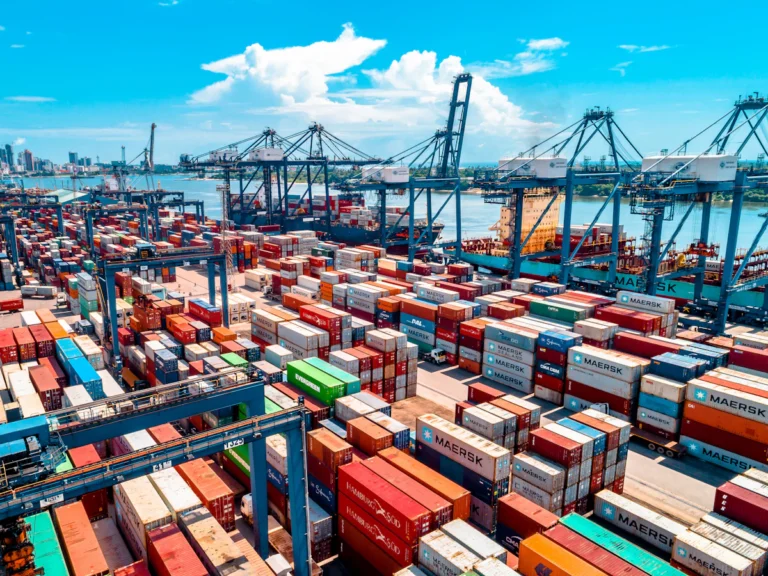
We pack Cameroon black pepper in new jute or polypropylene bags of 25–50 kg, or as agreed. Liners can be added where your spec needs them. Each bag carries export marks and a lot number.
A 20ft container usually takes about 15–18 tonnes. A 40ft container carries more, subject to weight limits, and we confirm the figure in each offer. Meanwhile, kraft lining and desiccants help keep the pepper dry at sea.
We also check bag condition before loading. Fumigation is carried out where your contract or the destination requires it. We load at Douala or Kribi and quote FOB, CFR or CIF. Our FOB vs CIF guide explains which term suits you.
Mixed loads are possible too. For example, you can combine Cameroon black pepper with white pepper, ginger or dried chili in one container. Each product then keeps its own lot number, bag marks and quality certificate. This helps smaller importers fill a box without overbuying one spice.
Export documents and compliance
Each load ships with a full set of export papers. These usually include:
- Commercial invoice and packing list.
- Bill of lading.
- Phytosanitary certificate from MINADER plant protection services.
- Certificate of origin.
- Weight and quality certificate from the agreed inspection company.
- Fumigation certificate, where required.
- Lab reports for residues, mycotoxins or microbes, where agreed.
Rules differ by destination, so we check them at the offer stage. For example, the EU sets maximum residue levels for pesticides. It also limits aflatoxins and ochratoxin A in pepper. The UK applies similar rules. In addition, the US requires food facility registration and prior notice, which your importer files.
Many buyers also follow cleanliness specs from the American Spice Trade Association or the European Spice Association. Others ask that lots are not treated with ethylene oxide, which the EU does not allow on food. We can write such points into the contract for your Cameroon black pepper.
Whole black pepper is classed under HS 0904.11, while crushed or ground pepper falls under HS 0904.12. Most of our loads use 0904.11, because we ship whole berries. Your customs broker should confirm the right tariff line and any duty for your country.
How pricing works
We price Cameroon black pepper per 20ft or 40ft container. Every offer is made for a set lot and shipment date. We do not publish a price list, because pepper prices move with the world market.
Vietnam is the largest producer and exporter of black pepper. Brazil, Indonesia and India are also major origins. So their crop sizes set the tone for world prices. Meanwhile, Cameroon origin often trades on character as well as price, especially for higher grades.
Local factors count too. The size of the Moungo crop, weather during drying and demand from nearby markets all affect what is on hand. So we quote Cameroon black pepper for a set lot and a short validity, then confirm by sample.
Your spec shapes the offer as well. Higher bulk density, garbled cleaning and low light-berry limits all raise the value. Extra lab tests, special packing and third-party inspection add cost too.
Finally, the Incoterm changes the figure. FOB covers goods to the ship, CFR adds freight, and CIF adds freight and insurance. Payment terms are agreed per contract. Because the CFA franc is pegged to the euro, euro and dollar moves can also shift offers made in US dollars.
How to order Cameroon black pepper from BV Holdings Agro
Our export process has six steps. You can read each one on our export process page.
- 1. Inquiry: you send grade, bulk density, volume, port and shipment month.
- 2. Offer and sample: we send a written offer and a sample from current stock.
- 3. Contract: both sides sign the spec, price, Incoterm, payment terms, inspection method and shipment window.
- 4. Payment security: you arrange a letter of credit, documentary collection or other agreed terms.
- 5. Preparation and inspection: we prepare, test and inspect the lot.
- 6. Shipment and documents: we load and ship, then release documents per the payment terms.
Most buyers start with one 20ft container. After that, many move to repeat loads across the season. New to this origin? Then read our guide on how to import from Cameroon.
Why buy from BV Holdings Agro
We keep the process simple, so you deal with one team from inquiry to loading.
- Direct sourcing in Cameroon, so one team in Yaoundé manages your order.
- Sourcing in the Moungo valley, close to Douala port.
- Pre-loading quality checks, and also independent inspection at your request.
- Grades matched to your bulk density target, confirmed by sample first.
- Part of BV Holdings PLC, which also runs BV Cocoa Products and BV Metal & Minerals.
FAQ: Cameroon black pepper
Is your Cameroon black pepper PGI-certified Penja pepper?
Our standard lots are not sold as PGI-certified, and we do not use the protected Penja name on them. However, PGI-labelled Penja lots can be discussed on request. Availability, price and paperwork then follow the PGI scheme’s own rules. Tell us in your inquiry if your market needs the PGI label, and we will explain the options for that season.
Which bulk density grades can you supply?
We usually offer 500 g/L and 550 g/L grades. Higher grades, such as 570 g/L and above, depend on the crop, so we confirm them by sample. Bulk density is tested with a standard litre measure before loading. The figure is also stated on the quality certificate, so your team can check it again on arrival.
What is the minimum order?
Our minimum order is one 20ft container, which holds about 15–18 tonnes of pepper. We also quote 40ft loads and mixed spice shipments. We do not sell retail or small parcel quantities. However, Cameroon black pepper and white pepper can share one container if volumes allow. Each product keeps its own lot number.
When is Cameroon black pepper harvested?
The main harvest runs from about November to March. Fresh crop is dried and cleaned during this period, so supply is strongest from late in the year into spring. Outside that window, we offer stored lots while stock lasts. We always confirm current availability of Cameroon black pepper in the offer, together with the crop year of the lot.
Can you test for Salmonella and mycotoxins?
Yes, on request. An independent lab can test for Salmonella and other microbes, plus aflatoxin, ochratoxin A and pesticide residues. We match the tests to your destination rules. The reports then travel with the shipping documents, and you may appoint your own inspection company as well.
Do you sell ground black pepper?
Our core supply is whole black pepper. We do not sell ground spice blends. Most buyers grind and steam-treat pepper near their market, which keeps the aroma fresh and gives them control of mesh and microbes. If you have a special need, describe it in your inquiry, and we will tell you plainly what we can supply.
How is Cameroon black pepper different from Asian origins?
The main difference is terroir. Moungo valley pepper grows in volcanic soil, which many chefs link to a rich, warm aroma. Asian origins such as Vietnam supply far larger volumes at standard grades. So buyers often choose Cameroon origin for character, while Asian pepper covers bulk grinding needs.
Which ports and Incoterms do you offer?
We load at Douala or Kribi. Offers can be FOB at the loading port, or CFR or CIF to your port of discharge. CIF includes minimum cargo insurance. Also, on CFR and CIF terms, our team books freight and shares the shipping schedule with you.
Related commodities

One arm of BV Holdings PLC
BV Holdings Agro is the agricultural export company of BV Holdings PLC, alongside BV Cocoa Products and BV Metal & Minerals.
Request a Cameroon black pepper quote
Ready to buy? Then request a quote with your grade, volume and port. We reply with an offer and sample details. You may also like our white pepper and dried chili .