Cameroon Soybeans exported to your specification
BV Holdings Agro exports Cameroon soybeans for oil crushers, feed mills and food makers. Each lot is checked for moisture, splits and foreign matter before loading.

BV Holdings Agro supplies Cameroon soybeans to oil crushers, feed mills and food processors in full container loads. The crop grows mainly in the Adamawa, North, West and North-West regions. We buy from producer groups and aggregators, then dry, clean, test and bag each lot for export.
This page sets out what a buyer needs before asking for an offer. It covers growing areas, typical specs, grades, testing, uses, packing, documents and pricing. In short, it should answer most questions before your first call.
We load at Douala or Kribi on FOB, CFR or CIF terms. In addition, each offer names the grade, packing, Incoterm and test plan in plain words, so you can compare it with other origins on equal terms.
Where Cameroon soybeans are grown
Most Cameroon soybeans come from the Adamawa plateau and the North region. Farmers in the West and North-West highlands also grow the crop. These areas have good rainfall in season and soils that suit legumes. As a result, soybean has become a useful cash crop next to maize.
Soybean is mainly a smallholder crop in Cameroon. Families grow it on small plots, often in rotation with maize. Because soybeans fix nitrogen from the air, the next maize crop needs less fertiliser. For this reason, many farmers grow the two crops together over the years.
Seasons and post-harvest handling
In the northern savannah, farmers sow with the first steady rains and harvest from about October. In the western highlands, timing follows the local rainy seasons, so harvest dates vary by area. Our Cameroon harvest calendar gives the wider picture for each crop.
At harvest, farmers cut the plants once the pods turn brown and dry. Then they thresh the pods and winnow out the chaff. Next, aggregators dry the beans further, clean them and pack them for transport. We then store the beans off the ground in covered warehouses, so moisture stays low until loading.
Speed matters after harvest. Beans left in damp heaps can heat, darken and lose oil quality. Therefore, we buy dry beans and move lots from region to warehouse without delay. This care keeps Cameroon soybeans sound for the long sea voyage.
Local demand and export availability
Cameroon’s own poultry and feed sector uses a large share of the national crop. As a result, export volumes depend on the season and on local demand. We confirm availability of Cameroon soybeans with each inquiry, rather than promising fixed tonnage. For larger programmes, it helps to plan purchases soon after harvest.
Typical specification of Cameroon soybeans
These are typical values for crushing and feed grade beans. Food grade lots, however, often carry tighter limits on splits and damage. Soybeans fall under HS 1201.90 in the WCO Harmonized System.
| Parameter | Cameroon soybeans: typical value |
|---|---|
| HS code | 1201.90 |
| Type | Yellow soybeans, whole |
| Moisture | 13% max. |
| Protein | 34% to 38% (as is) |
| Oil content | 18% to 20% |
| Foreign matter | 2% max. |
| Split beans | 10% max. |
| Damaged beans | 3% max. |
| GMO screening | Independent test on request |
| Crop | Latest crop |
Final specifications are confirmed in each contract and verified before loading.
Protein and oil are the two figures crushers watch most. Together they decide how much meal and oil a tonne of beans yields. Meanwhile, splits and damaged beans affect storage life and food uses.

Grades of Cameroon soybeans and how to choose
We match each lot to its end use, because a crusher and a tofu maker want different beans. So start by telling us what you will make.
- Crushing grade: sound whole beans with normal splits, for oil and meal.
- Feed grade: beans for full-fat soya after heat treatment, for poultry, pigs and fish.
- Food grade: cleaner beans with low splits and damage, for soy milk, tofu, flour and snacks.
Crushers usually accept higher splits, since the beans are cracked in the plant anyway. Food makers, however, want even, bright beans with few stains or broken pieces. For food use, we can arrange extra cleaning and hand-sorting by agreement.
Ask three questions when you compare offers for Cameroon soybeans. First, what are the protein and oil figures, and on what moisture basis? Second, how many splits and damaged beans does the lot carry? Third, which tests come with the shipment, for example GMO or aflatoxin?
Quality control and testing before loading
We check every lot against the contract before it moves to port. Our process follows five steps: buy in region, dry and store, sample and test, clean and pack, then inspect and load. The full method is on our quality control page.
What we check on each lot
- Moisture: we use a calibrated meter, because wet beans heat and mould in storage.
- Foreign matter: we sieve a weighed sample and remove stones, stalks, pod pieces and other seeds.
- Splits and damage: we sort out split, broken, heat-damaged and insect-damaged beans, then weigh each part.
- Protein and oil: a lab measures both on request, so you can plan your crush.
- Colour and smell: we look for dark beans and musty odours, which point to poor storage.
Common defects explained
- Splits: beans broken in half during threshing or handling. They store less well than whole beans.
- Heat-damaged beans: darkened beans from heating in damp storage. They lower oil quality and meal colour.
- Green beans: immature beans harvested too early. They can add a green tint to oil.
- Mouldy or insect-damaged beans: signs of poor storage, which raise food safety risks.
Each defect has its own limit in the contract. So we report every figure separately for Cameroon soybeans, instead of one total.
Lab tests on request
Some buyers need more than grade checks. For example, labs can test Cameroon soybeans for GMO content by PCR, for aflatoxin and for pesticide residues. We agree the lab, method and limit in the contract. Note that we do not claim non-GMO status without a test result for the lot.
In addition, you can nominate an inspection company such as SGS, Bureau Veritas, Intertek or Cotecna. The inspector samples the lot, watches loading and issues the weight and quality certificate. As a result, you get an independent view of each shipment.
How sampling works
The sampler draws small amounts from many bags across the lot with a sampling spear. Then the sampler combines and divides them into a lab sample, a buyer sample and a reference sample. So the test reflects the whole lot of Cameroon soybeans, not just the top layer.
Uses and industries for Cameroon soybeans
Soybeans serve several industries, so one crop can feed both kitchens and livestock. The FAO lists soybean among the main oil and protein crops worldwide.
- Oil crushers: extract oil for cooking and food, plus meal for feed.
- Feed mills: roast or extrude beans into full-fat soya for poultry, pigs and fish.
- Food makers: produce soy flour, soy milk, tofu, tempeh and snacks.
- Traders: buy bulk lots for re-sale to regional crushers and feed plants.
Raw soybeans contain trypsin inhibitors, which reduce protein digestion in animals. For this reason, feed mills always heat-treat whole beans before use. Crushers, meanwhile, toast the meal after oil extraction for the same reason.
What a crush yields
A tonne of beans gives roughly 18% to 20% oil, while most of the rest becomes meal. Exact yields depend on the plant, the process and the oil content of the lot. For this reason, crushers ask for lab figures before they buy Cameroon soybeans. We can arrange those tests on the offer sample.
Full-fat soya for feed
Some feed mills skip the crush and use the whole bean. They extrude or roast it into full-fat soya, which keeps the oil as extra energy. This suits poultry and young pigs well. However, the heat step must be right, so mills check urease activity after processing.
Feed buyers who prefer a ready protein meal can also look at our soybean meal. Many rations pair it with yellow maize for energy. Tell us your end use, so we can shape the offer for Cameroon soybeans around it.
Packaging, loading and container capacity
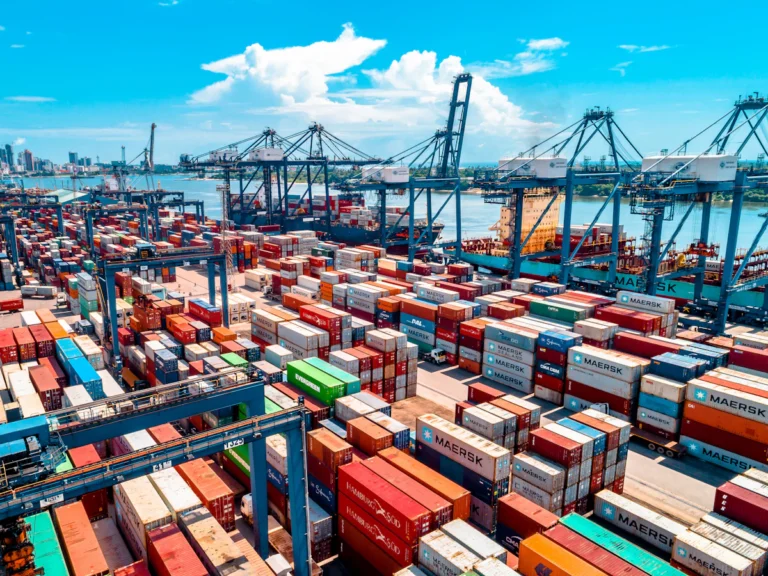
We ship soybeans in new 50 kg polypropylene bags, marked for export with a lot number. Liner bags for loose loading are also possible by agreement. Loading takes place at Douala or Kribi in clean, dry, odour-free containers.
- 20ft container: about 22 to 24 MT of bagged beans, depending on bag size.
- 40ft container: about 25 to 26 MT, because weight limits apply before space runs out.
- Fumigation: standard before loading, with a certificate where the buyer or destination requires it.
- Protection: kraft paper lining or desiccant on request, to limit condensation at sea.
Cameroon soybeans store well at low moisture. However, a hot, humid voyage can still cause sweating inside the box. Therefore, we check moisture again just before loading and record it on the quality report.
Storage at destination
Soybeans keep for many months in cool, dry and clean storage. Once they arrive, store Cameroon soybeans off the floor and away from walls in a ventilated warehouse. Also watch for insects, and keep moisture below 13%. Then the beans stay sound until you crush or process them.
Export documents and compliance for Cameroon soybeans
Every shipment travels with a full document set. We prepare the papers with the exact weight, grade and HS code, and release them according to the payment terms in your contract.
- Commercial invoice and packing list
- Bill of lading
- Phytosanitary certificate from MINADER plant protection
- Certificate of origin
- Weight and quality certificate from the agreed inspection company
- Fumigation certificate where required
- Lab reports for GMO, aflatoxin or pesticide residues, where agreed
EU rules: EUDR, GMO labelling and MRLs
Soya is one of the commodities covered by the EU Deforestation Regulation (EUDR). Under it, EU operators must file a due diligence statement with geolocation data for the plots where the crop grew. So EU buyers of Cameroon soybeans should ask us early which traceability data we can supply for a given lot. We describe what we can document, and we never claim more.
The EU also requires labelling of food and feed that contain more than 0.9% authorised GM material. In addition, EU pesticide maximum residue levels (MRLs) apply at the border. Other countries set their own rules. For example, some require an import permit, a pre-shipment inspection certificate or a specific fumigation treatment. Others ask for the phytosanitary certificate to carry an extra declaration. So please share your import needs early, and we will check each point before loading. Our export process page explains each step.
How pricing works
We do not publish fixed prices, because soybean prices move every day. Instead, we quote Cameroon soybeans per metric tonne for each container lot, with the Incoterm and port named.
- World market: soybean futures in Chicago act as a global reference for traders.
- Big crops abroad: harvests in Brazil, the United States and Argentina shape world supply.
- Local supply: the size of the Cameroon crop and domestic demand from feed mills.
- Quality: protein, oil, splits and tests such as GMO screening.
- Incoterm and freight: FOB, CFR and CIF each include different costs.
What makes an offer for Cameroon soybeans competitive? Usually, it is the mix of quality, timing and freight. For example, a fresh-crop lot shipped soon after harvest may suit a crusher better than an older lot. Likewise, a 40ft container can lower freight cost per tonne compared with a 20ft.
Our FOB vs CIF guide explains what each term covers. Payment terms are agreed per contract, for example a letter of credit or documentary collection.
How to order Cameroon soybeans from BV Holdings Agro
- 1. Inquiry: send the grade, volume, destination port and Incoterm you need.
- 2. Offer and sample: we reply with a written offer and send a sample for your tests.
- 3. Agreement: we sign a contract that sets the spec, price, Incoterm, payment terms, inspection and shipment window.
- 4. Shipment: we prepare, inspect and load the lot, then release documents per the contract.
Many buyers prefer to start with one container when they test a new origin and supplier. After that, a regular programme with staged shipments through the season can follow.
The minimum order is one 20ft container, and larger orders can ship over several containers. Before you write, note your end use, monthly volume and any lab tests you need. With these details, we can reply faster and offer lots that already fit.
Why buy from BV Holdings Agro
- Part of BV Holdings PLC, with a team based in Yaoundé.
- One team for sourcing, checks and shipping, so nothing falls between suppliers.
- Pre-loading checks on every lot of Cameroon soybeans.
- Clear protein, oil and split figures, so you can compare offers fairly.
- Independent third-party inspection at your request.
Cameroon soybeans FAQ
Are Cameroon soybeans suitable for crushing?
Yes. Their typical oil content of 18% to 20% and protein of 34% to 38% suit standard crushing plants. The oil goes to food and cooking, while the meal goes to feed. We state both figures in the offer, and a lab can confirm them on the sample before you sign the contract.
Can you test the beans for GMO content?
Yes. An independent lab can test samples by PCR before loading at your request. We agree the test method, the lab and the limit in the contract. However, we do not describe a lot as non-GMO unless a test result supports it, so the lab report travels with the shipping documents.
What is the minimum order for Cameroon soybeans?
The minimum order is one 20ft container, which holds about 22 to 24 MT of bagged beans. Larger orders can ship in several 20ft or 40ft containers. We can also split a contract into staged shipments, so stock arrives in line with your plant schedule. Volumes and timing go into the contract.
Which HS code applies to soybeans?
Whole soybeans, other than seed for sowing, fall under HS 1201.90. Most customs offices use this code at six digits, while national tariffs add more digits for duty rates. The code appears on our invoice, certificate of origin and phytosanitary certificate. Please confirm your national tariff line with your customs broker.
Do you supply food grade beans?
Yes, by agreement. Food grade lots need lower splits, fewer stained beans and less foreign matter than crushing lots. So we arrange extra cleaning and hand-sorting for these orders. Tell us your limits for each defect, and we will check which lots meet them before we send a sample.
Can Cameroon soybeans meet EUDR requirements?
EUDR duties fall on the EU operator, who needs geolocation data and a due diligence statement. We can explain what traceability information we can supply for a given lot. Because supply chains differ, we confirm this per inquiry. We never claim compliance we cannot document, so ask before you sign.
Can I get a sample before I order?
Yes. After your inquiry, we send a written offer and a sample from the lot on offer. You can test it in your own lab or through a third party. In addition, we keep a reference sample, so both sides can compare the shipment with the approved quality later if needed.
Which Incoterms and ports do you offer?
We quote FOB Douala or Kribi, CFR to your destination port, or CIF to your destination port with minimum cargo insurance. FOB suits buyers who hold their own freight contracts. CFR and CIF, meanwhile, suit buyers who want us to book the vessel. Each offer states the Incoterm and port clearly.
Related commodities
Export markets we quote

One arm of BV Holdings PLC
BV Holdings Agro is the agricultural export company of BV Holdings PLC, alongside BV Cocoa Products and BV Metal & Minerals.
Request a Cameroon soybeans quote
Want an offer? Send your grade, volume and destination, so we can plan your sample. Request a quote for Cameroon soybeans today. You can also see our other oil seeds , such as sesame seeds , while feed buyers may like our soybean meal .