Cameroon White Maize exported to your specification
BV Holdings Agro exports Cameroon white maize for flour millers, food makers and grain traders. Colour purity, moisture and aflatoxin limits follow your contract and are checked before loading.

BV Holdings Agro exports Cameroon white maize to flour millers, food manufacturers, importers and grain traders. We buy from producer groups and aggregators in the main growing regions. Then we dry, clean, test and bag each lot before it leaves Douala or Kribi.
White maize is a staple across Central and West Africa. In Cameroon, for example, cooks turn it into corn fufu, porridge, koki corn and sanga. So the grain that reaches export bags is the same grain local millers trust for daily food.
This page explains where Cameroon white maize grows, the typical specification, how we check quality and how an order works. In addition, it covers packing, documents and the factors behind each offer. As a result, you can send a precise inquiry and get a clear offer back.
Where Cameroon white maize is grown
Maize grows in almost every region of Cameroon. However, the main surplus areas for trade are the Adamawa plateau, the North, the West and the North-West highlands. The Centre region also adds volume close to Yaoundé. Each zone has its own rains, soils and harvest window.
In the south and the western highlands, rain falls in two seasons. Therefore farmers can harvest twice a year, at about July to August and again at about November to December. In the North, by contrast, there is one longer rainy season, so the main harvest runs from about September to November. Our Cameroon harvest calendar shows these windows next to other crops.
Most Cameroon white maize comes from smallholder farms. Farmers often grow it next to beans, groundnuts or cassava. After harvest, they dry the cobs, shell the grain and sell it to local buyers. Producer groups and aggregators then pool the grain into larger lots.
Why the Adamawa plateau matters
The Adamawa plateau sits high above the northern plains. Its cooler nights and steady rains suit maize well. As a result, the plateau and the nearby North region supply much of the grain that moves to cities and traders. Grain from the West and North-West highlands, meanwhile, reaches Douala by a shorter road. In short, Cameroon white maize can be sourced from several zones, which spreads the risk of a poor season in one area.
Post-harvest handling
Drying is the most important step after harvest. Wet grain heats in the bag, grows mould and loses value fast. For this reason, we buy grain close to target moisture and then dry it further if needed. Next, we store it off the ground in covered warehouses, away from rain and pests.
Typical specification of Cameroon white maize
The table shows typical values for food and milling grade Cameroon white maize. Feed grade lots, however, can carry wider limits for colour and broken grain.
| Parameter | Typical value |
|---|---|
| Product | White maize (corn), whole grain |
| HS code | 1005.90 |
| Origin | Adamawa, North, West, North-West, Centre |
| Moisture | 14% max. |
| Yellow or coloured grains | 2% max. |
| Broken grains | 3% max. |
| Damaged grains (incl. insect and heat damage) | 3% max. |
| Foreign matter | 1% max. |
| Test weight | 70 kg/hl min. |
| Live insects | Nil |
| Aflatoxin | Per destination limit, e.g. 10 ppb total for food, or your limit |
| Crop | Latest season |
Final specifications are confirmed in each contract and verified before loading.

Grades and how to choose
Most buyers choose between two broad grades. The right one depends on what you make and where you sell it.
- Food and milling grade: tight limits on colour, foreign matter, broken grain and aflatoxin. This grade suits flour, meal, grits and other food uses.
- Feed grade: wider limits on colour and broken grain. This grade suits feed mills, where colour matters less than energy and price.
Colour purity is the first point to agree. Millers want bright white flour, so a few yellow grains can change the result. For this reason, we agree a limit for yellow or coloured grains in every contract.
Next, think about grain size and hardness. Flint-type grain gives more grits, while softer dent-type grain mills into fine flour. Cameroon white maize lots can mix both types, so tell us your mill set-up. Then we can pick lots that fit it.
Finally, agree the aflatoxin limit for your market. Food grain for the EU, for example, faces much stricter limits than feed grain in many other markets. So the grade, the test and the price all follow from that limit.
Quality control and testing before loading
Our checks follow five steps, as our quality and sourcing page explains. First, we buy in the region. Second, we dry and store the grain. Third, we sample and test each lot against the contract. Fourth, we clean, sort and pack it. Finally, inspection and loading take place at the port.
What we check
- Moisture: measured with a calibrated meter on samples from many bags. Dry grain stores and ships safely.
- Foreign matter: stones, dust, cob pieces and other seeds, sieved out and weighed.
- Broken and damaged grains: counted by hand on a weighed sample. Damage includes insect holes, heat damage and mould.
- Colour purity: yellow or coloured grains picked out of the sample and weighed.
- Aflatoxin: tested at an independent lab against the limit for your destination.
- Insects: checked visually, because live insects can stop a cargo at the destination port.
Mould is the main risk in maize. Some moulds produce aflatoxin, which buyers and regulators test for closely. Fumonisin, another mould toxin, can also be tested on request. So we keep grain dry from the farm to the container, because dry grain gives moulds little chance to grow.
How samples are drawn
A single handful of grain says little about a full container. For this reason, samples are drawn from many bags across the lot with a grain probe. The small samples are then mixed and divided into equal parts. One part goes to testing, one is kept as a reference, and one can go to you. So every result on Cameroon white maize links back to a lot you can trace.
In addition, you can nominate an inspection company, such as SGS, Bureau Veritas, Intertek or Cotecna. The inspector then samples the lot before loading and issues the weight and quality certificate.
Uses and industries for Cameroon white maize
White maize goes mainly into food. However, lower grades also serve feed and industry. Each buyer reads the specification in a different way. So we match each lot of Cameroon white maize to its end use. Here are the main buyers we serve.
- Flour and meal millers: fine flour, maize meal, semolina and grits for local staple foods.
- Food manufacturers: porridge mixes, snacks, tortillas, corn flakes and other breakfast cereals.
- Brewers: maize grits as a brewing adjunct, which adds fermentable starch.
- Starch and glucose plants: wet milling into starch, glucose syrup and related products.
- Feed mills: lower grades as an energy grain, when colour does not matter.
- Grain traders and importers: lots for regional food markets in Central and West Africa.
White maize has no yellow pigment. As a result, it has less vitamin A activity than yellow maize. That matters in poultry feed, where yellow grain also colours yolks and skin. For feed, our yellow maize is often the better fit.
Cameroon white maize vs yellow maize
Both colours share the same HS code and similar handling. Still, they serve different markets, so it helps to compare them.
- Colour and flavour: white grain gives pale flour and a mild taste, while yellow grain gives golden meal.
- Main use: white maize goes mostly to food, and yellow maize goes mostly to feed.
- Pigment: yellow maize carries carotenoids, which feed mills value for poultry.
- Market: Cameroon white maize often trades at a premium in regional food markets.
The FAO notes that maize is one of the most important food grains in Africa. In short, demand for Cameroon white maize comes from both regional food markets and industry.
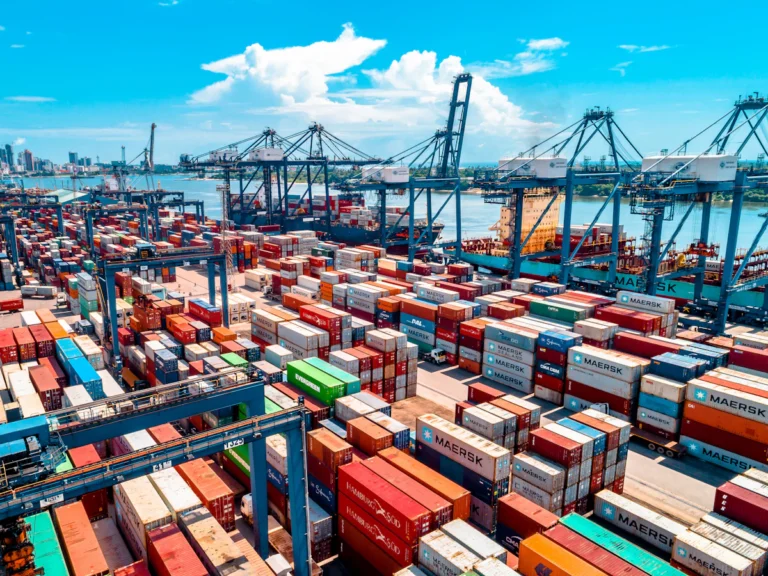
Packaging, loading and container capacity
We pack Cameroon white maize in new 50 kg polypropylene bags. Each bag carries export marks and a lot number, so every bag can be traced back to its lot. Other bag sizes or liner bags for bulk loading are possible by agreement.
Container loads
- 20ft container: about 25 MT, or about 500 bags of 50 kg.
- 40ft container: payload and road limits cap the weight. So a 40ft often carries only a little more than a 20ft. We confirm the load per booking.
- Minimum order: one 20ft container.
Before loading, we check that each container is clean, dry and free of odour and holes. We also line the walls with kraft paper where needed, and we may add moisture absorbers for long voyages. Fumigation is done where your country requires it, by a licensed operator.
Storage after arrival
Good storage keeps the grain sound after it lands. First, unload the bags onto pallets, not onto a bare floor. Then keep the store dry, cool and well aired. Also check the grain every few weeks for heat, insects and smell. Stored this way, Cameroon white maize at 14% moisture or less keeps well for months.
We load at Douala or Kribi. Douala is Cameroon’s main port, while Kribi is a deep-water port further south. Both handle container cargo to Europe, Asia, the Middle East and other parts of Africa.
Export documents and compliance for Cameroon white maize
Every shipment travels with a full set of export documents. Our export process page shows when each one is issued.
- Commercial invoice and packing list.
- Bill of lading.
- Phytosanitary certificate, issued by the MINADER plant protection service.
- Certificate of origin.
- Weight and quality certificate from the agreed inspection company.
- Fumigation certificate, where required.
- Lab reports, such as aflatoxin or pesticide residue, where agreed.
Rules differ by destination. For example, EU buyers must meet EU limits for mycotoxins and pesticide residues (MRLs). Other markets have their own import permits and grain standards. So tell us your country early, because we can then plan the tests and documents you need.
Some buyers also ask for a non-GMO statement or a pesticide residue screen. Where we can document it, we include it. However, we never issue a claim about Cameroon white maize that a lab report or official document cannot support.
Maize falls under HS heading 1005 in the WCO Harmonized System. Grain for sowing is 1005.10, while other maize, like ours, is 1005.90. Like many countries, Cameroon can also adjust export rules for staple foods. Therefore we confirm current rules with each offer.
How pricing works for Cameroon white maize
We do not publish fixed prices, because grain markets move every week. Instead, each offer reflects the lot, the date and your terms. These are the main drivers.
- Season and supply: prices are often lower after harvest and firmer before the next crop.
- Regional demand: buyers in Cameroon and nearby countries compete for the same grain.
- World maize markets: global prices set the tone, although local white maize can trade at a premium.
- Specification: tighter limits for colour or aflatoxin need more sorting and testing.
- Incoterm: FOB covers the goods loaded at port, while CFR and CIF add sea freight, and CIF also adds insurance.
- Freight and inspection: container rates and any third-party inspection go into CFR or CIF offers.
The CFA franc is pegged to the euro. So euro-based buyers face less currency swing than many other origins. For a clear guide to terms, read FOB vs CIF. In short, a precise inquiry gets a precise offer.
Offers for Cameroon white maize usually hold for a short time, because local grain prices can move fast. So once the offer suits you, a quick reply helps us hold the lot for you.
How to order from BV Holdings Agro
Ordering follows four clear steps. Moreover, each step has a named contact, so you always know who to ask.
- Inquiry: you send the grade, volume, destination port, Incoterm and shipment window.
- Offer and sample: we send a written offer and, where possible, a sample from the lot.
- Agreement: we both sign a contract that covers the spec, price, Incoterm, payment terms, inspection and timing.
- Shipment: we prepare, inspect and load the lot, then release documents per the payment terms.
A good inquiry for Cameroon white maize answers five points: grade, tonnage, destination port, Incoterm and timing. With those facts, we can check stock and send an offer quickly.
Payment security is agreed in the contract. For example, buyers may use a letter of credit or documentary collection. Our guide on how to import from Cameroon also covers this step.
Why buy from BV Holdings Agro
- Part of BV Holdings PLC, so you deal with a group team based in Yaoundé.
- Colour purity limits written into every contract, because millers need bright flour.
- Moisture, foreign matter and aflatoxin checks on every lot of Cameroon white maize before loading.
- Written offers with a clear specification, so you know what you are buying before you sign.
- Independent inspection by your chosen company, if you ask for it.
- One offer can combine white maize with sorghum, millet or other cereals.
FAQ: Cameroon white maize
What colour purity can Cameroon white maize reach?
We agree a limit for yellow or coloured grains in each contract. A typical limit for food and milling grade is 2% max. If you need a tighter limit, tell us in your inquiry. Then we can select and sort lots to match, and the inspector can verify colour purity before loading.
Is Cameroon white maize suitable for human food?
Yes, food and milling grade lots suit flour, meal and grits. Food lots, however, need tight limits for aflatoxin, foreign matter and damaged grain. So we agree those limits in the contract. An independent lab then tests aflatoxin, and an inspector can check the other limits before the container is sealed.
When is new-crop white maize available?
In the south and western highlands, the harvests come at about July to August and November to December. In the North, the main harvest runs from about September to November. Grain needs time to dry and pool after harvest. So we confirm stock and the shipment window in each offer.
How much white maize fits in a 20ft container?
A 20ft container usually takes about 25 MT, or about 500 bags of 50 kg. A 40ft container is limited by payload and road weight rules. As a result, it often carries only a little more. We confirm the exact load for each booking, because shipping lines and routes differ.
Which ports and Incoterms do you offer?
We load at Douala or Kribi. We quote FOB at the Cameroon port, or CFR and CIF to your destination port. With CIF, we also arrange minimum cargo insurance. Tell us your port and preferred term, so the offer includes the right freight and insurance costs from the start.
Do you test Cameroon white maize for aflatoxin?
Yes. Aflatoxin testing is a standard part of our checks for maize. An independent lab tests samples against the limit for your destination, or against your own limit. In addition, fumonisin and pesticide residue tests are possible on request. We share the lab reports before shipment.
Can I order white and yellow maize together?
Yes, you can. Many buyers mix products across containers, for example white maize for food and yellow maize for feed. Each container then carries one product with its own lot number and documents. So the inspector can check each lot against its own specification before loading.
What documents come with each shipment?
Each shipment includes a commercial invoice, packing list, bill of lading, phytosanitary certificate and certificate of origin. You also receive a weight and quality certificate from the agreed inspection company. A fumigation certificate and lab reports follow where required or agreed in the contract.
Related commodities
Export markets we quote

One arm of BV Holdings PLC
BV Holdings Agro is the agricultural export company of BV Holdings PLC, alongside BV Cocoa Products and BV Metal & Minerals.
Request a Cameroon white maize quote
Ready to buy? Send us your grade, volume, port and shipment window, so we can prepare an offer and sample. Request a quote for Cameroon white maize today. You can also browse all cereals and pulses .