Cameroon Cocoa Cake exported to your specification
We supply Cameroon cocoa cake, the solid left after pressing cocoa liquor, to powder mills and food plants. BV Cocoa Products, our cocoa processing arm, produces and supplies it.
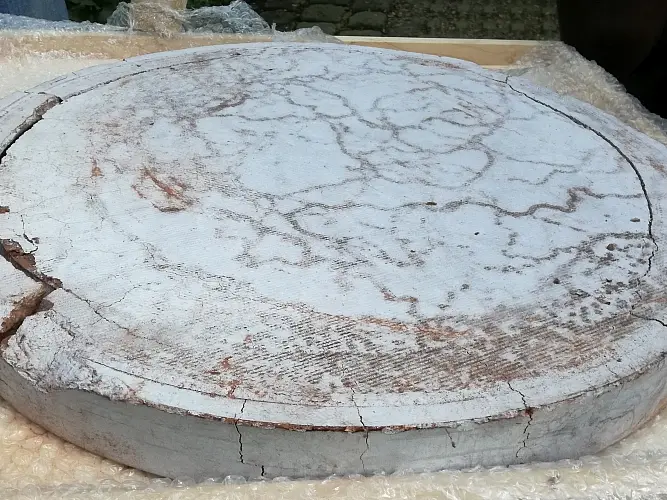
BV Holdings Agro supplies Cameroon cocoa cake to powder mills, alkalising plants and food makers in container loads. BV Cocoa Products, the cocoa processing division of BV Holdings Agro, produces and supplies this cake. We handle the export sale, documents and shipping from Douala or Kribi.
Cocoa cake, also called press cake, is the solid left after most of the butter is pressed out of cocoa liquor. It holds the cocoa solids that give powder its colour and taste. Most buyers grind it into cocoa powder close to their own market. As a result, they can mill, alkalise, sift and pack to local demand.
This page covers where the beans come from, how the cake is made, typical specs, forms, quality checks, packaging, documents, pricing and the order steps. You can see its details on the BV Cocoa Products cocoa cake page.
Where Cameroon cocoa cake comes from
The cake starts with beans from the humid forest belt of southern Cameroon. The main producing regions are the Centre, South, South-West, East and Littoral. Most farms are small family plots, where cocoa grows under shade trees alongside food crops. Farmers ferment the wet beans for several days and then sun-dry them.
Cameroon beans are known for a warm, red-brown colour once processed. For this reason, Cameroon cocoa cake gives a strong, rich tone when milled into powder. Producer groups and aggregators collect the dried beans and bring them for checking and processing. The main crop runs from about September to February, while the mid-crop runs from about May to August.
Grinding runs for much of the year, so cake supply is fairly steady. Still, volumes can rise after the main crop, when more beans reach the plants. Our Cameroon harvest calendar shows the timing in more detail.
How the cake is made
First, the beans are cleaned to remove stones, dust and flat beans. Next, they are roasted and cracked, and a winnower blows the shell away from the nibs. The nibs are then ground into a warm, liquid paste called cocoa liquor.
After that, the hot liquor is pumped into a hydraulic press. The press squeezes the paste at very high pressure, and the fat flows out as cocoa butter. A hard, brown disc of cake stays behind in the press pot. The press time and pressure set the final fat level. A longer press gives standard cake with about 10 to 12% fat, while a shorter press leaves more fat in the cake.
Finally, the discs are cooled and either packed whole or broken into kibbled pieces. Kibbling makes the cake easier to bag, ship and feed into a mill.
Typical specification of Cameroon cocoa cake
The table shows the typical specification of Cameroon cocoa cake for export. Values follow normal industry ranges for natural press cake.
| Parameter | Typical value |
|---|---|
| HS code | 1803.20 (cocoa paste, wholly or partly defatted) |
| Fat content | 10–12% (20–22% on request) |
| Moisture | ≤ 5% |
| pH | 5.0–5.8 (natural) |
| Shell content | ≤ 5% (fat-free dry basis) |
| Form | Whole discs or kibbled |
| Colour | Brown |
| Total plate count | ≤ 5,000 cfu/g |
| Yeasts and moulds | ≤ 50 cfu/g |
| Salmonella | Absent in 25 g |
| Flavour | Typical cocoa, free from smoky or mouldy notes |
Final specifications are confirmed in each contract and verified before loading. In addition, you can read how we check each batch on our quality control page.

Forms and fat levels of Cameroon cocoa cake
We supply Cameroon cocoa cake in two forms and two fat levels. The right mix depends on your mill, your powder range and your freight plan.
- Whole discs: cake as it leaves the press. Some mills prefer discs, because they can control breaking and grinding themselves.
- Kibbled: broken pieces that pack denser, flow better and feed straight into a mill.
- Standard fat (10–12%): the base for most bakery, drink and mix powders.
- Higher fat (20–22%, on request): the base for richer powders used in premium drinks and desserts.
So how do you choose? First, look at your powder range. If you mostly sell standard powder, the 10 to 12% cake is the natural fit. If you sell premium drink or dessert powders, however, the higher-fat cake gives a richer taste and smoother feel. Next, check your mill. Kibbled cake suits most modern lines, while whole discs suit plants with their own breakers.
Natural cake for alkalising
Our standard cake is natural, with a pH of about 5.0 to 5.8. Many buyers alkalise it themselves to make Dutch-process powder. This lets them set the colour and pH for each product, from light reddish to very dark brown. In short, natural Cameroon cocoa cake gives alkalising plants a flexible starting point.
Quality control of Cameroon cocoa cake before loading
Cake becomes a food powder, so checks cover both quality and food safety. They run from bean intake to the packed bag.
- Bean intake: beans are checked for moisture, mould and smoky taint before processing.
- Roasting: roasting builds flavour and also cuts the microbial load on the beans.
- Pressing: press time and pressure follow set routines to hit the fat target.
- Batch testing: each batch is sampled and tested against the contract spec.
- Packing and loading: cake goes into new bags marked with the batch number, then loads at Douala or Kribi after inspection where agreed.
What the tests tell you
Fat content is the main test, because it sets the fat level of your final powder. Moisture must stay low, since damp cake can lump and grow mould. The pH confirms that the cake is natural, which matters for alkalising plants. Shell content is checked too, because shell gives a gritty, woody taste and lowers powder quality.
Micro tests cover total plate count, yeasts and moulds, and Salmonella. Taste, smell and colour checks then catch smoky or mouldy notes. In addition, lab reports for cadmium, pesticide residues or other contaminants can be added where agreed. Buyers may nominate an inspection firm such as SGS, Bureau Veritas, Intertek or Cotecna.
Common faults and how they are avoided
Most faults in cake trace back to the beans or to storage. Smoky beans pass a taint into the cake that milling cannot remove. Damp storage can cause lumps and mould, while heat can make the fat bloom on the surface. For this reason, beans are screened at intake, and cake is cooled before packing. This helps each batch of Cameroon cocoa cake reach your mill in sound condition.
Uses of Cameroon cocoa cake
Cameroon cocoa cake is a semi-finished product. Buyers turn it into powder or use it directly in food plants. Here are the main buyer groups.
- Powder mills: grind and sift the cake into natural cocoa powder.
- Alkalising plants: treat the cake with food-grade alkali to make Dutch-process powder.
- Food makers: use ground cake for colour and flavour in mixes, coatings and fillings.
- Traders: buy container lots for resale to mills in other markets.
Why mills buy cake instead of powder
Many mills prefer to buy cake and grind it near their own market. First, they can tailor the powder to local tastes, colours and pack sizes. Second, fresh milling gives them more control over fineness and micro quality. In addition, some markets apply different import duties to cake and powder, so buyers should check their local tariff. For these reasons, Cameroon cocoa cake suits mills that want control over the final product.
Colour and flavour notes
Well-fermented beans give Cameroon cocoa cake a warm, red-brown colour and a full cocoa taste once milled. Alkalising then deepens that colour, from reddish brown to almost black, depending on the process. Because colour depends on both the cake and the alkali step, we suggest a test batch on the sample. Then you can confirm the result in your own plant before you sign.
Prefer ready-made powder? See our cocoa powder, made from the same origin. You can also add cocoa butter to the same contract, or browse all cocoa products.

Packaging and container capacity for Cameroon cocoa cake
We pack Cameroon cocoa cake in 25 kg multi-wall paper bags or lined PP bags. Jumbo bags are also available per contract. The liner keeps out moisture and outside smells.
- 20ft container: about 18 to 20 tonnes of kibbled cake in bags, as an approximate industry norm.
- 40ft container: up to about 25 tonnes, subject to road and port weight limits.
- Whole discs: pack less densely than kibbled cake, so payload can be lower.
- Moisture control: kraft paper lining and desiccant where agreed, to limit condensation.
Because payload depends on form and pack, we confirm the expected tonnes per container in each offer. Each container then loads at Douala or Kribi port.
Storage at your end
Store Cameroon cocoa cake cool, dry and away from strong smells. Keep bags on pallets and out of direct sun. Under good conditions, cake keeps well for a long time, often up to two years. However, check the shelf life stated in each contract and on the batch papers.
Handling notes
Kibbled cake and ground cake create fine dust when tipped or milled. So use dust extraction at intake points and keep sparks and open flames away, as fine food dusts can burn. Also, reseal opened bags quickly, because cake picks up moisture and smells from the air. These simple steps keep the cake in good condition until it reaches the mill.
Export documents and EUDR rules for Cameroon cocoa cake
Each shipment travels with a full document set for customs clearance, payment and quality claims.
- Commercial invoice and packing list
- Bill of lading
- Phytosanitary certificate or health papers, as the destination requires
- Certificate of origin
- Certificate of analysis for each batch
- Weight and quality certificate from the agreed inspection company
- Lab reports, such as cadmium or pesticide residue, where agreed
EU Deforestation Regulation (EUDR)
EU buyers must also meet the EU Deforestation Regulation, Regulation (EU) 2023/1115. Cocoa cake falls under HS heading 1803, which is one of the covered products. Under the rules, the EU operator must show that the cocoa was not grown on land deforested after 31 December 2020. It must also show that the cocoa was produced legally in the country of origin.
In practice, this means geolocation data for the plots where the beans were grown. Traceability must then follow the beans through roasting, grinding and pressing. The EU importer files a due diligence statement before the goods enter the market. Because the EU has revised the timeline, buyers should check the current application dates. We discuss the traceability data we can share for each lot during the offer stage.
Food law adds other checks. For example, EU rules set maximum levels of cadmium in cocoa powder, which affects the cake that mills will grind. So tell us your market early, and we can plan the right tests and papers for Cameroon cocoa cake.
How pricing works for Cameroon cocoa cake
We do not publish prices, because cocoa markets move every day. Instead, each offer reflects the market on the day we quote. Several factors shape the price of Cameroon cocoa cake.
- Bean prices: world cocoa prices follow the London and New York futures exchanges.
- Powder demand: cake and butter come from the same press, so their values often move in opposite directions.
- Fat level and form: higher-fat cake and special packs can change the offer.
- Incoterm: FOB Douala or Kribi, CFR or CIF to your port.
- Volume and timing: contract size, shipment window and payment terms.
When chocolate demand is strong, presses run hard for butter, and more cake reaches the market. When butter demand is weak, cake can tighten. For this reason, offers for Cameroon cocoa cake carry a short validity. You can compare delivery terms in our FOB vs CIF guide.
How to order from BV Holdings Agro
Buying from us follows six clear steps. You can see each one in detail on our export process page.
- 1. Inquiry: you send fat level, form, volume, destination port, Incoterm and shipment window.
- 2. Offer and sample: we send a written offer and a sample for your lab.
- 3. Contract: we both sign a contract with spec, price, Incoterm, payment terms, inspection method and shipment window.
- 4. Payment security: you arrange a letter of credit, documentary collection or other agreed terms.
- 5. Preparation and inspection: we prepare, test and inspect the batch.
- 6. Shipment and documents: we ship, and documents are released per the payment terms.
Why buy from BV Holdings Agro
- Cameroon cocoa cake from the group’s own cocoa processing division
- Standard and higher-fat options, whole or kibbled
- Batch checks on fat, moisture, pH and micro counts
- Full export papers and a clear written contract
- Matching butter, liquor and powder from the same origin
Cameroon cocoa cake FAQ
What is Cameroon cocoa cake used for?
Mills grind it into cocoa powder for bakery, drinks, dairy and confectionery. Many plants alkalise the cake first to make darker, milder Dutch-process powder. Some food makers also use ground cake directly in mixes and coatings. Traders buy container lots for resale to mills in other markets.
Can you supply higher-fat cake?
Yes. Our standard cake has 10 to 12% fat, which suits most powder ranges. Cake with 20 to 22% fat is also available on request. Higher-fat cake gives a richer powder for premium drinks and desserts. Fat content is tested on every batch and shown on the certificate of analysis.
Who produces your cocoa cake?
BV Cocoa Products, the cocoa processing division of BV Holdings Agro, produces and supplies the cake. It is pressed from cocoa liquor made with beans from Cameroon’s main cocoa regions. BV Holdings Agro handles the export sale, the contract, the documents and the shipping from Douala or Kribi.
What is the minimum order for Cameroon cocoa cake?
The minimum order is one 20ft container, which holds about 18 to 20 tonnes of kibbled cake in bags. Larger contracts can run over several 40ft containers. You can also combine cake with butter, liquor or powder from the same origin, subject to agreement in the contract.
Is your cake natural or alkalised?
Our standard cake is natural, with a pH of about 5.0 to 5.8. Many buyers prefer natural cake, because they can alkalise it themselves to their own colour and pH targets. If you need ready-made alkalised powder instead, see our cocoa powder range, which includes alkalised grades.
Is cocoa cake covered by the EUDR?
Yes. Cocoa cake falls under HS heading 1803, which the EU Deforestation Regulation lists. EU importers need plot geolocation and proof of legal, deforestation-free production for the beans used. They then file a due diligence statement. We discuss the traceability data we can share for each lot during the offer stage.
How is the cake packed?
We pack cake in 25 kg multi-wall paper bags or lined PP bags. Jumbo bags are also available per contract. Each bag carries the batch number, so it links to the certificate of analysis. Containers are lined with kraft paper to limit condensation during the sea voyage.
Which Incoterms do you offer?
We quote FOB Douala or Kribi, CFR to your destination port, or CIF to your destination port. Under CIF, we arrange freight and minimum cargo insurance. Under FOB, you book the vessel and insure the cargo yourself. Each contract states the Incoterm, the port and the shipment window clearly.
Related commodities
Export markets we quote

Processed by BV Cocoa Products
BV Cocoa Products is the cocoa processing division of BV Holdings Agro. See its technical data and product range on the division site.
Request a Cameroon cocoa cake quote
Need Cameroon cocoa cake for your mill? Request a quote with your fat level, form, volume and port, and we will reply with an offer. You can also add cocoa shells to the same inquiry.