Cameroon Garlic exported to your specification
BV Holdings Agro supplies Cameroon garlic as fresh cured bulbs or dried flakes and granules, with single-origin powder on request. Supply is seasonal, so we confirm stock, form and timing in each offer.
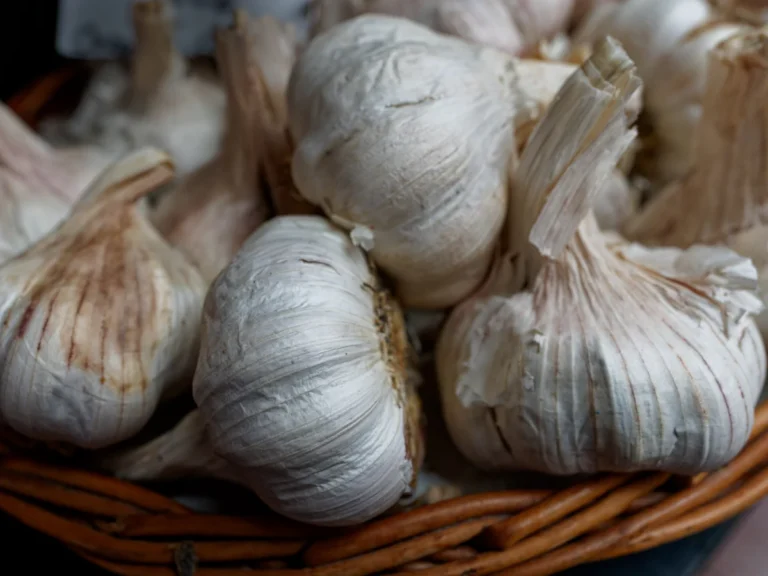
BV Holdings Agro sources Cameroon garlic for food makers, spice packers and fresh produce importers. We offer fresh, cured bulbs and dried garlic, such as flakes and granules. Powder is also possible on request. Every load leaves from Douala or Kribi, and we quote per 20ft or 40ft container.
Supply is seasonal, and volumes vary from year to year. For this reason, we confirm stock, form and timing in every offer. We never promise a volume we cannot see in the field or in store. Instead, we tell you what is ready, what is coming and when it can load.
This page explains where Cameroon garlic is grown, what a typical lot looks like and how we check it. It also covers packing, export documents, pricing and how to order. For other single-origin spices, browse our full spices range.
Where Cameroon garlic is grown
Garlic needs a cool spell to form good bulbs, so it does best at altitude or in a dry season. In Cameroon, two zones meet that need. First, the West highlands offer cool nights, rich volcanic soils and a long tradition of market gardening. Second, the North and Far North regions grow garlic in the dry season, often beside onions on irrigated plots.
Most growers are smallholders. They plant cloves by hand, weed by hand and lift the bulbs when the leaves turn yellow and fall over. As a result, lots are small at farm level. We buy from producer groups and aggregators in each zone, then consolidate the bulbs for export.
Timing differs by zone. In the north, planting follows the end of the rains, and harvest comes a few months later in the dry season. In the highlands, timing follows local rains and altitude. Our Cameroon harvest calendar shows the broad pattern for each crop.
After harvest, curing matters most. Growers spread or hang the bulbs in shade with good airflow for two to three weeks. Then the necks dry and the outer skins tighten. Well-cured Cameroon garlic stores and travels far better than green, uncured bulbs. The FAO also stresses dry, well-aired storage for bulb crops after harvest.
Typical specification of Cameroon garlic
The table below shows typical values for fresh and dried lots. Your contract can tighten any line to match your market.
| Parameter | Fresh Cameroon garlic | Dried garlic |
|---|---|---|
| HS code | 0703.20 | 0712.90 |
| Form | Whole cured bulbs | Flakes, granules or powder |
| Size / mesh | 4–6 cm bulb diameter, sorted | As agreed (e.g. 80–100 mesh powder) |
| Appearance | Firm, dry outer skin, clean | Off-white to cream |
| Defects | No sprouting or mould; 5% max damage | No visible mould or insects |
| Moisture | Cured, dry necks | 6% max |
| Extraneous matter | 0.5% max | 0.5% max |
| Micro / residue tests | To destination limits, on request | To destination limits, on request |
Final specifications are confirmed in each contract and verified before loading. In addition, we can add lab tests for pesticide residues or microbiology through an independent lab. The values above follow normal trade practice for bulb and dried garlic.

Fresh or dried garlic: how to choose
We offer two main groups, and each one moves under its own HS code. The right choice depends on your route, your customers and your storage.
- Fresh bulbs (HS 0703.20): whole, cured bulbs for wholesale markets, food service and retail packers. They need cool, dry, ventilated transport.
- Dried flakes (HS 0712.90): sliced and dried cloves for food plants that rehydrate or mill them.
- Dried granules: a coarse grind for seasoning mixes, rubs and snack coatings.
- Powder, on request: single-origin garlic powder only. We do not sell mixed spice blends.
So, which suits you? If you sell to fresh produce markets, choose bulbs and plan a reefer route. However, if you are far from Cameroon or need long shelf life, dried garlic is easier. It is lighter, keeps longer and ships in a normal dry container.
Size grading also matters for fresh lots. Many buyers ask for bulbs above a set diameter, sorted into narrow bands. Meanwhile, others accept mixed sizes at a lower price. Tell us your size bands at inquiry, and we will sort Cameroon garlic to match.
For dried garlic, cut size plays the same role. Flakes suit buyers who mill at destination or want a visible piece in the product. Granules flow well in dosing lines, while fine powder blends evenly into sauces and rubs. If you are unsure, ask for two sample cuts and compare them in your own plant.
Quality control for Cameroon garlic before loading
We follow five checkpoints for every lot. First, we buy in the region and inspect bulbs at the point of purchase. Second, we dry and store them off the ground in covered, airy warehouses. Third, we sample and test against your contract. Fourth, we clean, sort and pack in new export bags with a lot number. Finally, inspection and loading take place at Douala or Kribi.
For fresh Cameroon garlic, the main checks are simple but strict:
- Firmness: soft or hollow bulbs are removed.
- Sprouting: green shoots show age or warm storage, so they fail.
- Mould and rot: we cut sample bulbs to check the cloves inside.
- Skin and neck: loose skins and wet necks point to poor curing.
- Size: we measure a sample against your agreed bands.
Dried garlic needs a different set of tests. We check moisture, colour, foreign matter and particle size. Also, we can send samples to an independent lab for residues, total plate count, yeast and mould, E. coli and Salmonella. Results are shared before loading, so you can decide with real data.
Common garlic defects explained
Knowing the defects helps you write a clear contract. Here are the ones we screen for most often in Cameroon garlic:
- Sprouted cloves: a sign of age or warm, humid storage. They lose firmness and flavour fast.
- Black mould: dark powder under the skins, often linked to poor curing.
- Bruising and cuts: damage from rough lifting or handling, which lets rot start.
- Open or split bulbs: cloves that have pulled apart, which lowers the grade.
- Dirt and loose skins: foreign matter that adds weight but no value.
Buyers may also nominate an inspection company, such as SGS, Bureau Veritas, Intertek or Cotecna. Our quality control page sets out every step in more detail.
Uses and industries for Cameroon garlic
Garlic is one of the most widely used flavours in the world. As a result, Cameroon garlic suits a broad mix of buyers:
- Fresh produce importers and wholesalers: bulbs for markets, grocers and food service.
- Food manufacturers: sauces, soups, ready meals, pickles and meat products.
- Seasoning and spice packers: dried flakes and granules for their own branded lines.
- Snack makers: granules and powder for coatings and dusting.
- Traders: container loads for onward sale in regional markets.
Many buyers also combine garlic with other Cameroon spices in one supply plan. For example, a sauce maker may buy garlic, dried ginger and dried chili pepper from one source. That keeps paperwork and quality checks in one place.
Some buyers also use Cameroon garlic to add a second origin to their supply base. A second origin spreads risk when a large producing country has a short crop. In addition, it gives your sourcing team a fresh option for new product lines.

Packaging, loading and container capacity
Packing depends on the form. Fresh bulbs need airflow, while dried garlic needs protection from moisture.
- Fresh bulbs: 10 kg mesh bags or ventilated cartons. They ship in reefer containers set near 0 °C with fresh-air vents open.
- Dried flakes and granules: 20–25 kg cartons or bags with food-grade liners.
- Powder: lined cartons or bags, sealed to keep out humidity.
As a guide, a 40ft reefer often holds about 26–28 tonnes of fresh bulbs in mesh bags. A 20ft dry container usually takes about 12–14 tonnes of dried garlic in cartons. However, net weight depends on form and pack, so we state it in each offer.
We load at Douala or Kribi. Fresh Cameroon garlic is loaded quickly after packing, because time in heat shortens shelf life. Dried lots are fumigated where the destination requires it.
Every bag or carton carries export marks and a lot number. On request, we can also add your own labels, such as product name, net weight and importer details. Send label artwork early, because printing adds time before loading.
Storage and shelf life of Cameroon garlic
Good storage protects the value of your lot after it lands. Fresh bulbs keep best in cool, dry and well-aired rooms. Cold stores often hold them near 0 °C with moderate humidity. By contrast, warm and humid rooms trigger sprouting and mould within weeks.
Well-cured Cameroon garlic can hold its quality for several months under the right conditions. However, shelf life depends on curing, handling and the cold chain on the way. So we load fresh bulbs soon after packing and ask you to move them into cold store on arrival.
Dried garlic is much easier to keep. Store sealed cartons or lined bags in a dry, cool place, away from strong odours. Once a pack is open, reseal it well, because dried garlic takes up moisture from the air. Under these conditions, dried flakes and granules keep their colour and aroma for a long time.
Export documents for Cameroon garlic
Every shipment travels with a full document set. In short, you receive what customs and your bank need to clear the goods:
- Commercial invoice and packing list
- Bill of lading
- Phytosanitary certificate from MINADER plant protection
- Certificate of origin
- Weight and quality certificate from the agreed inspection company
- Fumigation certificate, where required
- Lab reports for residues or microbiology, where agreed
Rules differ by market, so check them before you order. For instance, the EU sets maximum residue levels (MRLs) for pesticides on garlic. Some destinations, including the EU, also manage fresh garlic imports through tariff quotas or import licences. Your customs broker can confirm the current rules for your country.
Cameroon also has an Economic Partnership Agreement with the EU. If you plan to claim a tariff preference, tell us at inquiry. Then we can prepare the right proof of origin with the other papers. HS headings follow the WCO Harmonized System, although national tariff lines add extra digits.
How Cameroon garlic pricing works
We do not publish fixed prices, because the market moves. Instead, each offer reflects the conditions on the day. The main drivers are:
- Harvest size: a small local crop tightens supply for export.
- World market: large origins set the tone for global garlic prices.
- Form and grade: bulb size bands, flakes, granules or powder.
- Packing: mesh bags, cartons, liners or private labels.
- Incoterm: FOB, CFR or CIF, plus freight and reefer costs.
- Volume and timing: full loads and early planning help.
FOB covers goods loaded on board at Douala or Kribi. CFR adds sea freight to your port, while CIF also adds minimum cargo insurance. Our guide to FOB vs CIF explains which suits you.
To get a sharp offer, share as much detail as you can. Useful facts include your size bands, packing, labels, test list and target shipment month. With clear inputs, we can price Cameroon garlic on a like-for-like basis, so you can compare offers fairly.
How to order from BV Holdings Agro
The process is short and clear. It runs in four main stages:
- 1. Inquiry: you send the form, size or mesh, volume, destination port and Incoterm.
- 2. Offer and sample: we confirm stock and send an offer, plus a sample where possible.
- 3. Agreement: we both sign a contract with spec, price, Incoterm, payment terms, inspection and shipment window.
- 4. Shipment: we prepare, inspect and load, then release documents per the agreed payment terms.
Payment terms, such as a letter of credit or documentary collection, are agreed per contract. Our export process page shows each step in full. We keep you updated at each stage, from sampling to loading. If you are new to the origin, read how to import from Cameroon first.
Why buy from BV Holdings Agro
- Direct sourcing in Cameroon, so one team in Yaoundé manages your order.
- Honest stock reports for Cameroon garlic, with form and timing stated in each offer.
- Pre-loading quality checks, plus independent inspection at your request.
- Fresh and dried options, and mixed spice loads on request.
- Part of BV Holdings PLC, which also runs BV Cocoa Products and BV Metal & Minerals.
Cameroon garlic FAQ
Do you ship fresh or dried Cameroon garlic?
We ship both. Fresh bulbs travel in reefer containers set near 0 °C with vents open. Dried flakes, granules and powder travel in normal dry containers with lined packs. Tell us your market and route at inquiry. Then we can advise which form arrives in the best condition and suits your storage. For long voyages, dried Cameroon garlic is usually the safer choice.
Is garlic available all year?
Fresh garlic follows the harvest, so supply peaks after the main lifting season and then tapers off. Dried garlic depends on stock held after processing. For this reason, we confirm both form and timing in each offer. We also tell you early if a lot sells out, so you can plan another window. Repeat buyers can also book volume ahead of the season.
What size bulbs can you supply?
Typical fresh bulbs measure about 4–6 cm across. We sort them into the size bands you set in the contract. If you need a narrow band, the price and volume may change, because fewer bulbs qualify. We measure a sample before loading and record the results. Moreover, the inspection report states the size spread, so you know exactly what you receive.
Which tests can you arrange for Cameroon garlic?
We check firmness, sprouting, mould, size and foreign matter on every lot. For dried garlic, we also test moisture and particle size. In addition, an independent lab can test pesticide residues and microbiology, such as Salmonella and E. coli. We agree the test list in the contract before loading. Lab costs depend on the tests chosen, and we state them in the offer.
Do you sell garlic powder or seasoning blends?
We can offer single-origin garlic powder on request, subject to stock. However, we do not sell mixed seasoning blends. Our role is to supply clean, single-origin raw material. You or your packer then blend it to your own recipe and brand, which keeps the supply chain simple. It also keeps origin and lot tracing clear on each pack.
What documents come with each load?
Each load ships with a commercial invoice, packing list, bill of lading, phytosanitary certificate and certificate of origin. We also supply a weight and quality certificate from the agreed inspection company. Fumigation certificates and lab reports are added where required or agreed in the contract. Documents are released per the agreed payment terms, and we send copies ahead for checking.
Can you mix Cameroon garlic with other spices in one container?
Yes, for dried products. We can combine dried garlic with ginger, turmeric or chili in one dry container. Each product keeps its own lot number and paperwork. However, fresh bulbs need a reefer, so they cannot share space with dry spices. We plan the load mix with you at offer stage. A mixed load of dried Cameroon garlic and other spices helps smaller buyers test the origin.
What is the minimum order?
Our minimum order is one 20ft container for dried garlic. Fresh bulbs usually ship in a 40ft reefer, because cold-chain freight works out better at full size. We can also plan repeat loads across the season. We confirm container type and net weight in each offer. If you want to test the origin first, a mixed dried spice load is a good start.
Related commodities

One arm of BV Holdings PLC
BV Holdings Agro is the agricultural export company of BV Holdings PLC, alongside BV Cocoa Products and BV Metal & Minerals.
Request a Cameroon garlic quote
Ready to source? Then request a quote for Cameroon garlic with your form, size, volume and destination port. You may also like our dried turmeric for a mixed spice program.