Cameroon cocoa products from bean to butter
BV Holdings Agro exports Cameroon cocoa products, from raw beans and shells to butter, powder, liquor and cake. Our cocoa division, BV Cocoa Products, covers processed lines, and every lot is tested before loading at Douala or Kribi.
Browse Cameroon cocoa products
Open any product for its typical specification, packing, documents and FAQ.
Cocoa Beans
Cameroon cocoa beans in full container loads for grinders, chocolate makers and traders.
View specification1802HS 1802.00Cocoa Shells
We export Cameroon cocoa shells, the outer husk of the bean, in full container loads.
View specification1804HS 1804.00Cocoa Butter
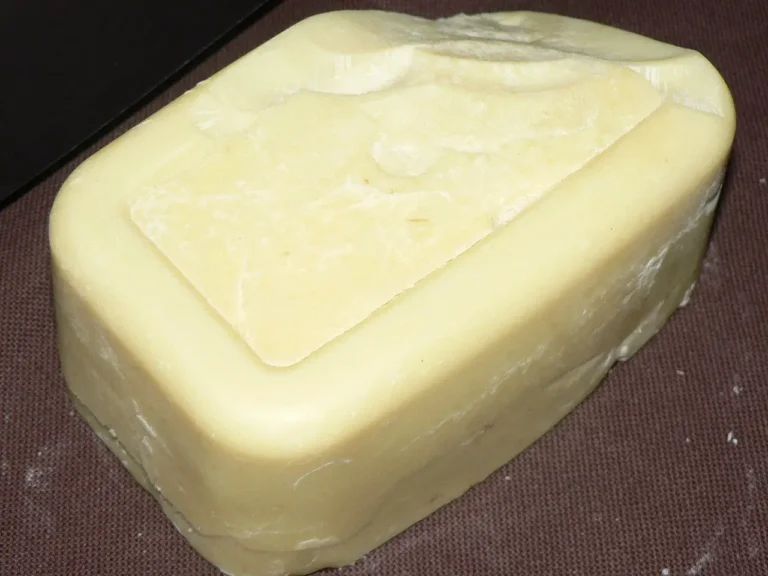
We supply Cameroon cocoa butter for chocolate, confectionery, cosmetic and pharma makers.
View specification1805HS 1805.00Cocoa Powder
We supply natural and alkalised Cameroon cocoa powder for bakery, beverage, dairy and confectionery makers.
View specification1803HS 1803.10Cocoa Liquor
We supply Cameroon cocoa liquor, also called cocoa mass or cocoa paste, for chocolate and confectionery makers.
View specification1803HS 1803.20Cocoa Cake
We supply Cameroon cocoa cake, the solid left after pressing cocoa liquor, to powder mills and food plants.
View specification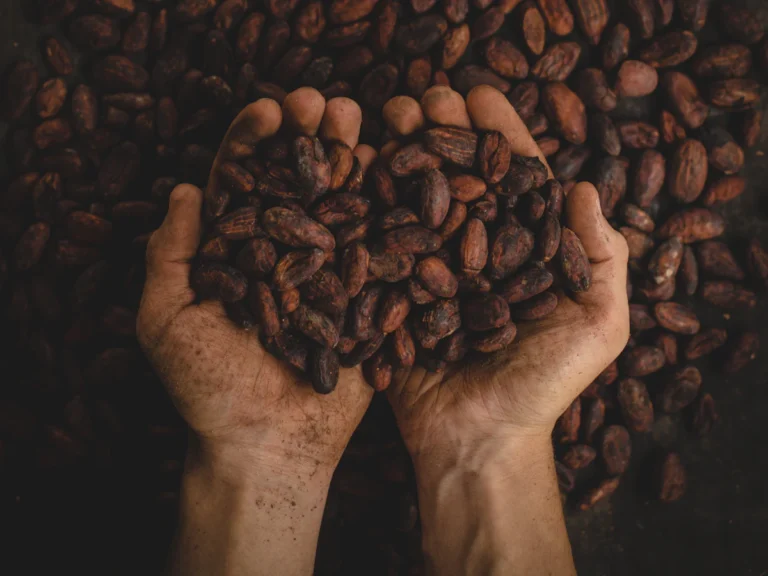
BV Holdings Agro exports Cameroon cocoa products to importers, grinders, chocolate makers and commodity trading houses. Our range runs from raw cocoa beans to shells, butter, powder, liquor and cake. Every lot is checked against your contract and loaded at Douala or Kribi on FOB, CFR or CIF terms.
Cocoa is Cameroon’s best-known farm export. Smallholders grow it across the forest belt of the Centre, South, South-West, East and Littoral regions. We buy the raw material for our Cameroon cocoa products from producer groups and aggregators in those regions. We then consolidate, test and pack each lot for export. As a result, you deal with one trading house from inquiry to bill of lading.
This hub explains the full range. First, it shows which product suits which buyer. Then it covers specifications, quality checks, packing, documents, pricing and ordering. It also explains how our cocoa division, BV Cocoa Products, fits into the picture.
Cameroon cocoa products at a glance
The table below lists every line in our Cameroon cocoa products range. Each name links to its own product page, with a full typical specification and FAQ.
| Product | HS code | Form | Main buyers |
|---|---|---|---|
| Cocoa Beans | 1801.00 | Whole fermented, dried beans | Grinders, chocolate makers, traders |
| Cocoa shells (husk) | 1802.00 | Loose or milled shells | Feed mills, mulch and fuel users |
| Cocoa butter | 1804.00 | Solid blocks | Chocolate, cosmetics, pharma |
| Cocoa powder | 1805.00 | Natural or alkalised powder | Bakeries, beverages, dairy |
| Cocoa liquor | 1803.10 | Solid blocks or kibbled | Chocolate and coatings makers |
| Cocoa cake | 1803.20 | Discs or kibbled | Powder millers, food makers |
In short, beans and shells come straight from the farm chain. Meanwhile, butter, powder, liquor and cake are processed products. For this reason, the sections below treat the two groups a little differently.
BV Cocoa Products: our cocoa division
BV Cocoa Products is the cocoa division of BV Holdings Agro. It focuses on processed cocoa: powder, butter, liquor, nibs and other derivatives. Its own website, bvcocoaproducts.com, carries detailed pages for each of these lines.
So why two websites? The answer is simple. BV Holdings Agro handles the wider export trade in Cameroon farm goods. Meanwhile, BV Cocoa Products gives buyers of Cameroon cocoa products a dedicated home, with deeper technical detail on processed lines. Both sit inside BV Holdings PLC, the parent group at bvholdings-plc.com.
For you, the effect is practical. You can send one inquiry to either site, and the same team handles it. In addition, a mixed order, such as beans plus butter, can be quoted together. Nibs and other derivatives not listed here are available through BV Cocoa Products on request.

Where Cameroon cocoa products come from
All Cameroon cocoa products start with the bean. Cameroon grows mainly Forastero-type cocoa, often in hybrid or Trinitario-like mixes. Trees grow under shade in the humid forest zone. Most farms are small family plots, often a few hectares or less.
Main producing regions
- Centre: a long-standing cocoa heartland around Yaoundé and the Mbam area.
- South-West: a large share of national output, with well-known red, rich-soil zones.
- South: forest farms near the Gabon and Equatorial Guinea borders.
- East: a growing frontier region with newer plantings.
- Littoral: farms close to Douala port, with short trucking distances.
Harvest seasons
Cameroon has two cocoa harvests. The main crop runs from about September to February. Then a smaller mid-crop follows from about May to August. Main-crop beans are usually larger, so many grinders prefer them. However, mid-crop lots can suit buyers who blend or press for butter. In short, harvest timing shapes the supply of all Cameroon cocoa products. Our Cameroon Harvest Calendar shows how cocoa fits with the other crops we ship.
After harvest, farmers ferment the wet beans in heaps or boxes for several days. Then they sun-dry them on mats or raised tables. Good fermentation builds flavour, while careful drying stops mould. As a result, these first steps decide much of the final quality.
Typical specifications for Cameroon cocoa products
Each of our Cameroon cocoa products has its own detailed table on its product page. However, the summary below helps you compare the range quickly.
| Product | Key parameters (typical) |
|---|---|
| Cocoa beans | Moisture ≤ 7.5%; bean count about 95–105 per 100 g; mouldy ≤ 3% (Grade I) |
| Cocoa shells | Moisture ≤ 10%; crude protein 13–18%; foreign matter ≤ 2% |
| Cocoa butter | FFA ≤ 1.75%; slip melting point 31–35 °C; natural or deodorised |
| Cocoa powder | Fat 10–12% (20–22% on request); moisture ≤ 5%; natural or alkalised |
| Cocoa liquor | Fat 50–56%; moisture ≤ 2%; fineness ≥ 99% through 75 µm |
| Cocoa cake | Fat 10–12% (20–22% on request); moisture ≤ 5%; shell ≤ 5% |
Final specifications are confirmed in each contract and verified before loading.
How to choose: quick picks
Not sure where to start? These quick picks match common buyer needs to the right Cameroon cocoa products.
- Grinding plant or bean-to-bar maker: choose Cocoa Beans. Main-crop Grade I suits most grinders.
- Chocolate maker without grinding equipment: choose Cocoa Liquor as your cocoa mass base.
- Fat for chocolate, cosmetics or creams: choose Cocoa Butter, natural or deodorised.
- Bakery, drinks or dairy desserts: choose Cocoa Powder, natural for leavened bakes, alkalised for darker colour.
- Your own powder mill: choose Cocoa Cake, which you can pulverise and alkalise in-house.
- Feed, mulch or biomass fuel: choose Cocoa Shells, also listed in our Animal Feed Ingredients range.
In short, the further you sit from the farm, the more processed the product you need. Still, if you are unsure, tell us your end use. We will then suggest a line and a sample.
Raw beans or processed cocoa?
Buying beans gives you full control over roasting, flavour and fat yield. However, you need grinding and pressing equipment, plus the skills to run it. Processed Cameroon cocoa products skip that step. Instead, they arrive ready for your mixer, moulding line or bakery. As a result, smaller food makers often start with liquor, butter or powder. Meanwhile, large grinders mostly buy beans. Some groups buy both, for example beans for one plant and butter for a cosmetics line. Either way, we quote the two groups together on request, which keeps your paperwork simple.
Quality control for Cameroon cocoa products
Quality for Cameroon cocoa products starts in the buying region and ends at the port. Our five checkpoints follow the same path for every lot. You can read the full method on our quality control page.
- Buy in region: we buy from known producer groups and aggregators.
- Dry and store: lots rest off the ground in covered warehouses at target moisture.
- Sample and test: we test each lot against the contract specification.
- Clean, sort and pack: lots go into new export-marked bags with a lot number.
- Inspect and load: independent inspection and fumigation where required, then loading at Douala or Kribi.
What we test
For beans, the key check is the cut test. An inspector cuts open a set number of beans and counts mouldy, slaty, insect-damaged and germinated ones. We also measure moisture, bean count and foreign matter. For processed lines, we check fat, moisture, pH, fineness and microbiology against the agreed limits.
In addition, cocoa export lots are subject to quality control by Cameroon’s National Cocoa and Coffee Board (ONCC). Buyers may also nominate an inspection company, such as SGS, Bureau Veritas, Intertek or Cotecna. Therefore, you get an independent view as well as our own results.
Uses and industries for Cameroon cocoa products
Cocoa feeds far more than chocolate bars. Each line in our range serves a different set of industries.
- Chocolate and confectionery: beans, liquor and butter form the core of most chocolate recipes.
- Bakery and biscuits: powder adds colour and flavour to cakes, cookies and fillings.
- Beverages and dairy: powder goes into drink mixes, milk drinks and ice cream.
- Cosmetics and personal care: butter is a common base for lotions, lip balms and soaps.
- Pharmaceuticals: butter has a long history as a base for some suppositories.
- Feed, mulch and energy: shells serve as fibre in feed, garden mulch or biomass fuel.
So Cameroon cocoa products can serve a whole supply chain. For example, a group with a chocolate plant and a cosmetics line can source beans and butter from the same shipper.
Packaging, loading and container capacity
Packing for Cameroon cocoa products depends on the line. However, every lot travels in clean, dry, odour-free containers. We load at Douala or Kribi, the country’s two main seaports.
| Product | Typical packing | Approx. load per 20ft |
|---|---|---|
| Cocoa beans | New jute bags, about 62.5–65 kg | About 12–12.5 tonnes |
| Cocoa shells | PP bags, jumbo bags or bulk liner | Bulky; 40ft high-cube often preferred |
| Cocoa butter | 25 kg cartons with PE liner | About 18–20 tonnes |
| Cocoa powder | 25 kg multi-wall paper bags with PE liner | About 15–17 tonnes |
| Cocoa liquor | 25 kg cartons with PE liner | About 18–20 tonnes |
| Cocoa cake | 25 kg paper or lined PP bags | About 18–20 tonnes |
These loads are approximate industry norms. Actual weights depend on bag size, stowage and road limits. We confirm the figure for your lot in the offer.
Incoterms
We quote FOB Douala or Kribi, CFR to your port, or CIF to your port with minimum cargo insurance. The ICC Incoterms rules define who pays for what.
Export documents and compliance
Each shipment of Cameroon cocoa products travels with a full document set. The exact list depends on the product and the destination. You can see every document explained on our export documents page.
- Commercial invoice and packing list.
- Bill of lading.
- Phytosanitary certificate from MINADER plant protection, for beans and shells.
- Certificate of origin.
- Weight and quality certificate from the agreed inspection company.
- ONCC export quality certificate for cocoa.
- Fumigation certificate where required.
- Lab reports, such as microbiology or residues, where agreed.
EU deforestation rules (EUDR)
Cocoa is one of the goods covered by the EU Deforestation Regulation. Under it, EU importers must show that cocoa did not come from land deforested after 31 December 2020. They also need plot geolocation data and a due diligence statement. The European Commission EUDR page sets out the current rules and dates. Tell us your needs at inquiry stage, so we can discuss what traceability data a lot can carry.
We do not claim organic, Fairtrade or Rainforest Alliance status for our lots. However, company registration and export documents are provided during supplier onboarding on request.
How pricing works for Cameroon cocoa products
Cocoa prices move every trading day. For this reason, we quote per lot and per date, never from a fixed list. Several factors shape an offer for Cameroon cocoa products.
- World market: the London and New York cocoa futures set the base level for beans.
- Ratios: butter, powder and liquor are often priced as a ratio to bean values.
- Grade and crop: main-crop Grade I usually sits above mid-crop or Grade II.
- Volume and timing: larger lots and flexible shipment windows can help.
- Incoterm: CFR and CIF include freight and, for CIF, insurance.
To get a sharp offer, give us as much detail as you can. For example, state the grade, crop, fat level or pH range you need. Also name your destination port and shipment window. A clear brief lets us match the right lot to your contract faster.
Payment terms, such as a letter of credit or documentary collection, are agreed per contract. The International Cocoa Organization publishes useful market reports if you track the trade.
How to order Cameroon cocoa products
Ordering follows a clear six-step path. Our export process page explains each step in full.
- Inquiry: you tell us the product, grade, volume, port and Incoterm.
- Offer and sample: we send a written offer and, where possible, a sample.
- Contract: we both sign the spec, price, Incoterm, payment terms, inspection method and shipment window.
- Payment security: you arrange the agreed instrument, such as a letter of credit.
- Preparation and inspection: we prepare, test and inspect the lot.
- Shipment and documents: we load and ship, then release documents per the payment terms.
Orders for Cameroon cocoa products start from one 20ft container. If you are new to the origin, our How to Import from Cameroon guide walks through the basics first.
Why buy from BV Holdings Agro
- One house for raw and processed cocoa, backed by our cocoa division.
- Lots sourced in the main producing regions and tested before loading.
- Independent inspection by a company you nominate, on request.
- Two ports, three Incoterms and a full document set.
- Plain, written offers with no hidden terms.
Beyond Cameroon cocoa products, we also trade other Cameroon crops. For example, buyers of cocoa often add Green Coffee or Nuts & Kola to the same supplier list.
FAQ
Which Cameroon cocoa products can you supply?
We supply cocoa beans, cocoa shells, cocoa butter, cocoa powder, cocoa liquor and cocoa cake. In addition, our cocoa division, BV Cocoa Products, handles nibs and other derivatives on request. Each line has its own product page with a typical specification. Tell us your end use and we will suggest the best fit, then send an offer and, where possible, a sample.
What is BV Cocoa Products?
BV Cocoa Products is the cocoa division of BV Holdings Agro. It focuses on processed cocoa such as powder, butter, liquor and nibs, and runs its own website at bvcocoaproducts.com. Both sites belong to the BV Holdings PLC group. So you can send an inquiry to either one, and the same team will handle it and quote you.
What is the minimum order for Cameroon cocoa products?
Orders start from one 20ft container for every cocoa line. However, the tonnage in that container varies by product. For example, bagged beans fill a 20ft at about 12 to 12.5 tonnes, while butter in cartons reaches about 18 to 20 tonnes. We confirm the exact load for your lot in the offer, so you know what to expect.
Which ports and Incoterms do you use?
We load at Douala or Kribi, the two main seaports of Cameroon. We quote FOB at either port, CFR to your destination port, or CIF to your destination port with minimum cargo insurance. The right choice depends on your freight contracts and risk preference. Our FOB vs CIF guide explains the trade-offs in plain terms, so you can choose with confidence.
How do you check cocoa bean quality?
We run a cut test on each lot, counting mouldy, slaty, insect-damaged and germinated beans. We also measure moisture, bean count and foreign matter. Cocoa export lots are subject to ONCC quality control in Cameroon. In addition, you may nominate an inspection company, such as SGS or Bureau Veritas, to sample and certify the lot before loading.
Can you help with EUDR requirements?
Cocoa falls under the EU Deforestation Regulation, so EU importers need deforestation-free proof, geolocation data and a due diligence statement. Please raise your EUDR needs at inquiry stage. We will then discuss what traceability data a specific lot can carry before you sign. We describe what we can document honestly, and we never claim data or certificates we cannot provide.
Are your Cameroon cocoa products certified organic or Fairtrade?
No. We do not claim organic, Fairtrade or Rainforest Alliance status for our lots. Our offers describe quality through a typical specification, test results and independent inspection instead. If your market needs a certified supply chain, tell us early. We will then be clear about what we can and cannot provide, so you can plan your sourcing.
Do you send samples of Cameroon cocoa products before a contract?
Yes, samples and offers follow an inquiry. Send us the product, grade, volume, destination port and preferred Incoterm. We will reply with a written offer and, where possible, a representative sample of the lot. As a result, you can test the cocoa in your own lab before you sign anything, which reduces risk on a first order.

One arm of BV Holdings PLC
BV Holdings Agro is the agricultural export company of BV Holdings PLC, alongside BV Cocoa Products and BV Metal & Minerals.
Source cocoa from Cameroon
Tell us the product, grade, volume and port, and we will reply with a clear written offer.