Cameroon Cayenne Pepper exported to your specification
BV Holdings Agro supplies Cameroon cayenne pepper as whole dried pods for spice grinders and food makers. Single-spice ground cayenne may be offered on request, and every lot is dried, cleaned and checked before export.

BV Holdings Agro exports Cameroon cayenne pepper as whole dried pods for spice grinders, sauce makers and food firms. Single-spice ground cayenne may also be offered on request, subject to spec and testing. Farmers pick the long, thin pods when red and ripe. Then they sun-dry them before we sort, clean and pack.
Cayenne grows across the West, Littoral, Centre and North regions. So we can source through much of the year, subject to the harvest. Also, the Codex Alimentarius, run jointly by the FAO and WHO, sets a standard for dried chilli pepper, which guides many buyers’ specs.
This page explains where Cameroon cayenne pepper grows, typical specs, forms, checks, packing, documents and ordering. In short, it covers what you need before you ask for an offer. For other spices, see our spices category.
Where Cameroon cayenne pepper is grown
Cayenne is a type of Capsicum annuum with long, slim, bright red pods. In Cameroon, it grows beside other chili types on small family farms. Supply for export comes mainly from four zones: the West highlands, the humid Littoral and Centre regions, and the hot, dry North.
Farmers raise seedlings in nurseries, then plant them out when the rains start. Plants begin to fruit after about three months and keep cropping for several months. Pickers return to the same plants many times, because pods ripen in waves. As a result, harvests are spread out across the year.
Home demand is strong, because pepper sauces and dried chili go into many Cameroonian dishes. Rural traders sell fresh and dried pods in local markets. For export, however, we work with groups and aggregators who dry and sort to export standards. This keeps Cameroon cayenne pepper for export apart from mixed market produce.
Drying is the key step after harvest. In the North, the long dry season gives strong sun and low humidity. In the wetter south, growers dry pods on raised racks or tarpaulins, off damp ground. Fast, clean drying protects the colour and lowers mould and aflatoxin risk.
We buy dried lots in the regions and move them to covered warehouses. There, bags sit on pallets, off the ground, until we sample and test them. So Cameroon cayenne pepper reaches the port already sorted and checked. Our Cameroon harvest calendar shows the wider crop year.
Typical specification of Cameroon cayenne pepper
The table shows normal trade values for whole pods, plus ground cayenne where it is offered on request. Also, we can adjust most limits to your buying spec.
| Parameter | Cameroon cayenne pepper: typical value |
|---|---|
| Form | Whole dried pods; single-spice ground on request |
| Moisture | 10% max |
| Pungency | 30,000–50,000 SHU, tested per lot |
| Mesh (ground, on request) | 40–60 mesh, or as agreed |
| Colour | Bright to deep red; ASTA colour tested per lot |
| Extraneous matter | 1% max |
| Aflatoxin and ochratoxin | To destination limits, tested on request |
| Pesticide residues, illegal dyes, microbes | Tested on request |
| HS code | 0904.21 (pods) · 0904.22 (ground) |
Final specifications are confirmed in each contract and verified before loading. Heat, colour and, for ground lots, mesh are set in the contract and checked on a pre-shipment sample. Our quality control page explains how.

Forms of Cameroon cayenne pepper and how to choose
Whole dried pods are our core supply. Ground cayenne is a cautious, on-request option, and we do not sell ground spice blends.
- Whole dried pods (HS 0904.21): for buyers who grind, crush or extract at destination. This is our standard form.
- Stem-on or stemless pods: stem-on is the economical form, while stemless pods save work at your plant.
- Single-spice ground cayenne (HS 0904.22), on request: pure cayenne milled to an agreed mesh, with no other spices added, subject to spec and testing.
How do you choose? Most buyers start with whole pods. Grinding close to market keeps the colour bright and the aroma fresh. It also lets you steam-treat and mill to your own mesh, which helps you meet local microbial limits.
Ground cayenne makes sense for some buyers, for example those without milling lines. However, powder is more sensitive to moisture, light and microbes. So we only discuss it once we know your spec, mesh, tests and packing. Tell us your needs, and we will say plainly what we can supply.
Heat is the other key choice. Cameroon cayenne pepper typically tests at 30,000–50,000 SHU. That sits above paprika and below bird’s eye chili. If you need more heat, see our dried chili, which includes bird’s eye pods.
Colour matters as well. ASTA colour measures how much red pigment the pods hold. Seasoning and snack makers often rank colour as high as heat. So if colour drives your price, ask for an ASTA result on the offered lot before you sign.
Quality control before loading
Every lot passes five checkpoints. First, we buy in the region from known producer groups and aggregators. Second, we dry and store the pods at target moisture in covered warehouses, off the ground. Third, we sample and test against your contract spec.
Fourth, we clean, sort and pack in new export-marked bags or cartons with a lot number. Finally, independent inspection and fumigation take place where required, and we load at Douala or Kribi. This chain lets us trace each bag of Cameroon cayenne pepper back to its lot.
So what do we check? Moisture comes first, because damp pods mould in a closed box. Next, we check colour, pod length and broken pods. We also look for stalks, leaves, stones and dust. Then we sort out pale, spotted or insect-damaged pods by hand.
Lab tests can go further on request. An independent lab can test heat (SHU), ASTA colour, aflatoxin, ochratoxin A, pesticide residues and microbes. Some buyers also ask for tests for illegal dyes, such as Sudan dyes. For ground lots, mesh and microbial tests are standard parts of the contract.
You may also nominate your own inspection company, such as SGS, Bureau Veritas, Intertek or Cotecna. Their surveyor then samples the lot before it leaves the warehouse. Results travel with the shipping documents.
Common defects are simple to spot. Mouldy pods show white or black patches inside. Pale or yellow pods point to early picking or sun bleaching. Meanwhile, small holes and powder mean insect damage. We remove these, so the loaded lot of Cameroon cayenne pepper matches the sample you approved.
Uses and industries for Cameroon cayenne pepper
Cayenne adds both heat and red colour, so one ingredient does two jobs. Buyers of Cameroon cayenne pepper usually fall into these groups:
- Spice grinders and packers: mill pods into cayenne powder for retail and catering.
- Hot sauce makers: use cayenne for a steady, clean heat and bright colour.
- Seasoning and snack firms: add it to rubs, crisps, nuts and coatings.
- Meat and ready-meal plants: use it in marinades, sausages and sauces.
- Extract plants: make oleoresin capsicum for colour and heat.
- Importers and traders: buy container loads to resell to the groups above.
Cayenne’s heat comes from capsaicin, which sits mostly in the pale pith inside the pod. Its colour comes from natural carotenoids. Because cayenne gives a medium, even heat, it is a common base in hot sauces and seasoning blends that buyers make themselves.
West African cayenne also has a loyal following abroad. Many African and Caribbean food importers want the flavour they know. So Cameroon cayenne pepper suits both mainstream spice buyers and specialist food importers.
Colour gives cayenne extra value in processed food. For example, a snack coating or sauce can gain both heat and a warm red tone from one input. This lets food makers cut the number of items on their ingredient list.
Packaging, loading and container capacity
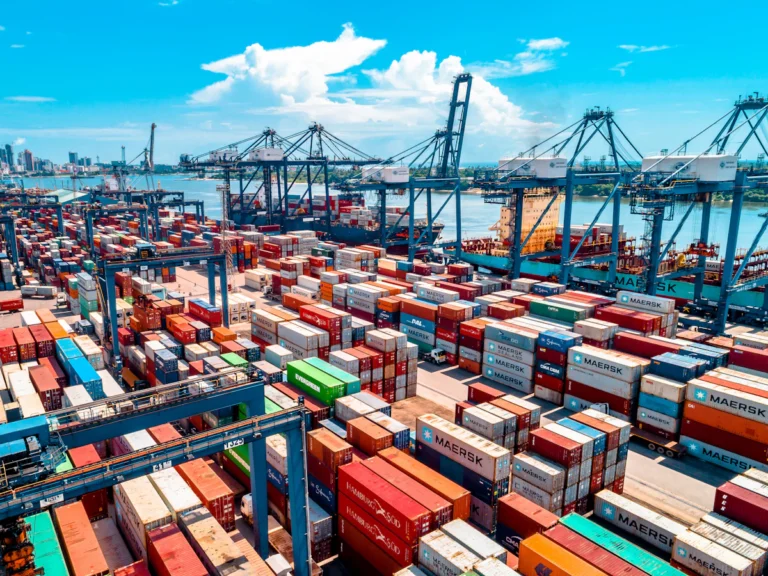
We pack Cameroon cayenne pepper pods in 10–25 kg bags or cartons, or as agreed. Where ground cayenne is agreed, it goes in 25 kg lined paper or polypropylene bags. Each bag carries export marks and a lot number.
Whole dried pods are light and bulky, so a container fills by volume before it reaches its weight limit. Pressed cartons fit more weight into each box. Load weight therefore depends on form, stem and packing, and we state it in each offer.
We keep lots dry and shaded before loading, because strong light fades the red colour. In addition, we line container walls with kraft paper and add desiccants to cut condensation at sea. Fumigation is carried out where your contract or the destination requires it.
Ground cayenne needs extra care. Powder takes up moisture and odours faster than whole pods. So, where it is agreed, we use lined bags, keep it apart from strong-smelling goods and load it last into a dry box.
Mixed loads are possible too. For example, you can combine Cameroon cayenne pepper with dried chili, white pepper or turmeric in one container. We load at Douala or Kribi and quote FOB, CFR or CIF. Our FOB vs CIF guide explains the difference.
Export documents and compliance for Cameroon cayenne pepper
Each load ships with a full set of export papers. These usually include:
- Commercial invoice and packing list.
- Bill of lading.
- Phytosanitary certificate from MINADER plant protection services.
- Certificate of origin.
- Weight and quality certificate from the agreed inspection company.
- Fumigation certificate, where required.
- Lab reports for mycotoxins, residues, dyes or microbes, where agreed.
Rules differ by destination, so we check them at the offer stage. For example, the EU sets maximum residue levels for pesticides. It also limits aflatoxins and ochratoxin A in Capsicum spices, cayenne included. The UK applies similar rules. In addition, the US requires food facility registration and prior notice, which your importer files.
Many buyers also follow cleanliness specs from the American Spice Trade Association or the European Spice Association. Others ask that lots are not treated with ethylene oxide, which the EU does not allow on food. We can write such points into the contract.
Whole pods move under HS 0904.21, while crushed or ground cayenne falls under HS 0904.22. Your customs broker should confirm the tariff line and duty for your country. Ground product can face stricter checks in some markets, so we agree tests early.
Traceability supports all of this. Each bag of Cameroon cayenne pepper carries a lot number, and each lot links to its buying region and test results. So if your authority asks where a shipment came from, you have a clear answer on paper.
How pricing works
We price Cameroon cayenne pepper per 20ft or 40ft container. Every offer is made for a set lot and shipment date. We do not publish a price list, because chili prices move with the market.
India and China are major chili producers, so their crops set the tone for world prices. However, local factors matter as much. Crop size, weather during drying and strong home demand in Cameroon all affect what is free for export.
Seasonal swings are common. When home demand peaks, less Cameroon cayenne pepper is free for export, and offers firm up. Later, as new crop dries, supply eases again. For this reason, we keep offer validity short and confirm stock by sample.
Your spec also shapes the offer. Stemless pods, tight heat and colour ranges, and extra lab tests all raise the value. Ground cayenne adds milling, testing and lined packing, so it is priced on its own terms.
Finally, the Incoterm changes the figure. FOB covers goods to the ship, CFR adds freight, and CIF adds freight and insurance. Payment terms are agreed per contract. Because the CFA franc is pegged to the euro, euro and dollar moves can also shift offers made in US dollars.
How to order Cameroon cayenne pepper from BV Holdings Agro
Our export process has six steps. You can read each one on our export process page.
- 1. Inquiry: you send form, stem, heat range, volume, port and shipment month.
- 2. Offer and sample: we send a written offer and a sample from current stock.
- 3. Contract: both sides sign the spec, price, Incoterm, payment terms, inspection method and shipment window.
- 4. Payment security: you arrange a letter of credit, documentary collection or other agreed terms.
- 5. Preparation and inspection: we prepare, test and inspect the lot.
- 6. Shipment and documents: we load and ship, then release documents per the payment terms.
Most buyers start with one 20ft container of whole pods, or a mixed spice load. New to this origin? Then read our guide on how to import from Cameroon. To speed things up, include your spec sheet with the inquiry. A clear spec for Cameroon cayenne pepper lets us pick the right lot first time, so the offer moves faster to contract.
Why buy from BV Holdings Agro
We keep the process simple, so you deal with one team from inquiry to loading.
- Direct sourcing in Cameroon, so one team in Yaoundé manages your order.
- Pre-loading quality checks, and also independent inspection at your request.
- Whole pods as standard, with heat and colour agreed up front.
- Single-spice ground cayenne discussed on request, never mixed blends.
- Part of BV Holdings PLC, which also runs BV Cocoa Products and BV Metal & Minerals.
FAQ: Cameroon cayenne pepper
Do you sell Cameroon cayenne pepper whole or ground?
Whole dried pods are our core supply and ship under HS 0904.21. Single-spice ground cayenne may be offered on request under HS 0904.22, subject to spec and testing. We do not sell ground spice blends. Tell us your mesh, tests and packing, and we will confirm what we can supply.
Can you grind to a set mesh size?
Where ground cayenne is agreed, the mesh is set in the contract, for example 40 or 60 mesh. Then we check it on a pre-shipment sample. Many buyers still prefer whole pods, because grinding near market keeps colour bright and lets them control steam treatment and microbes.
What is the minimum order?
Our minimum order is one 20ft container. Whole pods can also share one load with dried chili, white pepper or turmeric. Load weight depends on form and packing, so we state it in each offer. We do not sell retail or small parcel quantities, but a mixed load helps smaller importers start with Cameroon cayenne pepper.
How hot is Cameroon cayenne pepper?
Our lots typically test at 30,000–50,000 SHU. That is hotter than paprika but milder than bird’s eye chili. However, heat varies by variety, region and harvest. So we test each lot and offer a range. On request, an independent lab confirms SHU before loading, and the result travels with the shipping papers.
Can you test for aflatoxin and illegal dyes?
Yes, on request. An independent lab can test for aflatoxin, ochratoxin A, pesticide residues, microbes and illegal dyes such as Sudan dyes. We match the tests to your destination rules. The reports then travel with the shipping documents, and you may appoint your own inspection company too.
What is the difference between cayenne and other dried chili?
Cayenne pods are long and slim, with medium heat and strong red colour. Bird’s eye chili is smaller and much hotter. So cayenne suits seasonings, sauces and powders that need balance, while bird’s eye suits very hot sauces and oils. We supply both types from Cameroon.
When is Cameroon cayenne pepper available?
Plants crop for several months, and growing zones span the humid south and the dry North. As a result, supply can run through much of the year. However, volumes and heat change with the season. So we confirm current stock, form and heat range with every inquiry.
Which ports and Incoterms do you offer?
We load at Douala or Kribi. Offers can be FOB at the loading port, or CFR or CIF to your port of discharge. CIF includes minimum cargo insurance. Also, on CFR and CIF terms, our team books freight and shares the shipping schedule with you before loading.
Related commodities
Export markets we quote

One arm of BV Holdings PLC
BV Holdings Agro is the agricultural export company of BV Holdings PLC, alongside BV Cocoa Products and BV Metal & Minerals.
Request a Cameroon cayenne pepper quote
Ready to buy? Then request a quote with your form, heat range and port. We reply with an offer and sample details. Also see our dried chili and white pepper .