Cameroon to Morocco coffee, cocoa and spices for Moroccan makers
Sourcing from Cameroon to Morocco gives roasters, confectioners and spice packers a sub-Saharan origin for coffee, cocoa, sesame and spices. We test each lot and quote to Casablanca, Tanger Med and Agadir.
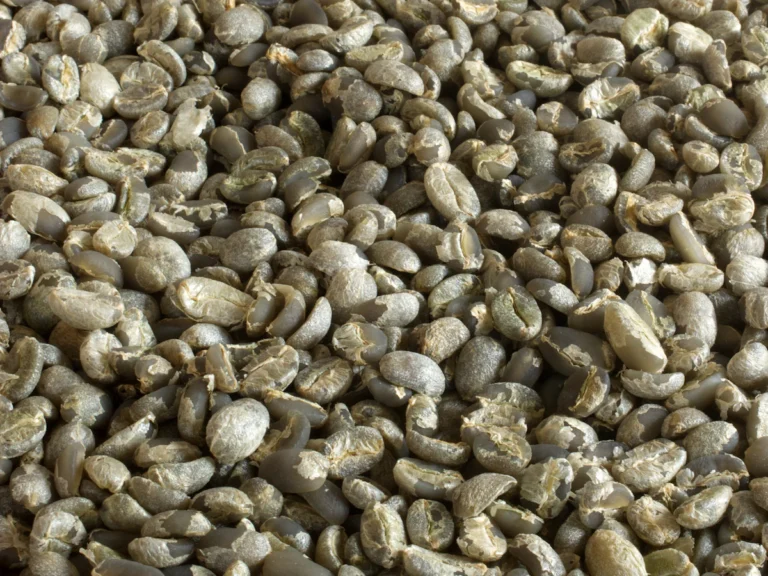
Sourcing farm goods from Cameroon to Morocco gives Moroccan roasters, confectioners and spice packers a sub-Saharan origin for coffee, cocoa, sesame and spices. BV Holdings Agro is a Cameroon export trading house based in Yaoundé. We buy from producer groups in the growing regions, test each lot, and load at Douala or Kribi.
Morocco has a strong food industry. Its biscuit, chocolate and coffee firms supply the home market and export across North Africa. In addition, Moroccan cooking relies on ginger, turmeric and pepper. Cameroon grows all of these, so the fit is natural.
This page explains the Cameroon to Morocco trade step by step. It covers products, AfCFTA status, the sea route, ONSSA import controls, Incoterms, seasons and ordering. For other destinations, see our export markets overview.
Products in demand from Cameroon to Morocco
Moroccan demand centres on coffee, cocoa, sesame and spices. The table lists the lines from our range that best match it. Each link opens the full product page.
| Product | Typical buyer or use in Morocco | HS code |
|---|---|---|
| Green Robusta coffee | Blend roasters and instant coffee makers | 0901.11 |
| Green Arabica coffee | Café and specialty roasters | 0901.11 |
| Cocoa beans | Grinders and chocolate makers | 1801.00 |
| Cocoa butter | Chocolate and cosmetics makers | 1804.00 |
| Cocoa powder | Biscuit, bakery and drinks makers | 1805.00 |
| Sesame seeds | Pastry, bakery and tahini makers | 1207.40 |
| Black pepper | Spice packers and food processors | 0904.11 |
| White pepper | Spice packers and sauce makers | 0904.11 |
| Dried ginger | Spice millers and blend makers | 0910.11 / 0910.12 |
| Dried turmeric | Spice millers and blend makers | 0910.30 |
| Cayenne pepper | Spice packers and harissa-style sauce makers | 0904.21 / 0904.22 |
| Groundnuts | Roasters and snack makers | 1202.41 / 1202.42 |
HS codes are six-digit headings under the WCO Harmonized System. Morocco adds national digits, so your broker confirms the full code. Final specifications are confirmed in each contract and verified before loading.
Coffee and spices lead most Cameroon to Morocco inquiries we expect. See our Cameroon green coffee and Cameroon spices ranges for full detail.
Why buyers add the Cameroon to Morocco route
Most Moroccan importers already buy from Asia, Europe or West Africa. A Cameroon lot adds a second source for the same goods. That protects them when prices spike or freight is tight on their main route.
Cameroon also covers many lines from one country. The forest belt grows cocoa and Robusta. The western highlands grow Arabica. Meanwhile, the North and Far North grow sesame and groundnuts, and the Moungo valley grows pepper. So one supplier can serve a roaster, a biscuit maker and a spice packer.
- Roasters: Robusta for blends, Arabica for cafés.
- Confectioners: cocoa beans, butter and powder.
- Pastry makers: sesame from the North and Far North.
- Spice packers: ginger, turmeric, pepper and cayenne.
Who sends Cameroon to Morocco inquiries? Mostly coffee roasters, biscuit and chocolate makers, spice packers and general food importers. Some buy for their own plants, while others supply wholesalers in the medinas and supermarket chains. Tell us your role, because it changes the grade, packing and lab tests you need.
Language can help too. Cameroon is officially bilingual in French and English, and many Moroccan firms work in French. So French-language specs and trade papers are familiar on both sides of the Cameroon to Morocco route.

Trade relationship and market access: Cameroon to Morocco
Both countries are State Parties to the African Continental Free Trade Area, or AfCFTA. Morocco ratified the agreement in 2022. Both have also completed the AfCFTA tariff schedule process. The AfCFTA Secretariat publishes updates on implementation.
Cameroon took part in the AfCFTA Guided Trade Initiative pilot. In October 2022, its customs issued the first Cameroon AfCFTA certificate of origin. Even so, AfCFTA tariff cuts are phased over many years, and some products are treated as sensitive. So a preferential rate may or may not apply to your product today.
Moroccan customs asks for a certificate of origin on imports. That paper also decides whether any preference applies, so it must match the invoice and bill of lading exactly. We check those details before release.
We cannot promise a duty rate on any Cameroon to Morocco shipment. Instead, ask your customs broker which rate applies to your HS code. If an AfCFTA rate applies, we will supply the matching certificate of origin.
Shipping route from Cameroon to Morocco
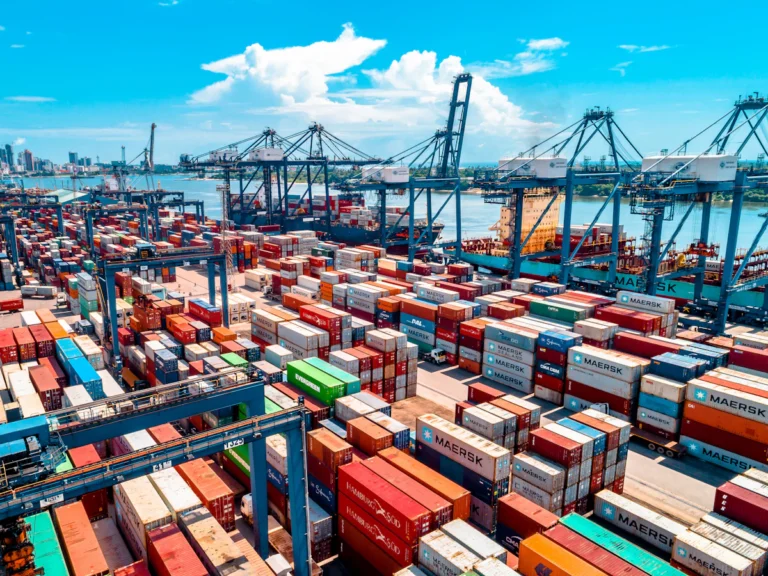
Every Cameroon to Morocco cargo leaves from Douala or Kribi. Douala is Cameroon’s main port and handles more than half of the country’s sea trade. Kribi is the country’s only deep-sea port. We quote from the port that gives the better sailing for your lot.
The main Moroccan arrival ports are Casablanca, Tanger Med and Agadir. Casablanca serves most of the country’s food industry. Tanger Med, on the Strait of Gibraltar, is a large transhipment hub. Many services from West and Central Africa call at a hub on the way. So transit on the Cameroon to Morocco route is typically a few weeks, confirmed at booking.
Containers and cargo care
Bagged coffee, cocoa, sesame, groundnuts and spices travel in 20ft or 40ft dry containers. Heavy cargo usually fills a 20ft box by weight. Lighter cargo, such as some spices, may suit a 40ft box instead. We confirm the expected load in each offer. If you plan to split a container between two lines, such as pepper and ginger, tell us early, so we can plan the stowage and the documents together.
The voyage runs from humid tropics to a drier, cooler climate in winter. Therefore, moisture can condense inside the box. To limit this, we dry each lot to target moisture before packing. Where the contract asks, we also line boxes with kraft paper and add desiccant bags.
Arrival and clearance
Once the ship lands, your clearing agent files the entry and books the ONSSA check. Most avoidable delays come from paper errors. So we send draft documents for your review before the vessel sails. Your agent can then flag a wrong name, weight or code while it is still easy to fix.
ONSSA import controls for Cameroon to Morocco shipments
Morocco’s food safety authority is ONSSA, the Office National de Sécurité Sanitaire des Produits Alimentaires. Its inspectors carry out most sanitary and plant health checks at points of entry. In the main ports, such as Casablanca, Tangier and Agadir, importers deal with a regional ONSSA office.
Phytosanitary certificate
Plants and plant products need a phytosanitary certificate in the standard IPPC format. It must state that the goods are free of quarantine pests. According to a USDA report on Moroccan rules, the certificate should be issued no more than 14 days before loading. So we time the MINADER inspection close to the loading date.
Government-issued certificates
ONSSA generally accepts only certificates issued by government officials. Certificates from exporters, private labs or chambers of commerce are usually not enough on their own. Our phytosanitary certificate comes from MINADER, Cameroon’s plant protection service. In addition, private lab reports can still support your file where the contract asks for them.
Inspection at the port
ONSSA inspectors may clear goods on documents alone. However, they can also order a physical check or lab samples. Customs will not release goods without the ONSSA entry certificate. Clearance is often quick, but lab sampling can add several days. Therefore, build a little slack into your production plan.
Export documents for Cameroon to Morocco
We prepare a full document set for each contract. The list depends on the product and your payment terms. Our export documents and compliance page explains each paper.
- Commercial invoice and packing list
- Bill of lading
- Phytosanitary certificate (MINADER plant protection)
- Certificate of origin, including an AfCFTA certificate where it applies
- Weight and quality certificate from the agreed inspection company
- Fumigation certificate, where required
- ONCC export quality certificate for cocoa and coffee
- Lab reports for aflatoxin, pesticide residue or microbiology, where agreed
Moroccan clearance relies on matching data. So names, weights and lot numbers must agree across every document. Each shipment also needs its own certificates, so we never reuse papers from an earlier lot.
Quality checks for the Cameroon to Morocco trade
Because ONSSA can sample at the port, the lot must meet the spec on arrival. Our process is built for that. You can read the full method on our quality control page.
- Buy in region: we source from producer groups and aggregators.
- Dry and store: lots reach target moisture in covered warehouses, off the ground.
- Sample and test: for example, cut test for cocoa, screen and defects for coffee.
- Clean, sort and pack: goods go into new export-marked bags with a lot number.
- Inspect and load: independent inspection and fumigation where required, then loading.
For processed cocoa, our cocoa division, BV Cocoa Products, covers butter, powder, liquor and nibs. That helps Moroccan confectioners who want beans and processed lines from one group. Cocoa and coffee lots are subject to quality control by Cameroon’s National Cocoa and Coffee Board (ONCC). In addition, you can nominate SGS, Bureau Veritas, Intertek or Cotecna to inspect the lot before loading.
Packaging for Cameroon to Morocco cargo
Packing is fixed in the contract, so you get a format your plant can handle. For the Cameroon to Morocco trade, these are the usual choices:
- Green coffee: 60 kg jute bags.
- Cocoa beans: jute bags of about 62.5 to 65 kg.
- Sesame and groundnuts: 25 or 50 kg PP bags.
- Spices: 25 kg jute or PP bags, with liners where required.
- Cocoa butter and powder: cartons or lined bags, as agreed.
Every bag is new and carries export marks with a lot number. As a result, you can trace any bag back to its test report. Bulk bags are not retail packs, so Moroccan retail labelling applies when you repack. Even so, ask your importer whether any marks must appear on the bags at arrival.
How pricing works on this route
We do not publish prices, because cocoa, coffee and spice markets move every day. Instead, each offer is built for one lot, one port and one shipment window. These are the main drivers:
- World markets: cocoa and coffee follow futures prices, while sesame and spices follow trade demand.
- Grade and spec: larger beans, cleaner seeds and tighter limits cost more to prepare.
- Testing: extra lab reports add a small cost per lot.
- Incoterm: CFR and CIF include freight, and CIF adds insurance.
- Freight: rates to Casablanca and Tanger Med change with fuel and demand.
So the more detail you share, the sharper the offer. For example, tell us your target grade, port and preferred month.
Incoterms for the Cameroon to Morocco route
We quote FOB, CFR and CIF. Each term splits cost and risk differently.
| Incoterm | What we cover | Best for |
|---|---|---|
| FOB Douala or Kribi | Goods loaded on your vessel | Importers with their own freight deals |
| CFR Casablanca, Tanger Med or Agadir | Sea freight to the Moroccan port | Buyers who insure under their own policy |
| CIF Casablanca, Tanger Med or Agadir | Freight plus minimum cargo insurance | Buyers who want one landed-port price |
Large Moroccan groups may hold freight deals from West Africa, so FOB can suit them. However, many mid-sized firms prefer CFR Casablanca, because it gives one clear price. Note that CIF cover is minimum insurance. Our FOB vs CIF guide explains the trade-offs.
When to buy: Cameroon to Morocco seasons
Demand for sweets, coffee and spices rises before Ramadan. So plan your Cameroon to Morocco orders to land well before that peak, starting from the crop calendar.
| Product | Main harvest window |
|---|---|
| Green Robusta coffee | Nov–Feb |
| Green Arabica coffee | Oct–Jan |
| Cocoa beans | Main crop Sept–Feb; mid-crop May–Aug |
| Sesame seeds | Oct–Dec |
| Black and white pepper | Nov–Mar |
| Ginger | Dec–Mar |
Rainfall shifts these windows a little each year. Our Cameroon harvest calendar gives the full picture, and we confirm availability in every offer.
How to order from Cameroon to Morocco
Ordering takes four steps. Our export process page sets out the full detail, including payment security.
- Inquiry: send the product, grade, volume, Moroccan port and preferred Incoterm.
- Offer and sample: we reply with a written offer and, where possible, a sample.
- Agreement: we sign a contract covering spec, price, Incoterm, payment terms, inspection and shipment window.
- Shipment: we prepare, inspect and load, then release documents under the payment terms.
Orders start from one 20ft container. Payment terms, such as a letter of credit or documentary collection, are agreed per contract. Also, send your ONSSA document checklist with your inquiry, so we can match it from the start.
Why buy from BV Holdings Agro
- One supplier for coffee, cocoa, sesame, groundnuts and spices.
- Typical specifications in every offer, verified before loading.
- Government-issued phytosanitary certificates through MINADER.
- FOB, CFR or CIF quotes to Casablanca, Tanger Med and Agadir.
- Part of BV Holdings PLC, with a sister cocoa division at BV Cocoa Products.
Sourcing for other markets too? See our pages on shipping from Cameroon to Nigeria and Cameroon to France.
Cameroon to Morocco FAQ
What can I import from Cameroon to Morocco?
We supply green Robusta and Arabica coffee, cocoa beans, cocoa butter, cocoa powder, sesame seeds, black and white pepper, ginger, turmeric, cayenne pepper and groundnuts. These lines suit Moroccan roasters, confectioners, pastry makers and spice packers. Each product has its own page with a typical specification, and the final spec is fixed in each contract.
Does AfCFTA cut duty from Cameroon to Morocco?
It may, depending on the product. Both countries are AfCFTA State Parties and have completed the tariff schedule process. However, tariff cuts are phased, and some lines are sensitive or excluded. So ask your broker whether an AfCFTA rate applies to your HS code, and we will supply the matching certificate of origin.
Which authority checks food imports in Morocco?
ONSSA, Morocco’s national food safety office, checks food and plant products at the border. Its inspectors can clear goods on documents, order a physical check or take lab samples. Customs releases the goods only after ONSSA issues its entry certificate. Your clearing agent manages this step.
How recent must the phytosanitary certificate be?
A USDA report on Moroccan rules says the certificate should be issued no more than 14 days before loading. It must follow the standard IPPC format. Therefore, we time the MINADER inspection close to loading. Please confirm current rules with your importer, because ONSSA practice can change.
Which Moroccan ports do you quote?
We quote CFR or CIF to Casablanca, Tanger Med and Agadir. Other ports can be quoted on request. Most services call at a transhipment hub, so the carrier confirms the route and timing at booking. We then share the sailing details with you before loading.
How long does shipping from Cameroon to Morocco take?
Transit is typically a few weeks. It depends on the carrier, the hub and the season. We do not promise exact day counts, because schedules change. Instead, we confirm the expected sailing and arrival dates at booking and keep you updated.
Can offers and contracts be in French?
Cameroon is officially bilingual in French and English, and French is widely used in Moroccan business. As a result, French-language trade papers are common on both sides. Tell us your preferred language in your first message. We will then confirm which documents we can prepare in French and which stay in English.
What is the minimum order from Cameroon to Morocco?
Orders start from one 20ft container for every product. The tonnage depends on the product and packing. For example, bagged coffee or sesame fills a 20ft by weight. We confirm the expected load for your lot in each offer.
Other Africa markets

One arm of BV Holdings PLC
BV Holdings Agro is the agricultural export company of BV Holdings PLC, alongside BV Cocoa Products and BV Metal & Minerals.
Source from Cameroon for Morocco
Send us the product, grade, volume and Moroccan port, and we will reply with a clear written offer.