Cameroon Red Kidney Beans exported to your specification
BV Holdings Agro exports Cameroon red kidney beans, dark red and light red, from the West, North-West and Adamawa highlands. Every lot is machine-cleaned, hand-sorted and fumigated before loading.

BV Holdings Agro exports Cameroon red kidney beans to importers, wholesalers, packers and canners. Our beans come from the highlands of the West, North-West and Adamawa regions. We buy from producer groups and aggregators, then machine-clean, hand-sort, test and bag each lot before it ships from Douala or Kribi.
Beans are a daily food in Cameroon, eaten with plantain, rice, maize or cassava. So farmers in the highlands know the crop well. Cool nights, rich volcanic soils and two rainy seasons give them two harvests a year. As a result, Cameroon red kidney beans can ship at more than one point in the year.
This page covers where Cameroon red kidney beans grow, the typical specification and the main types. It also explains our sorting and checks, packing, documents, pricing and ordering. As a result, you can send a precise inquiry and get a clear offer back.
Where Cameroon red kidney beans are grown
Most of our beans come from the western highlands and the Adamawa plateau. These areas sit well above sea level, so the climate is cooler than on the coast. Beans like that climate, because heat at flowering lowers yields.
The West and North-West highlands
The West and North-West regions have deep volcanic soils and good rains. Farmers here grow beans on small plots, often next to maize, potatoes or vegetables. Bean and maize intercropping is common, so one field gives two crops. As a result, these highlands supply a large share of the beans sold in Cameroon’s cities.
The Adamawa plateau
The Adamawa plateau lies further north and inland. It has one longer rainy season and wide open land. Bean farms here tend to be larger, and they add volume when the western harvest is light. So sourcing Cameroon red kidney beans from both zones spreads the risk of a poor season in one area.
Two seasons a year
In the highlands, the rains come in two seasons. Therefore there are two bean harvests, at about June to August and again at about October to December. Each harvest then needs time for drying, cleaning and sorting. Our Cameroon harvest calendar shows both windows next to other crops.
Post-harvest handling
Farmers pull the plants when the pods turn dry and brown. Then they dry them further in the sun and thresh out the beans. Damp beans can grow mould, while rough threshing splits them. For this reason, we buy beans close to target moisture and check them for splits and stains. Next, we store them off the ground in covered warehouses, away from damp and storage pests.
Typical specification of Cameroon red kidney beans
The table shows typical values for machine-cleaned and hand-sorted Cameroon red kidney beans. Each offer confirms the limits for that lot.
| Parameter | Typical value |
|---|---|
| Product | Red kidney beans (Phaseolus vulgaris), dried |
| HS code | 0713.33 |
| Origin | West, North-West, Adamawa highlands |
| Types | Dark red, light red |
| Size | Medium to large |
| Moisture | 15% max. |
| Admixture | 1% max. |
| Broken and split beans | 2% max. |
| Off-colour beans | 2% max. |
| Live insects | Nil |
| Processing | Machine-cleaned and hand-sorted |
| Treatment | Fumigated before loading |
| Crop | Latest season |
Final specifications are confirmed in each contract and verified before loading.

Types and how to choose
Most buyers choose by colour first. Here are the two types we offer, subject to stock.
- Dark red kidney beans: deep red to maroon skin with a firm texture. They hold their shape and colour well in cans, chilli dishes and stews.
- Light red kidney beans: a lighter, pinkish-red skin with a slightly softer texture. They suit dried bean packs, home cooking and some canned products.
Next, think about size. Medium to large, even beans look better in retail packs and cook more evenly. Canners, meanwhile, often set a size range, since mixed sizes cook at different speeds.
Then agree the sorting level. Machine cleaning removes dust, stones and light seeds. Hand-sorting then picks out split, stained and off-colour beans. So the final grade depends on how much sorting you need.
Finally, start with a sample if you are new to this origin. Your lab or kitchen can then test colour, size, soaking and cooking. After that, many buyers run a trial with one container before they book a larger volume of Cameroon red kidney beans.
Sorting, quality control and testing
Our checks follow five steps, as our quality and sourcing page explains. First, we buy in the region. Second, we dry and store the beans. Third, we sample and test each lot against the contract. Fourth, we clean, sort and pack it. Finally, inspection, fumigation and loading take place at the port.
What we check
- Moisture: measured with a calibrated meter. Beans at 15% or less store and ship safely.
- Admixture: stones, soil, pod pieces, straw and other seeds, removed and weighed.
- Broken and split beans: counted on a weighed sample.
- Off-colour beans: beans of other colours or types, picked out by hand.
- Insect damage: beans with holes from bean weevils, a common storage pest.
- Stains and mould: checked visually, because stains suggest damp in the field or in store.
- Size: checked by a bean count per 100 grams, or by sieve, where the contract asks for it.
Why hand-sorting matters
Machines remove most dust, stones and light seeds. However, they cannot always spot a stained bean or a bean of the wrong shade. Trained sorters do that by eye. As a result, hand-sorted Cameroon red kidney beans look even in a clear retail pack, which is what packers want.
How samples are drawn
Samples are taken from many bags across the lot with a probe. The small samples are mixed and then split into equal parts. One part goes to testing, one is kept as a reference, and one can go to you. In addition, you can nominate an inspection company, such as SGS, Bureau Veritas, Intertek or Cotecna, to sample the lot before loading.
Uses and buyers of Cameroon red kidney beans
Red kidney beans are a staple pulse in many cuisines. They give protein, fibre and minerals at a modest cost. So demand comes from both food makers and everyday shoppers.
- Importers and wholesalers: dried beans for food markets and shops.
- Retail packers: sorted beans repacked into consumer bags.
- Canners: beans in brine, chilli and ready meals.
- Food service: beans for canteens, hotels and caterers.
- Food manufacturers: soups, ready meals, salads and bean flour.
Each buyer reads the specification in a different way. For example, retail packers care most about colour and size. Canners, meanwhile, look at soaking, cooking time and splits after cooking. So tell us your end use, and we will match Cameroon red kidney beans to it.
Canning and cooking quality
Canners and food makers test beans in the kitchen, not only in the lab. They soak a sample, cook it and then check for splits, skin damage and colour loss. Fresh-crop beans usually soak faster and cook more evenly. For this reason, we can send a sample of Cameroon red kidney beans early. Your team can then run these tests before you set the contract limits. Then later lots can be matched to your results.
Like all kidney beans, they must be soaked and boiled well before eating. Proper boiling destroys a natural lectin found in raw beans. The FAO also promotes pulses as a low-cost source of protein for healthy diets.
Packaging, loading and container capacity
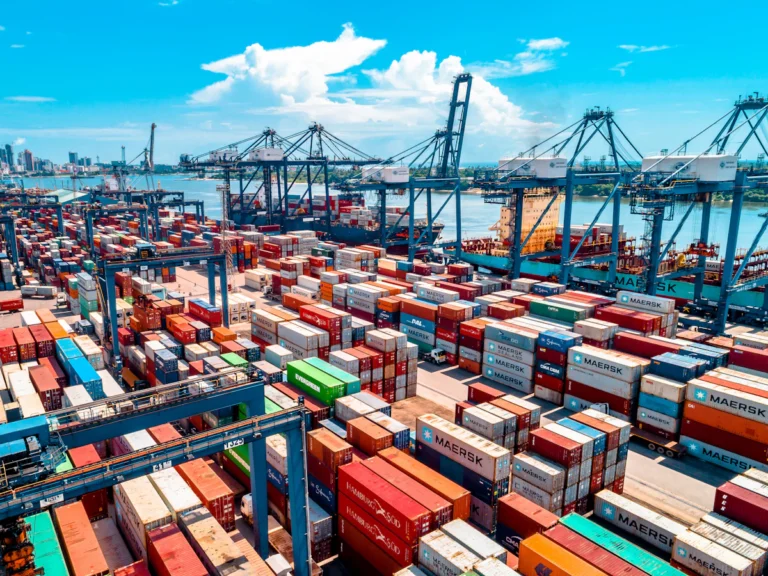
We pack Cameroon red kidney beans in new 25 kg or 50 kg polypropylene bags. Each bag carries export marks and a lot number, so every bag traces back to its lot. Custom marks for your brand are possible by agreement.
Which bag size fits best? Smaller 25 kg bags suit wholesalers who sell to shops and markets. Larger 50 kg bags, by contrast, suit packers and canners. Both sizes of Cameroon red kidney beans load about the same weight per container.
Container loads
- 20ft container: about 24 MT, or about 480 bags of 50 kg or 960 bags of 25 kg.
- 40ft container: payload and road limits cap the weight, so a 40ft often carries only a little more. We confirm the load per booking.
- Minimum order: one 20ft container.
Beans are fumigated before loading by a licensed operator, because storage pests can hatch on a long voyage. Before loading, we also check that each container is clean, dry and free of odour and holes. Then we may line the walls with kraft paper and add moisture absorbers.
Beans from the West and North-West reach Douala by a fairly short road route. Beans from Adamawa, by contrast, travel further. Either way, we plan inland transport early, so the lot reaches port in time for the vessel.
Storage after arrival
First, place the bags on pallets, away from walls. Then keep the store dry, cool and well aired. Also check the beans every few weeks for insects and damp. Beans also harden with age and take longer to cook. So use older stock first, and keep fresh Cameroon red kidney beans for buyers who need short cooking times.
Export documents and compliance for Cameroon red kidney beans
Every shipment travels with a full set of export documents. Our export process page shows when each one is issued.
- Commercial invoice and packing list.
- Bill of lading.
- Phytosanitary certificate, issued by the MINADER plant protection service.
- Certificate of origin.
- Weight and quality certificate from the agreed inspection company.
- Fumigation certificate.
- Lab reports, such as pesticide residue tests, where agreed.
Rules differ by destination. For example, EU buyers must meet EU limits for pesticide residues (MRLs) and plant health rules. Other markets ask for import permits or extra checks for storage pests. So tell us your country early, and we will plan the right tests and documents for your Cameroon red kidney beans.
Dried kidney beans fall under HS 0713.33 in the WCO Harmonized System. Like many countries, Cameroon can adjust export rules for staple foods. Therefore we confirm current rules with each offer.
Some buyers also ask for a statement on storage treatments. Where we can document it, we include it. However, we never make a claim that a lab report or official document cannot support.
How pricing works for Cameroon red kidney beans
We do not publish fixed prices, because bean prices move with each harvest. Instead, each offer reflects the lot, the date and your terms. These are the main drivers.
- Harvest size: good rains mean more beans, while a poor season tightens supply.
- Local demand: beans are a staple in Cameroon, so local markets compete for the same crop.
- Type and size: dark red, large and even beans usually earn more.
- Sorting level: tighter limits for splits and off-colour beans need more hand-sorting.
- Incoterm: FOB covers the goods loaded at port, while CFR and CIF add sea freight, and CIF also adds insurance.
- Inspection and fumigation: these costs are priced into the offer.
Many buyers compare origins on landed cost, not only on price per tonne. A nearby origin can save freight time and storage. So for buyers in Central Africa and nearby markets, Cameroon red kidney beans can compete well on total cost.
Timing also matters. Prices are often lower just after each harvest and firmer before the next. Because there are two harvests a year, buyers can plan around both. Offers for Cameroon red kidney beans usually hold for a short time. For a plain guide to terms, read FOB vs CIF.
How to order from BV Holdings Agro
Ordering follows four clear steps. Moreover, one team in Yaoundé handles your order from start to finish.
- Inquiry: you send the type, size, volume, destination port, Incoterm and shipment window.
- Offer and sample: we send a written offer and, where possible, a sample from the lot.
- Agreement: we both sign a contract that covers the spec, price, Incoterm, payment terms, inspection and timing.
- Shipment: we prepare, inspect, fumigate and load the lot, then release documents per the payment terms.
A good inquiry for Cameroon red kidney beans answers six points: type, size, tonnage, port, Incoterm and timing. With those facts, we can check stock and send an offer fast. Payment security is then agreed in the contract, for example a letter of credit or documentary collection. Our guide on how to import from Cameroon explains each step.
Why buy from BV Holdings Agro
- Part of BV Holdings PLC, so you deal with a group team in Yaoundé.
- Two harvests a year from the highlands, which helps with planning.
- Machine-cleaned and hand-sorted beans, checked before loading.
- Fumigation before loading on every lot of Cameroon red kidney beans.
- Independent inspection by your chosen company, if you ask for it.
- One offer can combine beans with rice, white maize or other staples.
FAQ: Cameroon red kidney beans
Do you supply dark red and light red Cameroon red kidney beans?
Yes, both types grow in the West, North-West and Adamawa highlands. However, the share of each type depends on the season and the area. So we confirm the type, size and stock in each offer. A sample from the lot then shows you the beans before you sign.
When are Cameroon red kidney beans harvested?
The highlands have two harvests a year, at about June to August and again at about October to December. Beans then need drying, cleaning and hand-sorting before export. Therefore the first export lots follow a few weeks after each harvest. We confirm the shipment window in each offer.
How are the beans cleaned and sorted?
First, machines remove dust, stones, pod pieces and light seeds. Then trained sorters pick out split, stained and off-colour beans by hand. Typical limits are 1% admixture, 2% broken or split and 2% off-colour. The inspector can verify these limits before the container is sealed.
What size are Cameroon red kidney beans?
Our beans are medium to large, with typical lots in an even size range. Size can vary a little between seasons and areas. If you need a set range, state it in your inquiry. We can then check the bean count per 100 grams, or sieve the lot, before loading.
Are Cameroon red kidney beans fumigated?
Yes. Beans are fumigated before loading by a licensed operator, because bean weevils can hatch during a long voyage. A fumigation certificate travels with the documents. In addition, we check each container for cleanliness and damp before loading, so the beans arrive dry and sound.
How much fits in a 20ft container?
A 20ft container usually takes about 24 MT, or about 480 bags of 50 kg. A 40ft container is limited by payload and road weight rules. As a result, it often carries only a little more. We confirm the exact load per booking, because shipping lines and routes differ.
Which ports and Incoterms do you offer?
We load at Douala or Kribi. We quote FOB at the Cameroon port, or CFR and CIF to your destination port. With CIF, we also arrange minimum cargo insurance. Tell us your port and preferred term, so the offer includes the right freight and insurance from the start.
Can I order Cameroon red kidney beans with other products?
Yes. Many buyers combine beans with rice, maize or other staples across containers. Each container then carries one product with its own lot number and documents. As a result, the inspector can check each lot against its own specification before loading, and you can track quality by container.
Related commodities

One arm of BV Holdings PLC
BV Holdings Agro is the agricultural export company of BV Holdings PLC, alongside BV Cocoa Products and BV Metal & Minerals.
Request a Cameroon red kidney beans quote
Ready to buy? Send us your type, size, volume and port terms, so we can prepare an offer and sample. Request a quote for Cameroon red kidney beans today. You can also browse all cereals and pulses .