Cameroon to China commodities for Chinese importers
BV Holdings Agro supplies container loads from Cameroon to China, from sesame and cocoa to cotton lint and natural rubber. We load at Douala or Kribi and quote CFR or CIF to Qingdao, Shanghai and other Chinese ports.
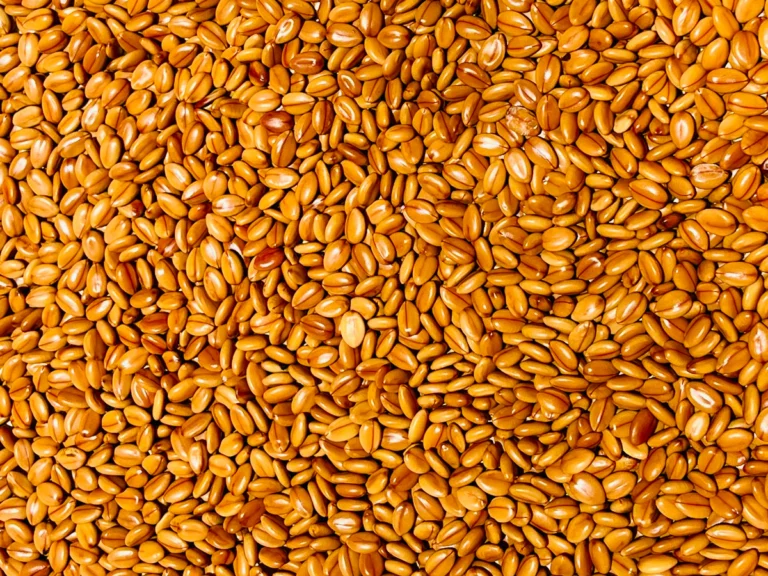
BV Holdings Agro supplies container loads of farm commodities from Cameroon to China for importers, processors and trading houses. Chinese buyers most often ask us about sesame seeds, cocoa, green coffee, cotton lint and natural rubber. We load at Douala or Kribi and quote FOB, CFR or CIF to the main Chinese ports.
China matters more to Cameroon exporters than ever. Since 1 May 2026, Cameroon has been one of the African countries covered by China’s zero-tariff treatment, subject to origin rules. At the same time, China’s food import rules are strict and specific. So a good Cameroon to China deal starts with the right product, the right HS code and the right papers.
This page explains what we can source for Chinese buyers, how the trade rules work, how cargo moves and what your importer will need. It also shows when each crop is easiest to buy and how to place an order with us.
What Chinese buyers source from Cameroon
Most Cameroon to China demand falls into three groups. First, food and oil processors want oil seeds and cocoa. Next, coffee roasters and instant-coffee makers want green beans. Finally, mills and factories want industrial raw materials such as cotton lint and natural rubber.
Cameroon suits these buyers for simple reasons. It grows a wide range of crops in one country, from forest cocoa in the south to sesame and cotton in the dry north. It also has two export ports, so lots from different regions can be consolidated in one place. As a result, one supplier can cover several product lines for a Chinese trading house.
We only offer products from our own list. Each one has a product page with a typical specification, packing details and FAQ. You can also browse by category, such as oil seeds, cocoa products or industrial raw materials.
Products in demand for the Cameroon to China trade
The table below lists the products we most often quote from Cameroon to China. Buyer types are typical, not a list of our clients. HS codes are given at six digits; your importer confirms the full Chinese tariff code.
| Product | Typical buyer or use in China | HS code |
|---|---|---|
| Cameroon sesame seeds | Oil pressers, sesame paste and roasted-seed makers, food traders | 1207.40 |
| Cameroon cocoa beans | Cocoa grinders and chocolate makers | 1801.00 |
| Cocoa butter | Chocolate, confectionery and cosmetics makers | 1804.00 |
| Cocoa powder | Bakeries, beverage and dairy brands | 1805.00 |
| Green Robusta coffee | Instant-coffee plants and blend roasters | 0901.11 |
| Green Arabica coffee | Café chains and specialty roasters | 0901.11 |
| Cotton lint | Spinning mills and cotton merchants | 5201.00 |
| Natural rubber (TSR 10 / TSR 20) | Tyre plants and rubber goods makers | 4001.22 |
| Groundnuts (peanuts) | Snack makers and oil mills | 1202.42 |
| Dried chili | Sauce, hotpot base and seasoning makers | 0904.21 |
In short, sesame and cocoa lead most first inquiries. However, cotton and rubber suit buyers who need steady monthly loads. Dried chili is a smaller line, but it fits China’s large sauce and seasoning industry.

Quality points Chinese buyers check on Cameroon to China lots
Chinese processors usually test cargo again on arrival. So it pays to agree the key numbers before loading. Here is what buyers on the Cameroon to China route most often ask us to fix in the contract:
- Sesame seeds: purity, admixture, moisture and free fatty acid. Oil pressers also ask for oil content, which we can test on request.
- Cocoa beans: bean count per 100 g, moisture and the cut test for mould, slate and insect damage.
- Green coffee: screen size, defect count and moisture. Every lot also carries an ONCC export quality certificate.
- Cotton lint: HVI data such as staple length, micronaire and strength, plus trash and colour grade.
- Natural rubber: lab results for dirt, ash, volatile matter and plasticity, which decide TSR 10 or TSR 20.
- Groundnuts and chili: aflatoxin, moisture and foreign matter, tested against your stated limits.
We test every lot for moisture and foreign matter as standard. Then we add the product-specific tests agreed in the contract. Final specifications are confirmed in each contract and verified before loading. In addition, an independent inspector can draw and seal samples at our warehouse, so your lab in China can compare results with the loading report.
One practical tip helps a lot. Send us your Chinese customer’s own specification sheet early, even if it is in Chinese. We will then match each line of the Cameroon to China offer to it, so nobody argues about units or methods later.
Cameroon to China trade relationship and market access
Two big changes shape the Cameroon to China route in 2026. One is a tariff cut. The other is a new set of food registration rules. Both apply to your importer, so it helps to understand them before you ask for an offer.
Zero-tariff treatment for Cameroon-origin goods
China announced that it would extend zero-tariff treatment to all 53 African countries with which it has diplomatic ties. According to China’s foreign ministry, the measure covers 100 percent of tariff lines and took effect on 1 May 2026. Cameroon is on the list. The published implementation period runs from 1 May 2026 to 30 April 2028.
There are conditions, though. Goods must meet China’s origin rules, and your importer must keep the right proof of origin. Some cereal and cotton lines only get zero duty within a quota. A small number of codes are excluded, including some in the rubber chapter. Therefore, check your exact HS code with your customs broker before you count on a duty saving. You can read the ministry’s statement on the Chinese foreign ministry website.
GACC registration of overseas food producers
The General Administration of Customs of China (GACC) registers overseas food producers. Decree No. 280 took effect on 1 June 2026 and replaced Decree No. 248. Registration runs through GACC’s online CIFER system, and most registrations now renew automatically every five years.
Under the new rules, 17 food categories need a recommendation from the exporting country’s competent authority. These include edible oils and fats, edible grains, and nuts and seeds. Meanwhile, unroasted coffee and cocoa beans no longer appear as standalone categories. Even so, rules for primary farm products still apply. For this reason, your importer should confirm the current position for each product with GACC or a licensed customs broker. The GACC English website publishes the official notices.
Plant health access
China also controls which plant products it accepts from each origin. For some goods, such as grains, oil seeds and fresh produce, an origin needs approved plant health access before trade can start. So ask your importer to confirm that the product is cleared for Cameroon origin. We will not load a product that your importer cannot clear.
Shipping from Cameroon to China: ports, containers and transit
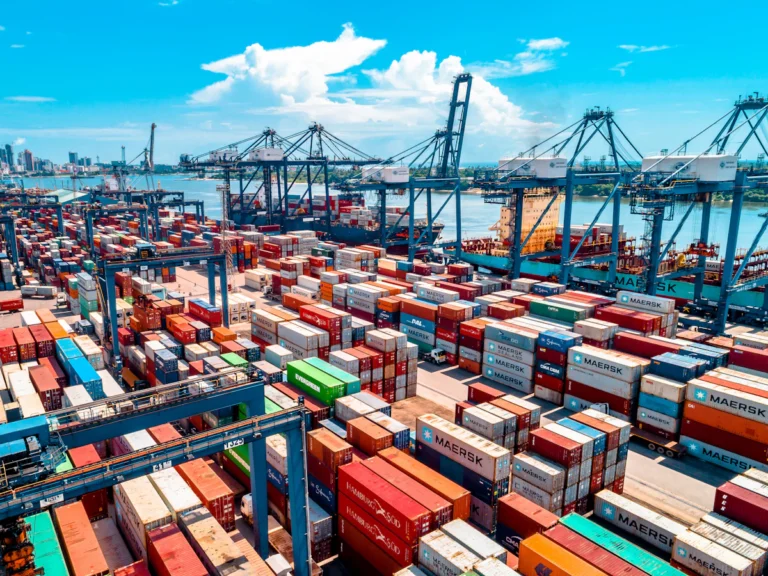
We load at Douala, Cameroon’s main commercial port, or at Kribi, the deep-sea port on the south coast. Most sailings from Cameroon to China tranship at a hub port on the way. Your freight forwarder or our booking agent confirms the exact routing.
We can quote CFR or CIF to the main Chinese container ports, including:
- Qingdao: a common port for oil seeds, groundnuts and rubber in northern China.
- Shanghai and Ningbo: large hubs serving the Yangtze River Delta’s food and textile plants.
- Tianjin: the main gateway for Beijing and the north.
- Guangzhou (Nansha), Shenzhen and Xiamen: for buyers in the south and south-east.
Transit on the Cameroon to China route is typically a few weeks, confirmed at booking. It depends on the carrier, the transhipment hub and the season.
Container choice depends on the product. Sesame, groundnuts, coffee and cocoa usually travel in clean, dry 20ft containers. Cocoa beans often use a container liner or lining paper to manage condensation. Cotton bales are light for their size, so most cotton buyers choose 40ft containers. Rubber bales are dense, so rubber usually ships in 20ft units. Each product page lists approximate tonnes per container.
Import requirements and documents in China
Every Cameroon to China shipment needs a clean, consistent set of papers. Chinese customs checks documents closely, and small differences between the invoice, packing list and bill of lading can delay clearance. So we agree the exact wording in the contract.
| Document | Issued by | Why China needs it |
|---|---|---|
| Commercial invoice and packing list | BV Holdings Agro | Customs value, quantities and marks |
| Bill of lading | Shipping line | Title to the goods and release at port |
| Phytosanitary certificate | MINADER plant protection service | Plant health checks by Chinese customs |
| Certificate of origin | Authorised Cameroon body | Proof of origin for tariff treatment |
| Weight and quality certificate | Agreed inspection company | Matching the lot to the contract |
| ONCC export quality certificate | Cameroon’s National Cocoa and Coffee Board | Required for cocoa and coffee exports |
| Fumigation certificate and lab reports | Licensed provider / agreed laboratory | Where the importer or rules require them |
Food safety limits matter too. China sets national standards for pesticide residues (GB 2763) and for mycotoxins such as aflatoxin (GB 2761). For example, groundnuts and grains are often tested for aflatoxin before loading. We can arrange lab reports against your stated limits where agreed. However, we describe requirements here; we do not claim that any lot is pre-approved by Chinese authorities.
Your importer handles the Chinese end of the Cameroon to China shipment. That usually includes the importer’s own customs filing, the GACC registration number where one applies, and inspection at the port of entry. For a full list of what we provide, see our export documents page.
Incoterms for buyers in China: FOB, CFR or CIF
We quote three Incoterms on the Cameroon to China route. Each one shifts cost and risk at a different point, so the best choice depends on your own freight set-up.
- FOB Douala or Kribi: best if you or your forwarder already have freight contracts from West Africa to China. You book the ship; we deliver the goods on board.
- CFR Chinese port: we book freight to Qingdao, Shanghai or your chosen port. You insure the cargo, often with a Chinese insurer. Many importers on the Cameroon to China route like this, because it keeps insurance in their own hands.
- CIF Chinese port: we add minimum cargo insurance. This can help when a bank asks for an insurance document under a letter of credit.
Payment security is agreed in the contract, for example a letter of credit or documentary collection. If you are new to these terms, read our FOB vs CIF guide. The International Chamber of Commerce publishes the official Incoterms definitions.
When to buy: seasons for Cameroon to China cargo
Timing can make or break an offer. Cameroon has a dry north and a humid south, so each crop has its own window. Our Cameroon harvest calendar shows every product by month. Here are the main points for Chinese buyers:
- Sesame: harvested in the north from about October to December. Export lots are usually easiest from November to March.
- Cocoa beans: main crop from about September to February, with a smaller mid-crop from May to August.
- Robusta and Arabica: Robusta lots are easiest from about January to May; Arabica from December to April.
- Cotton lint: picking runs from October to January, and ginned lint ships mainly from January to June.
- Natural rubber and dried chili: available through much of the year, with seasonal dips.
So plan Cameroon to China sesame and cocoa contracts early in the crop. Meanwhile, rubber and chili suit a steady monthly programme.
How to order from Cameroon to China with BV Holdings Agro
Ordering from Cameroon to China with us follows four clear steps. Our export process page explains each one in more detail.
- Inquiry: send the product, grade, volume, Chinese port, Incoterm and any lab limits. Mention whether your importer has the GACC registration it needs.
- Offer and sample: we reply with a written offer and, where possible, a representative sample for your own lab.
- Agreement: we sign a contract with the specification, price, Incoterm, payment terms, inspection method and shipment window.
- Shipment: we prepare, inspect and load the lot, then release documents under the agreed payment terms.
Quality checks run through every stage. Our quality and sourcing page shows the five checkpoints from producing region to port. You can also nominate an inspection company such as SGS, Bureau Veritas, Intertek or Cotecna.
Why source from Cameroon to China with BV Holdings Agro
- One trading house, many lines: cocoa, coffee, sesame, cotton, rubber and spices from one supplier.
- Two loading ports: Douala and Kribi give flexibility on sailings to Asia.
- Tested before loading: moisture and foreign matter on every lot, plus product-specific tests.
- Clear papers: document wording agreed in the contract to suit Chinese customs.
- Honest offers: we do not claim certifications we cannot document.
BV Holdings Agro is part of BV Holdings PLC. Our cocoa division, BV Cocoa Products, handles processed cocoa such as butter, powder and liquor.
Buying for more than one Asian market? See our pages on shipping to Vietnam and shipping to Malaysia, or return to all export markets.
Cameroon to China FAQ
What can I import from Cameroon to China?
We quote sesame seeds, cocoa beans, cocoa butter, cocoa powder, green Robusta and Arabica coffee, cotton lint, natural rubber, groundnuts and dried chili. Other products on our list can also be offered. Each product has a typical specification, and the final specification is confirmed in each contract and verified before loading.
Do Cameroon to China shipments pay import duty?
Since 1 May 2026, Cameroon-origin goods can qualify for China’s zero-tariff treatment for African countries. However, origin rules apply, some lines are only duty-free within a quota, and some codes are excluded. So ask your customs broker to check your exact HS code and the proof of origin needed.
Does my importer need GACC registration?
It depends on the product. Under Decree No. 280, 17 food categories, including edible oils, grains, and nuts and seeds, need a competent-authority recommendation for the overseas producer. Other products follow different routes. Your importer or customs broker should confirm the current GACC position before you sign a contract.
Which Chinese ports do you quote?
We quote CFR or CIF to the main container ports, such as Qingdao, Shanghai, Ningbo, Tianjin, Guangzhou (Nansha), Shenzhen and Xiamen. Other ports can be quoted on request. Most sailings tranship at a hub, so the shipping line confirms the routing and transit time at booking.
How long does shipping from Cameroon to China take?
Transit is typically a few weeks, confirmed at booking. The time depends on the carrier, the transhipment port and the season. In addition, allow time for inland transport to Douala or Kribi, inspection and loading. We give a shipment window in the contract, so you can plan arrival and clearance.
What is the minimum order?
Our minimum order is one 20ft container. Larger orders can ship over several containers or as a monthly programme. For light cargo such as cotton lint, a 40ft container usually gives better freight value. We price every offer per container load, and we confirm the approximate tonnes per container in the offer.
Can I send my own inspector?
Yes. You can nominate an independent inspection company, such as SGS, Bureau Veritas, Intertek or Cotecna, to check weight and quality before loading. We agree the inspection method in the contract. As a result, the inspector’s certificate becomes part of the document set your importer presents in China.
Are your products certified organic or Fairtrade?
No. We do not claim organic, Fairtrade or Rainforest Alliance certification. Instead, we describe quality through a typical specification, test results and independent inspection. If your Chinese customer needs a certified supply chain, tell us early, and we will be clear about what we can and cannot provide.
Other Asia markets

One arm of BV Holdings PLC
BV Holdings Agro is the agricultural export company of BV Holdings PLC, alongside BV Cocoa Products and BV Metal & Minerals.
Plan your Cameroon to China shipment
Tell us the product, grade, volume and Chinese port, and we will reply with a written offer.